
Why Certain Songs Make Your Body Exhale**
🧠 What Is the Vagus Nerve?
It’s the longest calming nerve in your body — the “rest and restore” superhighway connecting:
- your brain
- your heart
- your lungs
- your gut
- your emotional centres
When it fires, your whole system shifts from:
🔥 fight/flight
to
🌿 calm safety mode
This is why healing the vagus nerve transforms anxiety, trauma, and emotional sensitivity.
And guess what activates it beautifully?
Music.
🎶 1. Music Literally Regulates Your Heart & Breath
Slow, rhythmic music (especially with warm vocals or long sustained notes) syncs with your heart rate through something called cardiac entrainment.
Your heart begins to follow the rhythm.
Lower rhythm = lower stress response.
Music is basically whispering:
“Shhh… you’re safe now.”
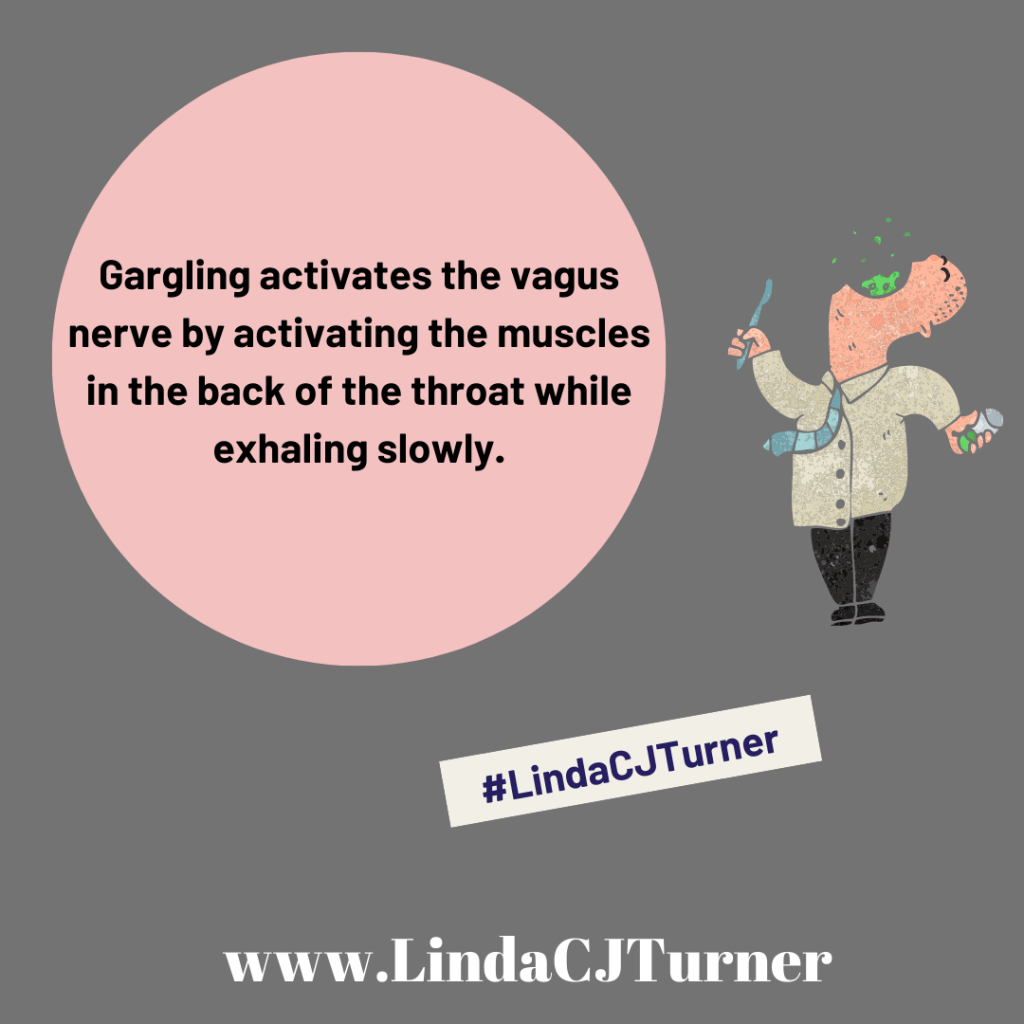
💛 2. Singing Stimulates the Vagus Nerve Directly
Your vocal cords and the back of your throat are wired into the vagus nerve.
When you:
- hum
- sing
- chant
- hold long notes
- even sing badly in the kitchen
…you activate the nerve like pressing a reset button.
This is why people feel calmer after singing — not before.
It’s also why singing around someone you trust is deeply regulating.
(Sending music to someone? Also vagus-nerve territory.)
🎧 3. Low-Frequency Sounds Ground the Nervous System
Bass, cello, deep voices, Tibetan bowls, ocean-like pulses — these activate the parasympathetic system through vibration.
Your vagus nerve LOVES vibration.
That’s why when a song gives you “tingles,” chills, or a soft drop in your chest, that’s your nervous system shifting into regulation.
💫 4. Emotional Music Helps Process Trauma
When your brain feels safe enough, music helps release stored emotional tension.
Tears, warmth, memories coming up — that’s not weakness.
It’s your limbic system saying:
“It is safe to feel again.”
Music becomes the therapist you don’t have to explain anything to.
🕯️ 5. Music Rebuilds the Sense of Safety
Trauma disconnects you from:
- your body
- your feelings
- your breath
- your emotional rhythms
Music restores rhythm — and rhythm is safety.
It retrains your nervous system to recognise:
“This moment is not dangerous.
This sound is soothing.
I can soften here.”
It’s why certain songs become “healing companions.”
🌿 Best Types of Music for Vagus Nerve Activation
✔ slow acoustic songs
✔ deep male or female vocals
✔ harmonies
✔ chanting / humming
✔ binaural beats
✔ cello & piano
✔ soft rhythmic percussion
✔ warm ambient soundscapes
And of course:
✔ ANY song that makes your chest unclench
✔ ANY song that makes you breathe deeper
✔ ANY song that makes you feel alive, hopeful, or emotional
Your body knows what it needs — trust it.
✨ Why Music + Healing Is So Powerful After Abuse
Because your nervous system is rewiring itself from:
hypervigilance → regulation
fear → connection
shutdown → aliveness
emptiness → emotion
Music is one of the safest, quickest ways to help your brain relearn:
“I am safe.
I can feel.
I can soften.
I can love again — slowly, gently.”

All content on this website, including text, images, graphics, and other material, is protected by copyright law and is the property of Linda C J Turner unless otherwise stated. Unauthorized use or reproduction of the content in any form is prohibited.
#motivation,LindacjTurner,
#love,
#ADHD,
#AUTISM,
#THERAPY,
#inspiration,
#trauma,#mentalhealth, #ptsd, #healing, #anxiety,#depression, #mentalhealthawareness, #selfcare,#THERAPY, #selflove, #traumarecovery, #recovery, #love, #traumahealing,#cptsd,#abuse, #mentalhealthmatters, #emotionalabuse,#narcissist, #survivor, #mentalillness, #stress, #narcissisticabuse, #psychology, #mindfulness,#wellness, #gaslighting, #childhoodtrauma,#domesticviolence,#traumainformed




This is great! 🤩
LikeLike
So lovely of you to visit! Feel free to look around and share your thoughts. Linda
LikeLiked by 1 person
💜
LikeLike