The Psychological Reality Behind Promises of Change and the Risks Involved
Entering a new relationship often fills us with hope and the desire for something different—something better. We want to believe in fresh starts and promises of change, especially when the past has been shadowed by control, manipulation, or abuse. But understanding the psychological roots of deep-seated control issues helps us see why these promises can sometimes be fraught with hidden dangers.
What Are Deep-Seated Control Issues?
Control issues arise when an individual feels a profound need to dominate or regulate others’ behaviors, emotions, or choices. Psychologically, these issues are rarely simple or conscious attempts to “be bad.” Instead, they often stem from:
- Early life experiences: Exposure to neglect, inconsistent caregiving, or trauma can create a survival strategy of control to feel safe.
- Learned behaviors: Control can be passed down through family systems, modeled as the norm or a way to maintain order and power.
- Personality and psychological disorders: Conditions such as Narcissistic Personality Disorder, Borderline Personality Disorder, or Antisocial traits can contribute to persistent controlling behavior.
These deeply embedded patterns make breaking the cycle incredibly difficult because they are tied to core beliefs about power, safety, and self-worth.
Why Promises of Change Can Be Dangerous
When someone with control issues enters a new relationship, promises of change can feel like a lifeline—a reason to hope and stay. However, from a psychological perspective, these promises can be precarious for several reasons:
- Change is a process, not an event.
True change requires sustained insight, willingness, and often professional help. A simple promise is rarely enough to alter ingrained behaviors rooted in deep psychological needs. - Manipulation can be disguised as change.
Perpetrators sometimes use promises and charm to regain control or delay accountability. This pattern is common in abusive dynamics and can trap the partner in cycles of hope and disappointment. - Trauma bonding complicates judgment.
Victims may develop strong emotional attachments—even to their abuser—because the intermittent kindness or promises of change activate attachment systems. This can cloud their ability to recognize ongoing risks.
The Psychological Dangers in New Relationships with Control Issues
Entering a new relationship without awareness of these dynamics can lead to:
- Repetition of abusive patterns: Without intervention, control behaviors often escalate, recreating old wounds.
- Emotional confusion: Mixed signals—warmth followed by control—can cause anxiety, self-doubt, and disorientation.
- Erosion of boundaries: Persistent control attempts wear down personal boundaries, increasing vulnerability to manipulation.
- Isolation: Abusers often isolate partners from support networks, deepening dependency and reducing options for safety.
How to Protect Yourself and Build Healthy Boundaries
If you find yourself in a new relationship where control issues or promises of change arise, here are some psychological insights and strategies to consider:
- Trust your intuition. Your feelings of discomfort or unease are valid signals. Don’t dismiss them.
- Look for consistent actions, not just words. Change shows up over time in behavior, not promises alone.
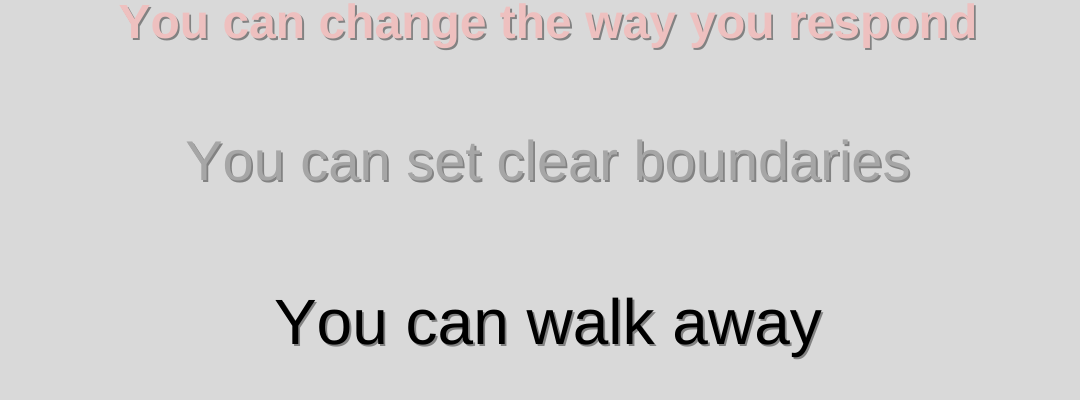
- Set clear boundaries and communicate them firmly. Boundaries are your protective shield, not negotiable favors.
- Seek support from trusted friends, family, or professionals. Isolation is a tactic of control; connection is your strength.
- Educate yourself about abuse cycles and trauma bonding. Understanding the psychology can empower you to make safer choices.
The Role of Therapy and Healing
Breaking free from control dynamics often requires professional help—not just for survivors but for perpetrators willing to change. Trauma-informed therapy, cognitive-behavioral approaches, and sometimes long-term psychological treatment are necessary to address the deep-rooted beliefs driving control.
For survivors, therapy can help rebuild self-esteem, repair boundaries, and develop emotional resilience, paving the way for healthier future relationships.
Final Thoughts: Hope With Caution
It’s natural to want to believe in the possibility of change and new beginnings, but awareness is your greatest ally. Understanding the psychological underpinnings of control and abuse can help you recognize red flags and protect your emotional well-being.
You deserve relationships where respect, freedom, and safety are the norms—not exceptions. Promises of change should be met with both hope and healthy skepticism, accompanied by clear boundaries and self-care.
Remember: Healing is possible, but it begins with truth and courage.
Reflective Questions
- What patterns have you noticed in past or current relationships involving control?
- How do promises of change affect your feelings and decisions?
- What boundaries do you need to set to protect your emotional safety?
- Who can support you as you navigate these challenges?
References
- Herman, J. L. (1997). Trauma and Recovery: The Aftermath of Violence—from Domestic Abuse to Political Terror.
- Walker, L. E. (1979). The Battered Woman.
- Porges, S. W. (2011). The Polyvagal Theory.
 Linda C J Turner | Trauma Therapist & Emotional Healing Specialist