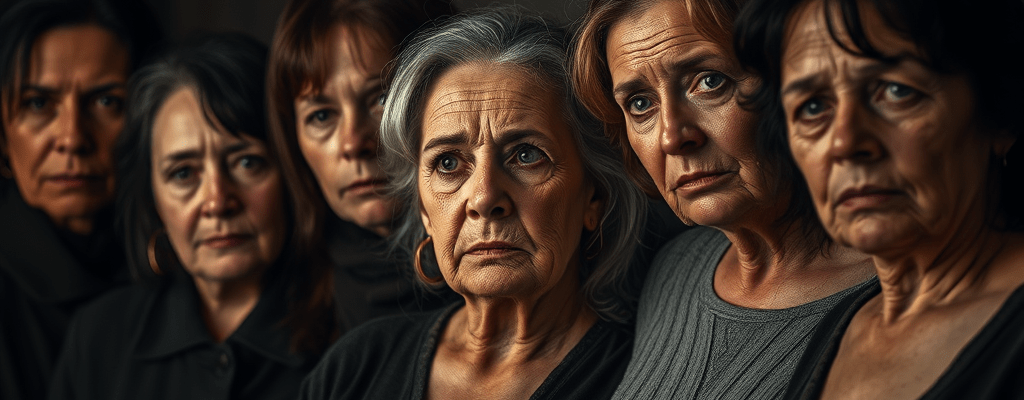
Abusers often operate with a relentless focus on maintaining control, and they can be incredibly manipulative in finding vulnerable targets. They don’t care about the inherent worth of the person they’re abusing, but rather how easily they can assert power over them. Vulnerability becomes a key factor—whether it’s emotional, financial, physical, or even cultural vulnerability—that abusers exploit to establish dominance.
Abusers are indeed often drawn to environments or individuals where they can go unnoticed or operate with little resistance. A culture or family structure that either tolerates or doesn’t intervene in abusive behaviors becomes a breeding ground for this kind of exploitation. The lack of outside intervention, from friends, family, or community, allows the abuser to maintain their power without any real accountability. This is why, in some situations, abuse can be passed down from generation to generation. In some families or cultures, abuse may be normalized or even expected, making it harder for individuals to break free or for others to recognize the signs.
There’s a chilling cycle of control at play, where the abuser deliberately isolates the victim from others who might intervene—whether it’s through gaslighting, creating doubts about the victim’s perceptions, or turning others in the family or community against them. They might even play the victim themselves, ensuring that any suspicions or challenges to their behavior are dismissed. This creates an environment where cruelty and manipulation can thrive without being questioned.
For many victims, this reality makes it even more difficult to break free, especially if they have no support network or lack the resources to escape. The abuser knows exactly what to look for—someone who feels isolated, someone who might be in a vulnerable state due to past trauma, economic struggles, or a lack of self-confidence—and they capitalize on that vulnerability.
What’s important to remember, though, is that even in situations where the abuser is relentless in seeking new victims, there’s always a path to healing and safety for those who have been harmed. The trauma is real, and the manipulation runs deep, but it is possible for someone to rebuild their life, sometimes with professional help or support groups that provide the right kind of understanding and empowerment.
The biggest challenge is recognizing these dynamics, especially when an abuser’s behavior is so subtle or when the abuse is wrapped in cultural or familial acceptance. That’s why breaking free, healing, and preventing future harm often requires not just individual action, but cultural or community-wide awareness and intervention.
 Linda C J Turner | Trauma Therapist & Emotional Healing Specialist