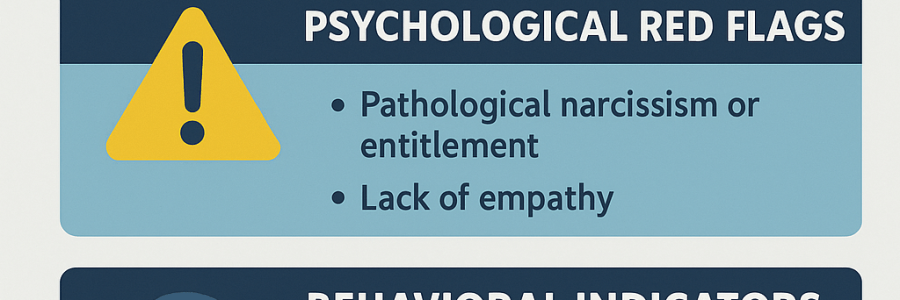
Serial Cheaters and Freeloaders: A Psychological and Neuroscientific Perspective

Some people seem to glide through life, taking from others without giving in return—serial cheaters and emotional or financial freeloaders. Understanding why they behave this way requires a mix of psychology, personality science, and neuroscience. 1. Personality Traits and Psychological Patterns a. Narcissism and Antisocial TraitsMany serial cheaters show strong narcissistic tendencies. They often have: Some… Read More Serial Cheaters and Freeloaders: A Psychological and Neuroscientific Perspective

Letting go of attachments

Letting go of attachments—whether to people, possessions, or identities—is a profound challenge. From both neuroscience and psychology perspectives, this difficulty stems from the deep-rooted nature of attachment systems in the brain and the complex interplay between early experiences, emotional regulation, and cognitive patterns. 🧠 The Neuroscience of Attachment Attachment behaviors are deeply embedded in our… Read More Letting go of attachments

Physical, emotional, and financial abuse.

You want to present evidence in court showing physical, emotional, and financial abuse. Here’s a structured approach for each type with practical steps and evidence you can gather. I’ll break it down clearly so it can serve as both a checklist and a guide for your case. 1. Physical Abuse Definition: Any intentional bodily harm or threat… Read More Physical, emotional, and financial abuse.

You Are What You Think: How Your Thoughts Shape Your Actions

The saying “you are what you think” isn’t just motivational—it’s rooted in psychology and neuroscience. The way we interpret the world directly influences how we feel, how we behave, and even how our brain wires itself over time. 1. The Psychology of Thoughts → Emotions → Actions In cognitive psychology, this is often described through the cognitive triangle:… Read More You Are What You Think: How Your Thoughts Shape Your Actions

The Psychological & Neuroscientific Effects of Gratitude for Everyday Joys

🌞 Sunshine 🐕 Connection with Your Dog ☀️ Peace and Calm 💛 Kindness, Softness, Support, Thoughtfulness 🙂 Presence, Smiles, and Laughter 🧠 The Bigger Picture: Neuroplasticity of Daily Gratitude Every time you notice and savour these things — sunshine, your dog, peace, kindness — your brain’s neural pathways for safety and joy strengthen. This is neuroplasticity… Read More The Psychological & Neuroscientific Effects of Gratitude for Everyday Joys

The Psychology of “Bad Vibes”: Why Some People Rub Others the Wrong Way

Most of us have had the experience: someone enters a room, and without them saying much, the atmosphere shifts. People feel uneasy, guarded, or repelled. Later, when the relationship ends, friends and colleagues confess: “We never liked him. He gave off bad vibes.” But what exactly are those bad vibes — and why do people often keep them… Read More The Psychology of “Bad Vibes”: Why Some People Rub Others the Wrong Way

Find Your Crowd: The Neuroscience of Surrounding Yourself with the Right People

Human beings are wired for connection. From a neuroscience perspective, our brains are social organs—constantly shaped and reshaped by the people around us. The company we keep doesn’t just influence our mood in the moment; it has lasting effects on how our brains process stress, motivation, and even self-worth. The Brain’s Social Wiring Neuroscience research… Read More Find Your Crowd: The Neuroscience of Surrounding Yourself with the Right People

Lifetime Abuse: The Toll on the Abuser

1. Neuroscience: The Brain in a Constant State of Threat and Control 2. Psychological Effects Over Time 3. Long-Term Consequences Conclusion: The Abuser’s Decline Abuse leaves a double legacy: scars on the victims and corrosion within the abuser. Neuroscience shows that the brain adapts to repeated patterns of rage and control, while psychology reveals the hollowness and isolation… Read More Lifetime Abuse: The Toll on the Abuser

The Connection Between Rejection and Domestic Abuse

Rejection is a powerful emotional experience that touches some of the most primitive regions of the brain. Neuroscience research shows that the brain processes rejection in a similar way to physical pain—the anterior cingulate cortex, the same region activated when the body experiences physical injury, also lights up during experiences of social rejection. This overlap… Read More The Connection Between Rejection and Domestic Abuse