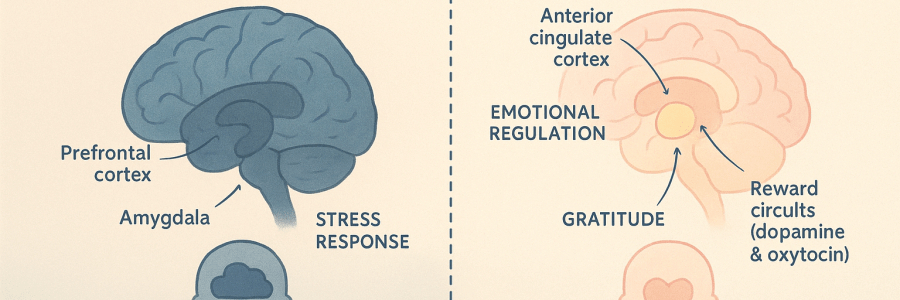
When Fear Leaves, Clarity Begins — The Neuroscience of Staying Too Long

Fear is one of the most powerful forces that keeps people in relationships longer than they should stay. Not love.Not hope.Not even loyalty. Fear. Fear of being alone.Fear of starting again.Fear of loss, instability, or the unknown. And neuroscience helps explain why this fear can feel so overpowering. The Brain on Fear and Attachment When… Read More When Fear Leaves, Clarity Begins — The Neuroscience of Staying Too Long

Neuroscience and Psychology of Connection: Why We Feel the Urge to Reach Out

There are moments when life delivers difficult news in clusters — one concern followed quickly by another. In those periods, something subtle but powerful often happens in the mind and body: a heightened sense of emotional awareness and a sudden urge to reconnect with the people we care about. From the perspective of neuroscience and… Read More Neuroscience and Psychology of Connection: Why We Feel the Urge to Reach Out

Don’t Ignore the Urge to Reach Out — It Often Means Something Important

There are moments in life when information arrives in waves — one difficult message after another — and it can create a kind of emotional overload that is hard to immediately process. In those moments, something important often happens in the nervous system. The brain begins to shift into a heightened state of sensitivity. The… Read More Don’t Ignore the Urge to Reach Out — It Often Means Something Important

Cruelty, Betrayal, Recovery

Part 1: The Neuroscience of Cruelty Cruelty rarely announces itself as cruelty. It often presents itself as power, control, or superiority. But in the brain, cruelty is not abstract — it is processed through systems that evaluate threat, meaning, and emotional pain. The amygdala detects emotional danger.The anterior insula registers internal distress.The anterior cingulate cortex… Read More Cruelty, Betrayal, Recovery

Cruelty often appears to be about power.

What looks like power in the momentcan quietly become limitation in the brain.Cruelty doesn’t just affect others —it reshapes the person who repeats it. Cruelty often appears to be about power.Control. Superiority.A momentary advantage over another person. But beneath that surface, neuroscience suggests something deeper is happening. The brain systems that allow us to feel… Read More Cruelty often appears to be about power.

Why an abusive person can seem calm right after harming you

1. Their stress system just discharged Before the outburst, their brain is often in a high-alert state: When they lash out (verbally, emotionally, or physically), it can act like a release valve. So their body goes from:high stress → discharge → relief That relief can look like: 2. Your distress regulates their nervous system This is one of… Read More Why an abusive person can seem calm right after harming you

Why People Align With Others They Don’t Even Like — The Neuroscience Behind It

At first glance, it can seem confusing — even contradictory — when someone aligns themselves with people they clearly don’t like, simply because there is something to gain. But neuroscience helps explain this behaviour. 1. Reward Overrides Authenticity The brain is wired to seek reward. When there is a perceived benefit — money, status, access,… Read More Why People Align With Others They Don’t Even Like — The Neuroscience Behind It

Abusive or high-conflict personalities.

Low impulse control becomes much more significant — and more harmful — when it shows up in abusive or high-conflict personalities. Here’s how it typically plays out: 1. Fast Emotional Reactions Turn Into Harmful Behaviour In these personalities, emotions (especially anger, frustration, or feeling “disrespected”) rise very quickly — and there’s little pause before acting. So… Read More Abusive or high-conflict personalities.