The Difference Between Cruelty and Abuse (and How the Brain Learns Both)

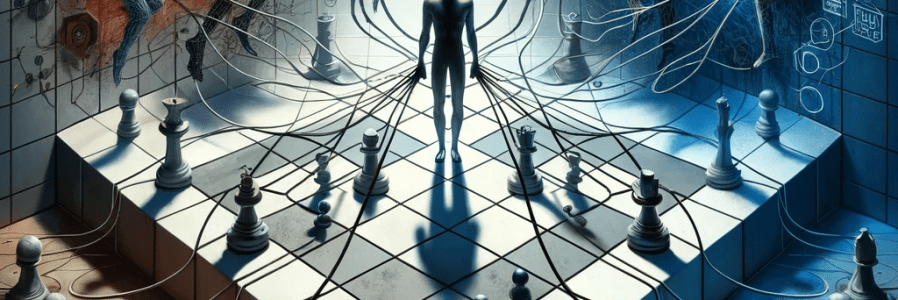
Cruelty and abuse are often used interchangeably, but they are not the same thing. Understanding the difference matters — not only psychologically and socially, but also in terms of how the brain processes repeated harm versus isolated harm. Cruelty: the act Cruelty refers to behaviour that causes emotional or physical pain, often without empathy or… Read More The Difference Between Cruelty and Abuse (and How the Brain Learns Both)

Cruelty often appears to be about power.

What looks like power in the momentcan quietly become limitation in the brain.Cruelty doesn’t just affect others —it reshapes the person who repeats it. Cruelty often appears to be about power.Control. Superiority.A momentary advantage over another person. But beneath that surface, neuroscience suggests something deeper is happening. The brain systems that allow us to feel… Read More Cruelty often appears to be about power.

Why People Wait Until It’s Too Late in Relationships

And how hesitation quietly destroys connection Most relationships don’t end in one dramatic moment. They end slowly—through hesitation, silence, and decisions that were never made. ⚠️ The pattern People often know something isn’t right. They feel it: But instead of acting, they wait. They tell themselves: And in that waiting, something important is lost. 🧠… Read More Why People Wait Until It’s Too Late in Relationships

Key Specialists on Abuse, Manipulation & Psychological Control

🧠 Stanley Milgram – Obedience to Authority Stanley Milgram Focus: Why ordinary people obey harmful instructions. Key finding: People can commit harmful acts if they believe: Why it matters for abuse: Explains how people justify harmful behaviour in systems, relationships, or authority-based dynamics. 🧪 Philip Zimbardo – Power & Role-Based Abuse Philip Zimbardo Focus: How… Read More Key Specialists on Abuse, Manipulation & Psychological Control

Attachment Patterns & Emotional Clarity

Still repeating the same relationship patterns? Confusion. Intensity. Distance. Overthinking. Silence that hurts more than words. This isn’t random. It’s a pattern. And it has a name: attachment. 👉 Book a consultation today and start understanding what’s really happening in your relationships. 🧭 WHY THIS FEELS SO FAMILIAR Most people don’t recognise emotional harm while it’s happening.… Read More Attachment Patterns & Emotional Clarity

Moral Disengagement in Relationships & Abuse Dynamics

(How harm becomes “justified” inside relationships) In relationships where there is emotional harm, control, or chronic disrespect, people don’t usually see themselves as “abusive” or “harmful.” Instead, they often unconsciously use moral disengagement mechanisms described by Albert Bandura to reduce guilt and maintain their self-image. 🔁 1. Moral justification (“I’m not hurting them, I’m…”) Harmful behaviour is reframed as… Read More Moral Disengagement in Relationships & Abuse Dynamics

Childhood Attachment & Abuse Dynamics

Why some people tolerate what others would never accept Not everyone who experiences abuse stays.And not everyone who stays is weak. The difference often begins in childhood. 👶 The Original Blueprint As a child, you don’t choose your environment.You adapt to it. If love, safety, or attention were inconsistent, withdrawn, or conditional, your nervous system… Read More Childhood Attachment & Abuse Dynamics

Childhood Attachment & Abuse Dynamics

Why some people tolerate what others would never accept Not everyone who experiences abuse stays.And not everyone who stays is weak. The difference often begins in childhood. 👶 The Original Blueprint As a child, you don’t choose your environment.You adapt to it. If love, safety, or attention were inconsistent, withdrawn, or conditional, your nervous system… Read More Childhood Attachment & Abuse Dynamics