🧠 1. The neuroscience of denial: fear and self-protection

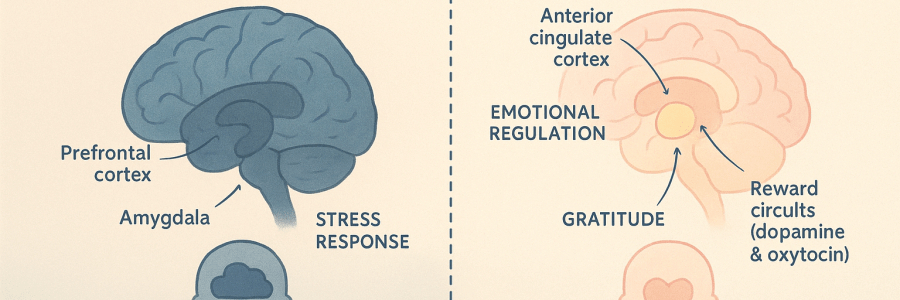
Denial is not just psychological — it’s neurobiological.When the brain encounters something threatening to identity, reputation, or emotional safety, the amygdala (fear center) and anterior cingulate cortex (conflict detector) activate.This triggers avoidance circuits — the brain unconsciously blocks awareness or reshapes reality to reduce emotional pain. In other words: “If I don’t admit it, I don’t have to feel it.” The brain… Read More 🧠 1. The neuroscience of denial: fear and self-protection

🧠 1. What happens in the brain (neuroscience perspective)

Antipsychotic medication (used for conditions like schizophrenia, schizoaffective disorder, or severe bipolar disorder) works by regulating dopamine and sometimes serotonin activity in key brain circuits — especially those involving: When you’ve been on these medications for years, your brain adapts to their presence: So, if someone suddenly stops taking the medication, the brain’s chemistry rebounds — dopamine activity can spike unpredictably.This “dopamine… Read More 🧠 1. What happens in the brain (neuroscience perspective)

“The Look That Never Lied: The Psychology of Hatred and Survival”

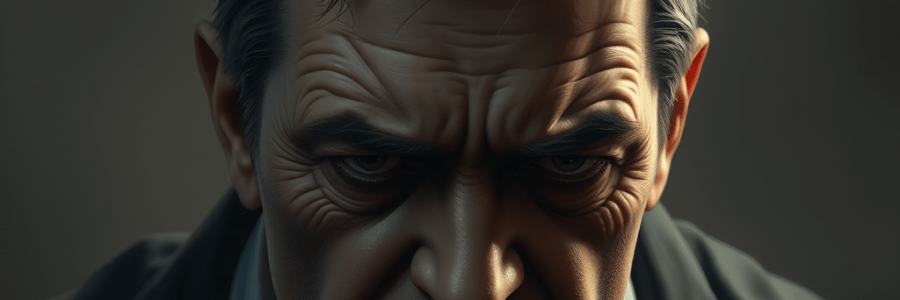
You can see the pattern in every picture — birthdays, holidays, celebrations.The smiles around you are bright, the music is playing, yet beside you is that same expression: a cold, hostile glare that never softens.Even on his own birthday, surrounded by friends, the cake lit and the room full of warmth, his eyes stayed fixed… Read More “The Look That Never Lied: The Psychology of Hatred and Survival”

“The Psychology of Projection: When the Real Controller Says ‘They’re Trying to Control You’”

You heard it over and over:“They’re trying to control you.”Your family. Your friends. Anyone who cared about you —he cast them all as the enemy. But in truth, it was never them.It was him. Psychologically, this is a classic tactic of projection — one of the most common defense mechanisms in controlling or narcissistic personalities.Projection happens when a person… Read More “The Psychology of Projection: When the Real Controller Says ‘They’re Trying to Control You’”

“After Control: The Neuroscience of Finally Living as You Choose”

For years, you went everywhere alone.Weddings, dinners, birthdays, the Camino de Santiago —always the one who showed up, smiled, and stood alone.But he never came — not to celebrate, not to walk beside you.You attended masonic dinners, family events, special moments — mostly  without him. For three decades, the pattern never changed.The only things you… Read More “After Control: The Neuroscience of Finally Living as You Choose”

“When They Never Come: The Psychology of Avoiding What You Love”

Moraira.Perth, Australia.Bournemouth.Puerto Banús.The places your daughter and grandchildren lived.The places filled with laughter, warmth, and belonging. And he never came.Not once. Not to visit. Not to share a meal, a beach, a moment.Always an excuse — too hot, too far, too boring, too Benidorm. It speaks volumes. Because in psychology, avoidance is rarely about disinterest — it’s… Read More “When They Never Come: The Psychology of Avoiding What You Love”

“When the Abuser Moves to Your Dream: The Psychology Behind Suddenly Wanting Moraira”

There’s a certain kind of cruelty that isn’t loud — it’s symbolic.Ten years ago, Moraira was your dream: sunshine, family, peace.He never wanted to come. He criticized Spain — too hot, too tacky, too Benidorm.He dismissed your joy because it wasn’t his. But now, suddenly, it’s his place.He visits, settles, even claims it as though the dream was always… Read More “When the Abuser Moves to Your Dream: The Psychology Behind Suddenly Wanting Moraira”

Moral Equilibrium and the Brain: Regret, Empathy, and Compassion

Moral equilibrium is the inner drive to restore balance when someone feels that actions or decisions have violated their own or societal moral standards. It’s the part of us that says, “I wish I had acted differently.” Psychological Perspective From a psychological standpoint, people often experience moral regret when they recognize that an opportunity to act with empathy… Read More Moral Equilibrium and the Brain: Regret, Empathy, and Compassion

When Intimidation Stops Working: The Neuroscience of Calm Power

When fear, threats, and insults stop working — when the person who once scared you realizes you’re no longer shaken — something powerful has shifted.Not in them, but in you. They will throw everything they can: intimidation, legal threats, emotional manipulation, guilt trips, character attacks. But when your nervous system no longer reacts the way it used… Read More When Intimidation Stops Working: The Neuroscience of Calm Power

Why they switch to insults — psychology

If intimidation (threats, legal bluster, looming consequences) doesn’t get the response the abuser wants, they often switch to insults and verbal abuse. Here’s a clear, short psychology + neuroscience explanation and practical guidance you can use. Why they switch to insults — psychology Why insults hurt — neuroscience (brief, cautious) Practical steps you can take