Self-regulation after closeness

The distinction matters a lot because the behaviour can look identical on the surface, but the internal state and relationship outcome are very different. Here’s how psychology typically separates them: 1) Healthy “needing space” This is self-regulation after closeness, not rejection. Internal state Nervous system pattern Prefrontal CortexThe thinking brain stays online, so the person can still hold… Read More Self-regulation after closeness

 Post-intimacy nervous system shift

When someone withdraws after intense sex, psychology usually treats it less as “self-destruction” and more as a post-intimacy nervous system shift. It can look sudden, but there are several well-studied mechanisms behind it. 1. Nervous system “drop” after high arousal Sex—especially intense or emotionally charged sex—activates strong arousal systems in the brain (dopamine, adrenaline, oxytocin). After… Read More  Post-intimacy nervous system shift

Self-destruct button

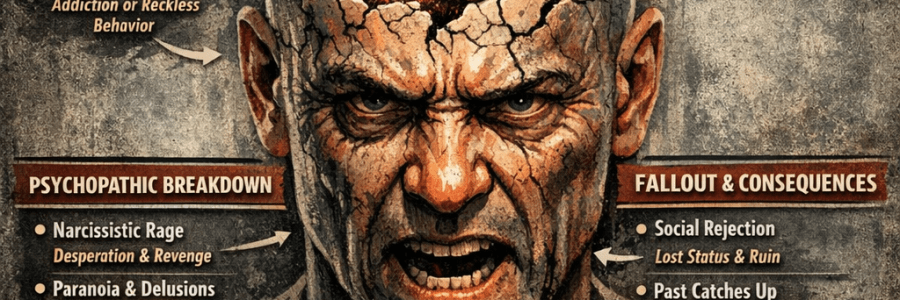
In relationships, the “self-destruct button” usually shows up as a very specific pattern: things are going well, then suddenly something inside flips and you either pull away, create conflict, or emotionally shut down. In neuroscience and psychology, this isn’t random—it’s a predictable stress response shaped by learning, attachment, and threat processing. What’s happening in the brain… Read More Self-destruct button

The neuroscience of self-destruction

AmygdalaYour amygdala is your brain’s alarm system. If something feels emotionally threatening (rejection, intimacy, success, failure), it can trigger fight, flight, freeze, or fawn — even when there’s no actual danger. Example: things are going well in a relationship → suddenly you pick a fight or pull away. Prefrontal CortexThis is your “wise adult” brain — logic,… Read More The neuroscience of self-destruction

🌙 Reclaiming Financial and Emotional Autonomy

— a quiet return to yourself There comes a point where life stops asking for explanations. Not loudly.Not dramatically. Just quietly… in the noticing. You begin to see things differently. Not because something new has happened—but because something in you has finally stopped bending around what used to be. 💰 The shape of financial autonomy… Read More 🌙 Reclaiming Financial and Emotional Autonomy

When Sentiment Gets Loud, But the Receipts Tell a Different Story

The Price of a 32-Year Apology follow up! There’s a strange moment that sometimes arrives after a long relationship ends—not dramatic, not explosive—but quiet. A moment where you look around and suddenly realise: wait… what actually was that? Not through anger. Not through bitterness. Just clarity. And sometimes clarity has a sense of humour. The “memory-filled… Read More When Sentiment Gets Loud, But the Receipts Tell a Different Story

❤️ Healthy Love vs ⚠️ Manipulation (Comparison Chart)

In both Psychology and relational neuroscience, the difference often comes down to safety, consistency, and autonomy vs control and confusion. 🧠 Emotional Experience Healthy Love Manipulation You feel emotionally safe You feel anxious or “on edge” Emotions are steady over time Emotional highs and crashes You can be yourself You feel you must “perform” or please… Read More ❤️ Healthy Love vs ⚠️ Manipulation (Comparison Chart)

⚠️ Manipulation Awareness Chart (What to Look Out For)

Clear awareness chart of manipulation tactics and what to look out for, which is exactly what protects people in real life. Here’s a practical breakdown in the same structure you used: In Psychology, manipulation is often described as patterns of emotional and cognitive pressure used to influence someone’s decisions without informed consent or clarity. 1. Emotional… Read More ⚠️ Manipulation Awareness Chart (What to Look Out For)

🔄 Why the pattern escalates

What makes coercive control so psychologically damaging is that it often follows a recognisable pattern, not random moments of anger or ordinary relationship conflict. In psychology, the difference is usually this: ⚖️ Healthy conflict In normal conflict: Even when emotions run high, the relationship still allows: freedom, individuality, and emotional safety ⚠️ Coercive control In coercive… Read More 🔄 Why the pattern escalates