When Cruelty Feels Rewarding

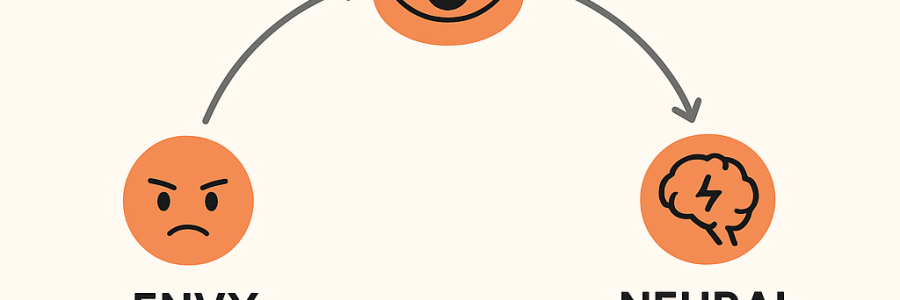
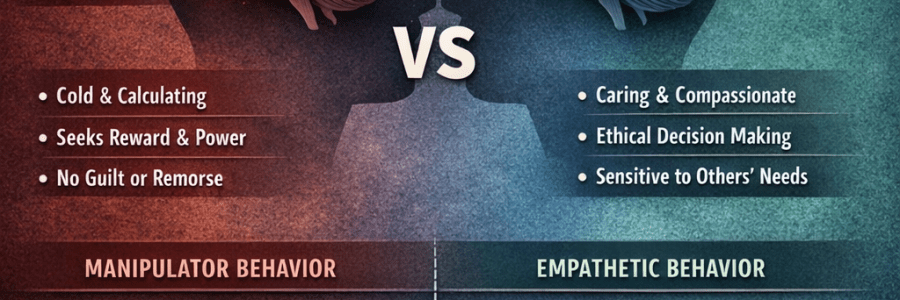
The Neuroscience and Psychology of Sadistic Behaviour Most people feel distress when they see someone else in pain. But not everyone. For some individuals, another person’s discomfort, fear, or humiliation does not trigger empathy—it triggers something very different. It creates reward. When Empathy Is Reversed In healthy emotional functioning, the brain responds to others’ pain with… Read More When Cruelty Feels Rewarding

Intermittent Reinforcement

Why “Just Enough” Keeps People Stuck One of the most powerful psychological patterns in unhealthy relationships is intermittent reinforcement. It is not consistent kindness.It is not stable love. It is unpredictable reward. What It Looks Like in Real Life Just enough to create hope.Never enough to create stability. The Neuroscience Behind It From a neuroscience perspective, intermittent… Read More Intermittent Reinforcement

The Victim–Martyr Pattern in Real Life

When Illness, Crisis, and Suffering Become a Cycle I have heard it all over the years. From life-threatening skin cancer…To headaches described as brain tumours…To claims of dying from prostate cancer—despite being repeatedly told by doctors it had been treated and cleared. Stomach disorders.A cabinet full of medication.Constant hospital visits.Trips every other day to medical… Read More The Victim–Martyr Pattern in Real Life

Why Safety, Structure, and Support Systems Matter

Neuroscience, Psychology, and the Human Need for Security Safety is not an abstract concept—it is a lived, structured reality built over time. I am staying where I am safe. I have: This is not uncertainty. This is a structured safety system. The Neuroscience of Safety From a neuroscience perspective, the brain prioritises perceived safety above almost… Read More Why Safety, Structure, and Support Systems Matter

Control, Distance, and Indirect Power Dynamics

A Neuroscience and Psychology Perspective on Behaviour Beyond Separation Abusive or controlling dynamics do not always end when physical distance increases or legal boundaries are introduced. In many cases, the pattern of behaviour simply adapts. When direct control is no longer possible, it often shifts into indirect forms. The Need to Maintain Control From a… Read More Control, Distance, and Indirect Power Dynamics

Control, Resistance, and Behavioural Patterns in Conflict

Neuroscience and Psychology of Power, Persistence, and Perceived Control Abusive or controlling dynamics are not only expressed directly between individuals. They can also extend through systems, communication, and indirect pressure—long after physical separation or legal boundaries exist. When control cannot be maintained in one way, it often shifts into another. The Need to Maintain Control… Read More Control, Resistance, and Behavioural Patterns in Conflict

When Someone Stays in a Place They Say They Dislike

Neuroscience, Psychology, and Control-Based Behaviour He hates the climate.He hates the food.He dislikes the people.He struggles with the crowds in summer. Even his sister has said she does not think he will stay. So the question naturally becomes: Why does he stay? Why, indeed? When Words and Behaviour Do Not Match From a psychological perspective,… Read More When Someone Stays in a Place They Say They Dislike