What research actually shows

Psychologists sometimes study traits related to everyday sadism, meaning a subclinical (non-clinical) tendency to enjoy minor forms of others’ discomfort. This is not the same as clinical sadism or criminal behaviour. Some findings from research on “dark personality traits” suggest that: ⚠️ Important clarifications 🧩 The key takeaway Research in this area suggests that a very small proportion of… Read More What research actually shows

Get in Touch

If you are feeling trapped in a relationship and uncertain about whether to stay or leave, structured support can help you gain clarity. We provide confidential 1-hour consultation sessions where you can talk through your situation in a safe, neutral, and supportive environment. These sessions are designed to help you better understand your circumstances, explore… Read More Get in Touch

Staying Was Survival—Leaving Was Transformation

Redefining beauty, strength, and self-worth after divorce In a world that constantly measures beauty by appearance, we often forget where true beauty actually lives. To be beautiful on the inside is to embrace our humanity with grace. It is not about perfection, nor about always getting things right. It is about allowing ourselves to feel… Read More Staying Was Survival—Leaving Was Transformation

High-Risk vs Manageable Behaviour: What Professionals Look For

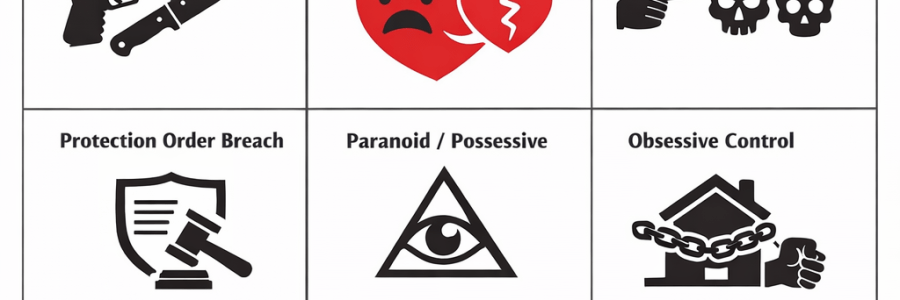
When psychologists or risk assessors use tools like the HCR-20 or PCL-R, they are not guessing — they are looking for specific patterns that predict escalation or persistence. 🚩 High-Risk Red Flags These are the behaviours that raise serious concern because they are linked to ongoing or escalating harm: 1. Persistence Over Time 👉 Indicates: deeply ingrained behaviour, not situational 2.… Read More High-Risk vs Manageable Behaviour: What Professionals Look For

How These Assessments Apply in Real Situations

When psychologists assess someone with patterns like: they’re not just looking at incidents — they’re looking at patterns across time, thinking style, and likelihood of change. 1. Using the HCR-20 in This Context A professional would map behaviour like this: Historical (H) They would look for: 👉 This builds a picture of whether the behaviour is situational or lifelong.… Read More How These Assessments Apply in Real Situations

The full psychological picture:

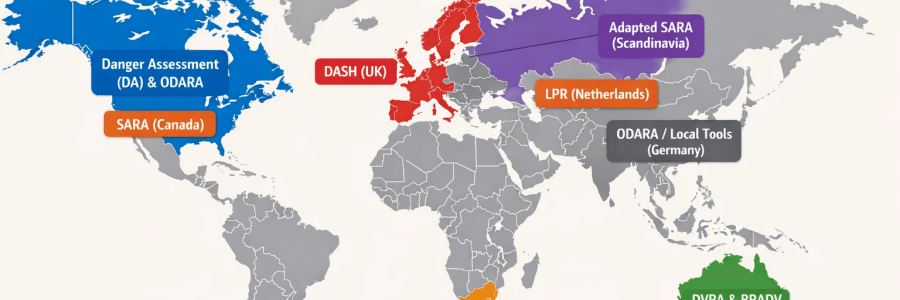
Here’s a clear, simple explanation of each of these tools — what they are, how they’re used, and what they actually assess: 1. HCR-20 (Historical, Clinical, Risk Management-20) This is a professional risk assessment tool used mainly by psychologists, psychiatrists, and forensic specialists to evaluate the likelihood of future violent behaviour. What it looks at: It is divided into… Read More The full psychological picture:

Does Meanness Run in Families? Understanding Patterns That Seem to Pass Down Generations

“Meanness is often a deep, enduring pattern. You can’t cure it with more giving, more patience, or more self-sacrifice.” That truth leads to an important question: Does meanness run in families? The answer is not simple — but patterns absolutely can repeat across generations. It’s Not Just Personality — It’s Learned Behaviour Children don’t just… Read More Does Meanness Run in Families? Understanding Patterns That Seem to Pass Down Generations