Revisiting Old Letters: A Testament to Growth, Truth, and Never Going Back

There’s something powerful—almost confronting—about revisiting old letters. Words once written in hope, in confusion, in love, in pain. Words that carried everything you were trying to express at the time, often to someone who could not—or would not—truly hear you. And yet, when you read them back now, something shifts. The Courage Hidden in Those… Read More Revisiting Old Letters: A Testament to Growth, Truth, and Never Going Back

Do You Have to Believe in a Higher Power to Heal and Thrive?

It’s a question many people quietly ask themselves—especially after coming through difficult, life-altering experiences: Do you have to believe in a higher power for life to finally feel good? The short answer is no. But the deeper answer is far more interesting. What Do We Mean by “Higher Power”? A higher power doesn’t have to… Read More Do You Have to Believe in a Higher Power to Heal and Thrive?

Real love

Real love doesn’t hide in cards or show up only on birthdays and Christmas. Real love stands beside you when no one’s watching. Every day. All year round. Anything less? That was never love — and it was never yours to keep.

Fake family

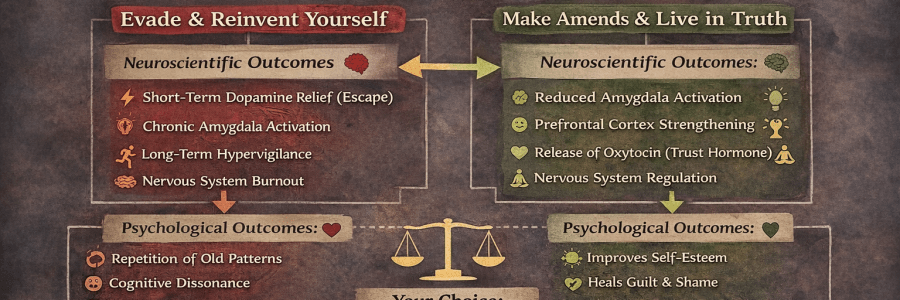
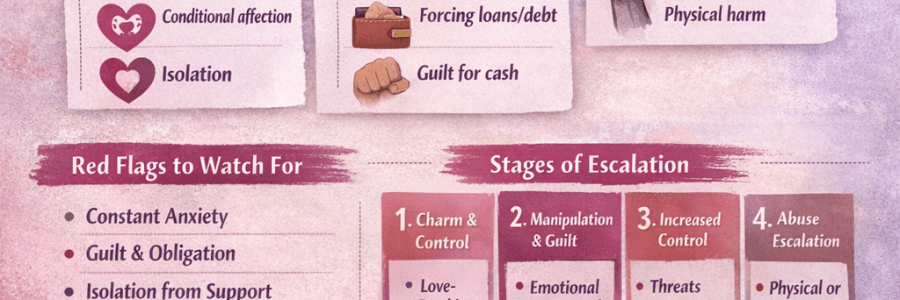
1️⃣ Understanding the “fake family” dynamic When people (like abusers or their enablers) act under their own agendas: Attachment Theory: Your brain may have tried to form secure bonds, but insecure or manipulative patterns prevented it. Trauma Bonding: Repeated exposure to manipulation or conditional love strengthens neural circuits linking pain to attachment. Amygdala Hyperactivation: Your… Read More Fake family

The hard truth

When relatives have already witnessed abusive behaviour and still minimise, deny, or side with the abuser, it can feel especially confusing — because now it’s not just disbelief, it’s contradiction of what they’ve seen. Neuroscience and psychology offer a clearer (and sobering) explanation: 🧠 1. The brain doesn’t just see — it interprets Even when someone… Read More The hard truth

🧠 Why the reaction can feel “as bad as the abuse”

When you tell someone’s relatives, you’re not just sharing information — you’re challenging their entire internal model of who that person is. The brain experiences this as a threat. A few key mechanisms: Cognitive Dissonance People hold a mental image like “he’s a good son/brother.” When your truth conflicts with that, it creates psychological discomfort.… Read More 🧠 Why the reaction can feel “as bad as the abuse”