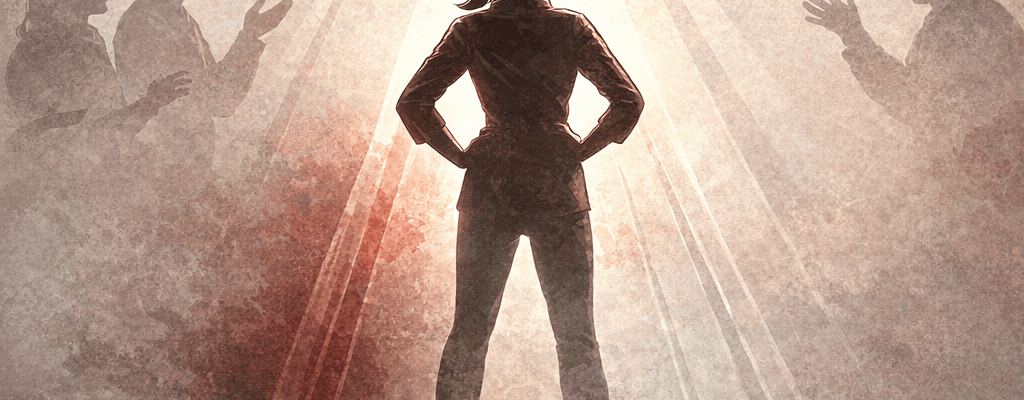
In my work, I’ve supported a lot of people through trauma, recovery, and rebuilding their lives after abuse.
But there’s one boundary I don’t blur:
I don’t treat abusers.
Not because I don’t understand the psychology.
Not because I haven’t seen the patterns.
But because abuse is a choice—and accountability matters.
In my experience, when someone who abuses turns up in therapy, it’s often not for real change.
It’s to manage perception.
To say the right things.
To look like they’ve “done the work.”
And I’m not interested in being part of that narrative.
Real change—if it happens at all—requires deep accountability, specialist intervention, and a willingness to face harm without minimising it. That’s a very different space, and it’s not the work I do.
My work is with the people who’ve had to survive it.
The ones who are left picking up the pieces, rebuilding their nervous systems, their confidence, their sense of self.
That’s where my focus is.
That’s where my energy goes.
And that’s a boundary I stand by.

