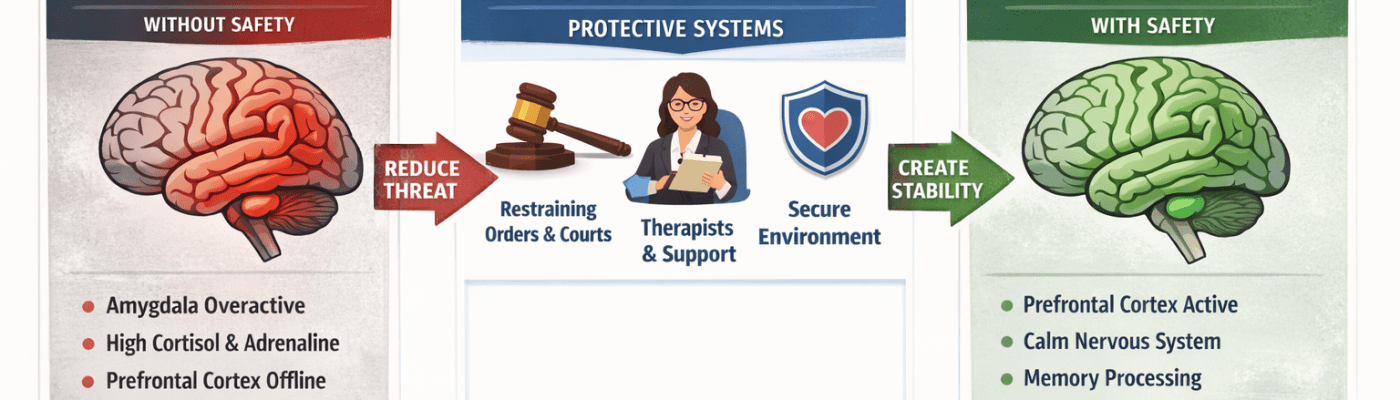
1. Pause the impulse (do not act immediately)
Urges feel urgent—but they peak and pass like a wave.
- Don’t message them
- Don’t check their social media
- Don’t make decisions in the spike
🧠 Rule: If it’s intense, it’s not the time to act.
2. Name what’s actually happening
Say (out loud if possible):
“This is an emotional wave, not a decision.”
What you’re feeling may be:
- Withdrawal
- Loneliness
- Trauma bonding
- Anxiety misread as “love”
3. Anchor to reality (not memory)
Your mind will show you the best moments.
Immediately counter it with facts:
- Write 3 things that hurt you
- Write 3 patterns that repeated
- Write why you left in the first place
🧠 Memory softens pain. Reality restores balance.
4. Regulate your nervous system
Your body is driving the urge more than logic.
Try one:
- Cold water on face or wrists
- Slow breathing (in 4, out 6)
- Walk outside for 10 minutes
- Grounding: name 5 things you see, 4 feel, 3 hear
5. Delay the decision
Tell yourself:
“I can reconsider in 24 hours—but not now.”
Most urges drop significantly when you remove immediacy.
6. Replace contact with connection
Instead of reaching them:
- Text a safe friend
- Write in notes what you want to say (don’t send it)
- Watch something neutral (not emotional triggers)
7. Remember this core truth
Missing someone is not proof they were good for you.
The nervous system can crave what harmed it.
Urges are attachment activation—not compatibility.
🧠 If it still feels overwhelming:
Ask yourself just one question:
“When I went back before, did things actually change—or did the cycle restart?”
That question usually restores clarity.

