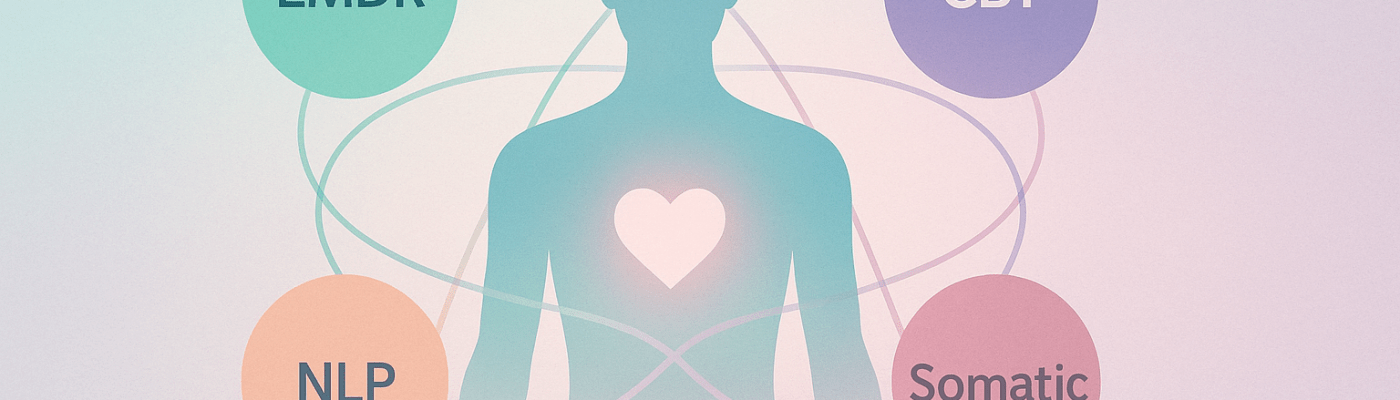
The Psychology & Neuroscience of Self-Worth, Safety & Empowerment
🧠 Build Your Own Worth
Not just in relationships — but in the deepest layers of your identity.
Psychology
Your sense of self-worth is formed primarily in early attachment experiences. If love, safety, or approval were conditional, your nervous system learned:
“I must earn my worth.”
This creates:
- People-pleasing
- Over-giving
- Fear of abandonment
- Tolerance of mistreatment
Healing means rewiring identity from:
I am valued because I perform
to
I am worthy because I exist.
Neuroscience
Self-worth is encoded in:
- Prefrontal cortex → self-concept & meaning
- Hippocampus → emotional memory
- Amygdala → threat detection
Trauma sensitises the amygdala, making rejection feel like physical danger. Healing strengthens prefrontal regulation so self-validation replaces external validation.
When you build your worth, your brain learns safety within the self.
🌱 Build Your Emotional Intelligence
So your emotions become guidance, not danger.
Psychology
Emotional intelligence is the ability to:
- Recognise emotions
- Tolerate distress
- Self-soothe
- Communicate needs
- Regulate reactions
This prevents:
- Emotional flooding
- Reactive anger
- Shutdown
- Trauma bonding
- Addictive relationship patterns
Neuroscience
This strengthens:
- Prefrontal cortex ↔ limbic system communication
You move from:
reaction → reflection → response
This creates emotional resilience instead of emotional survival.
Emotional intelligence literally rewires your nervous system from chaos into coherence.
🛡 Know Your Boundaries
Boundaries are the architecture of safety.
Psychology
Healthy boundaries:
- Define where you end and others begin
- Protect your emotional energy
- Prevent enmeshment and exploitation
Poor boundaries often come from:
- Childhood conditioning
- Trauma bonding
- Fear of abandonment
- Low self-worth
Neuroscience
Boundaries activate:
- Anterior cingulate cortex → conflict detection
- Prefrontal cortex → impulse control
As boundaries strengthen, the brain learns:
“I can tolerate discomfort without self-betrayal.”
This builds internal authority.
🌿 Heal Your Past
Unhealed trauma runs silently in the background.
Psychology
Trauma fragments identity, creating:
- Hypervigilance
- Fear-based attachment
- Dissociation
- Repetition compulsion
Healing integrates:
- Memory
- Emotion
- Meaning
- Identity
So the past stops hijacking the present.
Neuroscience
Trauma locks memory in:
- Amygdala + sensory cortex
Healing activates:
- Hippocampus + prefrontal cortex
This allows trauma to become memory — not reliving.
Healing is the nervous system learning that the danger is over.
🕊 Choose Peace Over Pleasing
Pleasing is survival. Peace is safety.
Psychology
People-pleasing is:
- A trauma adaptation
- A fear-based strategy
- An attachment survival mechanism
Peace comes when:
- Self-validation replaces external validation
- Self-trust replaces fear
Neuroscience
Pleasing keeps the nervous system in:
fawn response (appease to survive)
Peace activates:
parasympathetic regulation (rest, digest, repair)
This allows:
- Emotional clarity
- Better decision-making
- Reduced cortisol
- Nervous system healing
💰 Build Your Financial Independence
Money equals nervous system safety.
Psychology
Financial independence removes:
- Fear-based attachment
- Survival dependency
- Trapped relationships
It restores:
- Choice
- Autonomy
- Dignity
Neuroscience
Financial insecurity keeps the brain in:
chronic threat mode
Security activates:
ventral vagal system — safety, connection, stability
This dramatically reduces:
- Anxiety
- Trauma bonding
- Control vulnerability
Financial safety = emotional safety.
👑 Build Your Self-Worth
So you never stay where you are diminished, manipulated, or made to feel small.
Psychology
High self-worth:
- Filters out abuse
- Rejects manipulation
- Requires emotional maturity
- Attracts healthy partners
Low self-worth:
- Normalises mistreatment
- Confuses chaos for chemistry
- Bonds through pain
Neuroscience
Self-worth builds:
- Neural stability
- Emotional predictability
- Threat discrimination
You stop confusing:
danger → excitement
and start recognising:
safety → attraction
🧠 The Deep Neuroscience Truth
When self-worth increases:
- Amygdala reactivity decreases
- Prefrontal regulation increases
- Cortisol levels drop
- Oxytocin regulation normalises
- Dopamine addiction cycles fade
You literally become neurologically incompatible with abuse.
🕊 Final Truth
When you build your worth,
you stop begging for love.
You stop tolerating harm.
You stop confusing intensity for intimacy.
You stop shrinking to belong.
You become:
emotionally sovereign.
 Linda C J Turner | Trauma Therapist & Emotional Healing Specialist