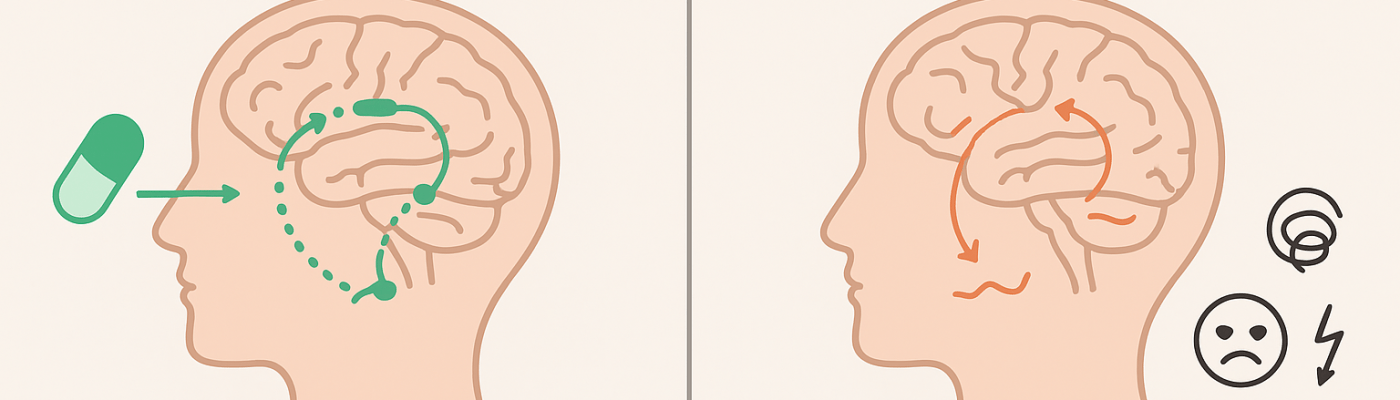
Paying for sex is not primarily about sex.
From a neuroscience and psychological perspective, it is most often about power, control, emotional safety, attachment wounds, and nervous-system regulation.
1. The Neuroscience: Control Over Connection
Healthy sexual intimacy activates:
- Oxytocin → bonding, trust, safety
- Dopamine → pleasure, reward
- Vagus nerve activation → emotional regulation and calm
But true intimacy requires emotional vulnerability, which activates deeper brain regions responsible for:
- Trust
- Attachment
- Emotional exposure
- Self-worth
For many people, this vulnerability feels unsafe.
So instead of relational connection, the brain seeks:
Control + stimulation – emotional risk
Paying for sex allows:
- Physical pleasure
- Dopamine reward
- Zero emotional exposure
- Total control
This keeps the emotional nervous system protected, but also prevents real bonding.
2. Trauma & Nervous System Adaptation
Many people who repeatedly pay for sex have:
- Early attachment wounds
- Emotional neglect
- Abandonment trauma
- Chronic rejection
- Shame conditioning
- Emotional invalidation in childhood
These experiences shape the nervous system to believe:
“Closeness is dangerous.”
“Needs will not be met.”
“Connection leads to pain.”
So the nervous system learns strategies of emotional self-protection, including:
- Avoidant attachment
- Emotional detachment
- Transactional intimacy
Paying for sex allows:
- Physical contact
- Without emotional exposure
- Without relational risk
- Without vulnerability
3. Attachment Psychology: Avoidant & Disorganized Patterns
From an attachment perspective, paying for sex strongly correlates with:
Avoidant Attachment
- Fear of dependency
- Discomfort with emotional closeness
- High need for autonomy
- Sexual desire without emotional intimacy
Disorganized Attachment
- Desire for closeness + fear of it
- Push–pull relational patterns
- High internal conflict around intimacy
- Nervous system dysregulation
In both cases:
Transactional sex replaces emotional intimacy.
4. Power, Control & Nervous System Safety
For some individuals, paying for sex is not about pleasure — it is about:
- Power
- Control
- Emotional safety
- Predictability
Control creates nervous system calm.
There is:
- No emotional negotiation
- No rejection risk
- No relational accountability
- No vulnerability
This gives a false sense of emotional safety, but blocks real healing.
5. Emotional Avoidance & Dopamine Substitution
The brain seeks regulation.
When emotional pain, loneliness, or emptiness is present, the brain looks for:
- Dopamine
- Novelty
- Stimulation
Transactional sex becomes a dopamine-based coping mechanism, similar to:
- Porn addiction
- Gambling
- Compulsive dating
- Substance use
- Emotional affairs
This creates:
- Temporary relief
- Followed by emotional emptiness
- Followed by repetition
A classic dopamine loop.
6. Why It Rarely Leads to Fulfillment
Because:
- True fulfillment comes from secure emotional attachment
- Which requires:
- Safety
- Trust
- Vulnerability
- Mutual presence
Transactional sex bypasses all four.
So the nervous system never reaches deep regulation — only temporary stimulation.
7. Healing Perspective
Recovery is not about shaming behavior.
It is about understanding nervous system survival strategies.
True healing involves:
- Attachment repair
- Emotional safety building
- Trauma resolution
- Nervous system regulation
- Relational re-patterning
When emotional safety increases, the need for transactional intimacy naturally decreases.
Trauma-Informed Summary Statement
Paying for sex is rarely about desire. More often, it reflects nervous-system survival strategies shaped by attachment wounds, trauma, and emotional disconnection. Healing occurs not through judgment, but through understanding, safety, and relational repair.
 Linda C J Turner | Trauma Therapist & Emotional Healing Specialist