Neuroscience + Psychology Explained
1. What is cruelty in abuse?
Cruelty = the intentional infliction of emotional, psychological, or physical pain in order to dominate, punish, humiliate, or control.
In abusive dynamics, cruelty is not accidental.
It is instrumental — it serves a function.
That function is:
Power + dominance + emotional regulation for the abuser.
2. What is sadism?
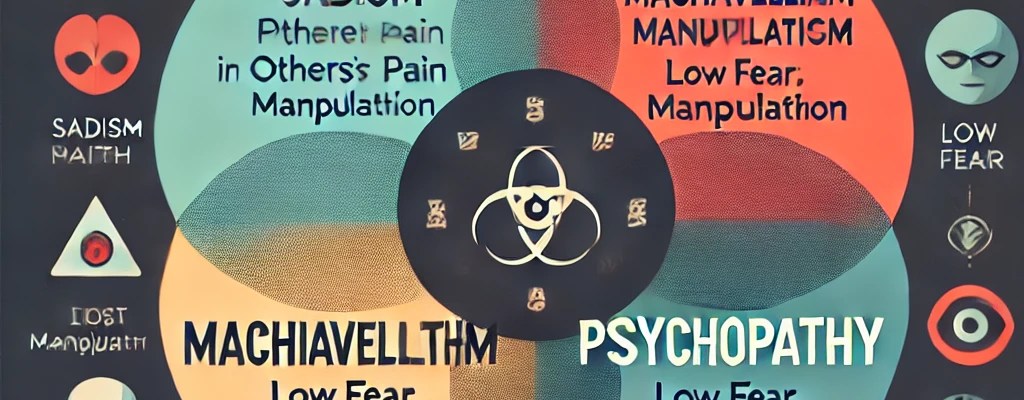
Sadism = deriving emotional, psychological, or physiological reward from another person’s distress.
This does not always mean physical violence.
Psychological sadism includes:
- Enjoying humiliation
- Enjoying fear
- Enjoying confusion
- Enjoying emotional pain
- Enjoying watching someone break down
- Enjoying having power over another’s emotional state
🧠 Neuroscience: What happens in the brain?
1. Dopamine reward from domination
When an abuser:
- Causes fear
- Gains control
- Humiliates
- Dominates
Their brain releases dopamine (reward chemical).
So:
Cruelty becomes neurologically reinforcing.
This explains:
- Escalation
- Repetition
- Obsession with control
- Lack of stopping
2. Amygdala-driven threat system
Many abusers have:
- Hyperactive threat perception
- Deep fear of vulnerability
- Extreme intolerance of loss of control
Their nervous system reads:
Autonomy of others = threat
Independence = danger
So they attack to regain control.
3. Empathy inhibition
Cruelty correlates with:
- Reduced activation of empathy networks
- Lower mirror neuron engagement
- Deactivation of compassion circuits
Meaning:
➡ They do not neurologically experience others’ pain normally
This allows:
- Coldness
- Indifference
- Emotional detachment
- Moral disengagement
🧠 Psychology: Why cruelty becomes part of their personality
1. Power regulation
Cruelty gives:
- Emotional discharge
- Tension relief
- Anxiety reduction
- Sense of superiority
So:
Cruelty regulates their emotional system.
2. Control-based identity
Their identity becomes:
“I dominate, therefore I exist.”
Without dominance:
- They feel empty
- Powerless
- Shamed
- Annihilated
So cruelty protects their ego structure.
3. Shame avoidance
Deep shame is common in abusers.
Cruelty:
➡ Externalizes shame
➡ Projects pain outward
➡ Prevents self-reflection
4. Trauma reenactment
Many abusive individuals were:
- Humiliated
- Powerless
- Controlled
- Shamed
- Abused
They unconsciously recreate the same dynamics, but this time:
They are the one in control.
This is called:
Trauma reenactment compulsion
⚠️ How Cruelty Escalates
Cruelty follows predictable stages:
- Subtle control
- Emotional manipulation
- Psychological degradation
- Humiliation
- Threats
- Punishment
- Sadistic enjoyment
This is why early red flags matter.
🧬 Common Cruel Abusive Behaviors
- Name calling
- Humiliation
- Threats
- Gaslighting
- Public shaming
- Emotional withdrawal as punishment
- Silent treatment
- Intimidation
- Legal harassment
- Financial strangulation
- Emotional blackmail
- Smear campaigns
Why victims often stay (important neuroscience)
Trauma bonding occurs when:
- Fear + relief + hope + pain cycle repeatedly
This:
- Dysregulates the nervous system
- Creates emotional dependency
- Distorts danger perception
So staying is a nervous system survival response, not weakness.
Key Psychological Truth
Cruelty in abuse is not loss of control.
It is a method of control.
Critical Distinction
Not all abusers are sadists.
But all sadistic abuse involves control and domination.
Healing Perspective (For Survivors)
Understanding this:
- Removes self-blame
- Restores clarity
- Validates lived experience
- Helps rebuild nervous system safety
One-Sentence Summary
Abusive cruelty and sadism arise from dysregulated threat systems, reward-driven dominance circuits, empathy inhibition, and trauma-based power identities.
 Linda C J Turner | Trauma Therapist & Emotional Healing Specialist