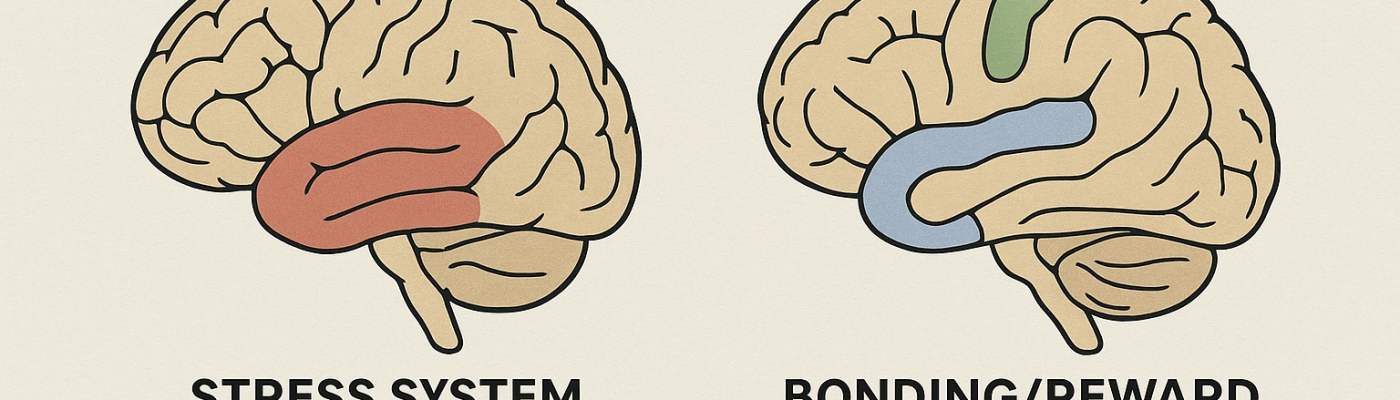
Dating in midlife is not the same as dating when you were younger.
Your nervous system now carries:
- Life experience
- Attachment history
- Emotional memory
- Relationship trauma
- Grief
- Wisdom
This means your body seeks safety before excitement — even if your mind wants connection.
From a neuroscience and psychological perspective, this is not hesitation.
It is emotional intelligence.
1. The Midlife Nervous System: Why Dating Feels Different Now
After long-term relationships, divorce, betrayal, or loss, the brain becomes more protective.
Your nervous system prioritizes:
- Emotional safety
- Predictability
- Stability
- Calm
- Trust
Over:
- Chemistry
- Novelty
- Intensity
- Urgency
This is healthy.
Your system has learned:
Connection is meaningful. Therefore, it must also be safe.
2. The Neuroscience of Safe Midlife Intimacy
When emotional safety is present, the brain releases:
- Oxytocin → trust, bonding, emotional closeness
- Serotonin → emotional stability, grounding
- Vagal nerve activation → calm, regulation, safety
When safety is missing, the brain activates:
- Cortisol & adrenaline → stress, vigilance
- High dopamine spikes → urgency, obsession, trauma bonding
This is why:
Calm feels right. Intensity often feels familiar.
Midlife healing involves learning to choose calm over chemistry spikes.
3. Post-Divorce Attachment Healing
Divorce often creates:
- Attachment injury
- Trust rupture
- Identity shifts
- Emotional shock
- Nervous-system dysregulation
This may show up as:
- Emotional caution
- Guardedness
- Fear of repeating patterns
- Hyper-awareness of red flags
- Slower emotional pacing
These are signs of healing — not emotional unavailability.
4. What Safe Midlife Intimacy Feels Like
Safe intimacy in midlife feels:
- Calm
- Grounded
- Clear
- Respectful
- Emotionally steady
- Slow enough to feel safe
It looks like:
- Consistency
- Reliability
- Clear communication
- Gentle curiosity
- Emotional presence
- Mutual pacing
It does not feel:
- Overwhelming
- Confusing
- Addictive
- Urgent
- Emotionally destabilizing
5. Why Slower Is Smarter in Midlife Dating
Your nervous system requires time and consistency to rebuild trust.
Each steady interaction teaches:
- Emotional safety
- Predictability
- Secure attachment
Fast emotional escalation often creates:
- Trauma bonding
- Fantasy attachment
- Dopamine-driven connection
- Nervous system dysregulation
Slow connection builds:
Security, not survival bonding.
6. Signs You Are Building Healthy Intimacy
You feel:
- Emotionally safe
- Calm in their presence
- Clear-minded
- Emotionally respected
- Comfortable expressing needs
- Free to be yourself
Your nervous system does not feel:
- On edge
- Hyper-vigilant
- Obsessive
- Anxious
- Confused
7. Common Midlife Dating Triggers
- Fear of repeating painful patterns
- Hyper-alertness to red flags
- Emotional guarding
- Attachment anxiety
- Loss-based fear
These are protective responses — not emotional damage.
Healing allows:
Discernment without fear.
8. Rebuilding Trust After Divorce
Trust does not return through hope.
It returns through:
- Consistent behavior
- Emotional accountability
- Predictable care
- Time
- Safety repetition
This slowly rewires:
- Attachment pathways
- Emotional security
- Nervous-system regulation
Gentle Truth for Midlife Daters
At this stage of life:
Peace becomes more attractive than intensity.
Consistency becomes more attractive than charm.
Safety becomes more attractive than excitement.
This is emotional maturity.
Closing
You are not late.
You are not behind.
You are not broken.
You are wiser.
More discerning.
More embodied.
And your nervous system now knows:
Love should feel safe.
Trust that knowing. 🤍
 Linda C J Turner | Trauma Therapist & Emotional Healing Specialist