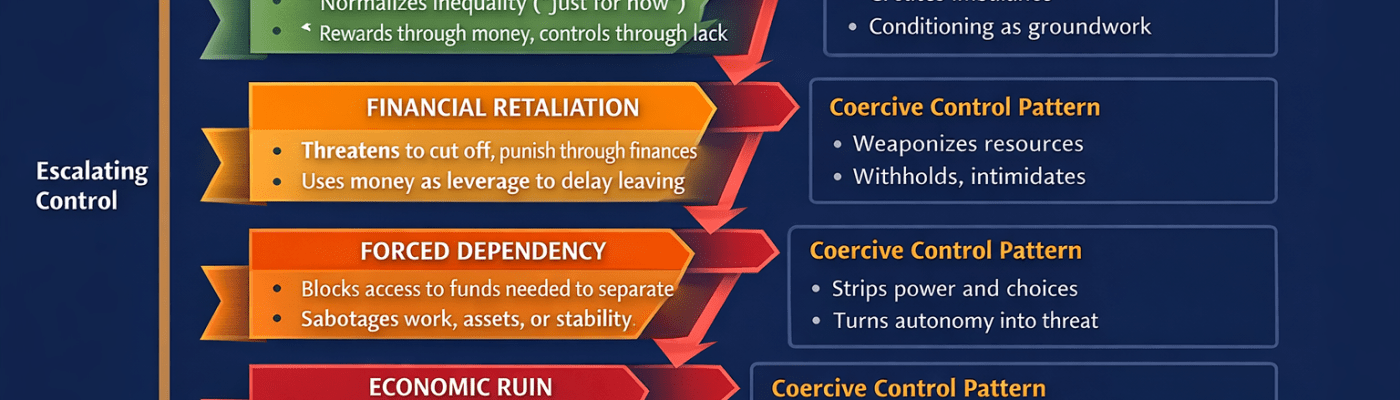
Here is a clear, evidence-based breakdown of real love vs. a financial parasite, grounded in neuroscience, psychology, and behavioural science, with early warning signs your nervous system often detects before your mind does.
This is not about wealth.
It’s about intent, reciprocity, and conscience.
Real Love vs Financial Parasite
(Neuroscience & Psychology)
CORE DIFFERENCE (at brain level)
Real Love
“Your wellbeing matters as much as mine.”
Financial Parasite
“Your resources exist to regulate my emotions and lifestyle.”
The brain registers this difference long before logic catches up.
1. Motivation & Attachment
Real Love
- Secure or earned-secure attachment
- Internal emotional regulation
- Can tolerate discomfort without outsourcing it
Neuroscience
- Balanced prefrontal–limbic communication
- Low entitlement circuitry
- Oxytocin linked to bonding, not extraction
Financial Parasite
- Often disorganized or exploitative attachment
- External regulation through money/resources
- Entitlement replaces reciprocity
Neuroscience
- Reward circuitry (dopamine) tied to access, not connection
- Reduced empathy activation when taking
- Stress response triggered by financial boundaries
2. Relationship to Money
Real Love
- Transparency
- Shared planning
- Proportional contribution (not necessarily equal)
- Gratitude for support
Key sign
They feel uncomfortable benefiting unfairly.
Financial Parasite
- Vague finances
- Crisis narratives (“just until…”)
- Normalizes imbalance
- Resents accountability
Key sign
They feel offended when asked for clarity.
3. Behaviour Under Stress
Real Love
- Tightens spending together
- Adjusts lifestyle
- Looks for solutions
Neuroscience
- Prefrontal cortex stays online
- Problem-solving mode
Financial Parasite
- Escalates demands
- Guilt, pressure, or sulking
- Emotional punishment when money stops
Neuroscience
- Amygdala-driven entitlement threat
- Fight/flight when supply is challenged
4. Boundaries Around Resources
Real Love
- Respects “no”
- Negotiates
- Accepts limits without retaliation
Financial Parasite
- Boundary violations
- “After all I’ve done for you”
- Withdraws affection when funding pauses
Psychology
- Conditional affection = transactional bond
- Love becomes currency
5. Identity & Power
Real Love
- Wants you empowered, independent
- Celebrates your growth
- No fear of your autonomy
Financial Parasite
- Undermines confidence
- Discourages independence
- Feels threatened by your success
Neuroscience
- Control restores their internal regulation
- Your independence destabilizes them
6. Accountability
Real Love
- Owns spending
- Feels remorse if they overtake
- Repairs imbalance
Financial Parasite
- Blame shifts
- “You’re better with money”
- Rewrites history of support
Key marker
They remember what they gave.
They forget what they took.
7. Emotional Reciprocity
Real Love
- Emotional support flows both ways
- Care is consistent with or without money
Financial Parasite
- Emotional presence increases with spending
- Detachment follows financial refusal
Neuroscience
- Dopamine spike linked to reward access, not attachment
EARLY WARNING SIGNS (Pay attention)
Your nervous system often flags these before your mind does:
- Tight chest when money comes up
- Anxiety before setting financial boundaries
- Relief when you stop giving (huge red flag)
- Feeling “used” but unable to articulate why
- Being valued more for what you provide than who you are
These are somatic truth signals, not overthinking.
WHAT REAL LOVE NEVER DOES
- Keeps score
- Creates dependency
- Punishes boundaries
- Feels entitled to your labour, money, or assets
- Requires you to shrink to sustain it
BOTTOM LINE
Real love expands your nervous system.
Financial parasitism drains it.
One builds safety, autonomy, and dignity.
The other survives by extracting them.
 Linda C J Turner | Trauma Therapist & Emotional Healing Specialist