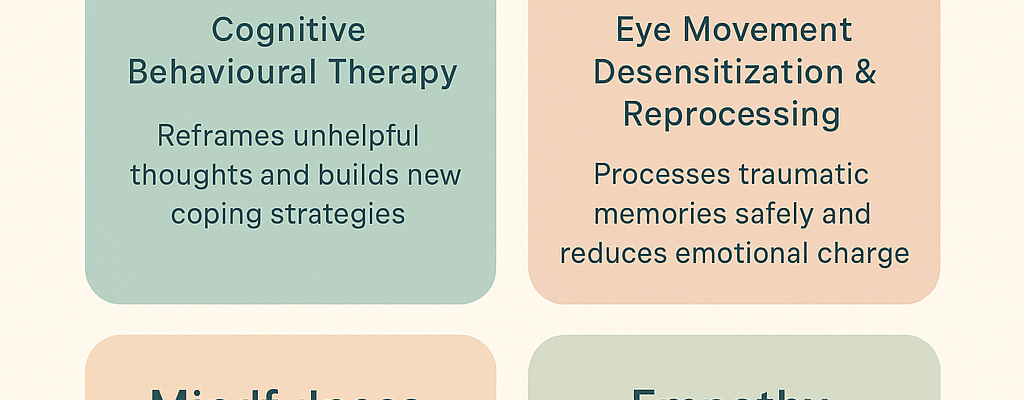
Passing the information to your psychologist and discussing it is generally a very safe and effective choice, from both psychology and neuroscience perspectives, because it allows you to process the material without carrying it alone, and it protects your nervous system. Here’s the reasoning:
1. Psychologists are trained containers for trauma
- Unlike family or acquaintances, psychologists provide a neutral, regulated space.
- Psychology: They can help you process intrusive thoughts, emotions, and guilt, reducing secondary trauma.
- Neuroscience: Talking in a safe space helps prefrontal cortex regulate the amygdala, lowering stress and preventing hypervigilance.
2. Processing without absorbing responsibility
- You do not have to interpret, investigate, or report the disclosure yourself.
- You simply share:“I received this disclosure. I did not want to know it, and I’m not responsible for it.”
- Your psychologist helps you contain and categorize it mentally, keeping your nervous system safe.
3. Reduces cognitive and emotional load
- Unsolicited disclosures can trigger:
- Hypervigilance
- Rumination
- Sleep disturbances
- Emotional numbing
- Discussing it with a professional prevents these effects from escalating, while allowing you to remain legally neutral.
4. Clarifies next steps safely
- Psychologists can guide you on:
- What is safe to keep or ignore
- How to maintain boundaries
- Whether information should be forwarded to a lawyer or authorities
- They help prevent unnecessary re-engagement or emotional “hooks.”
5. Allows trauma-informed coping
- Neuroscience shows that talking through stressful stimuli in a safe context:
- Reduces cortisol spikes
- Prevents reconsolidation of traumatic memories
- Strengthens prefrontal control over emotional circuits
- This helps you stay regulated and recover faster.
✅ Practical approach
- Save the information as received.
- Do not analyze or speculate before the session.
- Bring only the facts to your psychologist.
- Focus discussion on your reactions and boundaries, not investigating the ex or their friends/family.
Example: “I received this unsolicited disclosure about my ex. I don’t want to engage with the details myself, but I want to process how this affects me.”
Bottom line
Sharing with a psychologist:
- Is safe, protective, and therapeutic
- Keeps the legal chain intact if authorities or lawyers need it later
- Helps you regulate your nervous system
- Avoids turning you into the “holder” of someone else’s trauma
 Linda C J Turner | Trauma Therapist & Emotional Healing Specialist