How the brain and body relearn safety, trust, and self-worth
When a person finally leaves an abusive situation, the body doesn’t know it’s over right away. The nervous system has been trained to expect danger; it keeps firing alarms even in calm spaces. This is why survivors often feel jumpy, anxious, or emotionally numb long after the abuse has ended.
1. Calming the Alarm System
Chronic stress keeps the amygdala overactive and floods the body with cortisol. Healing begins with teaching the brain that it’s safe again.
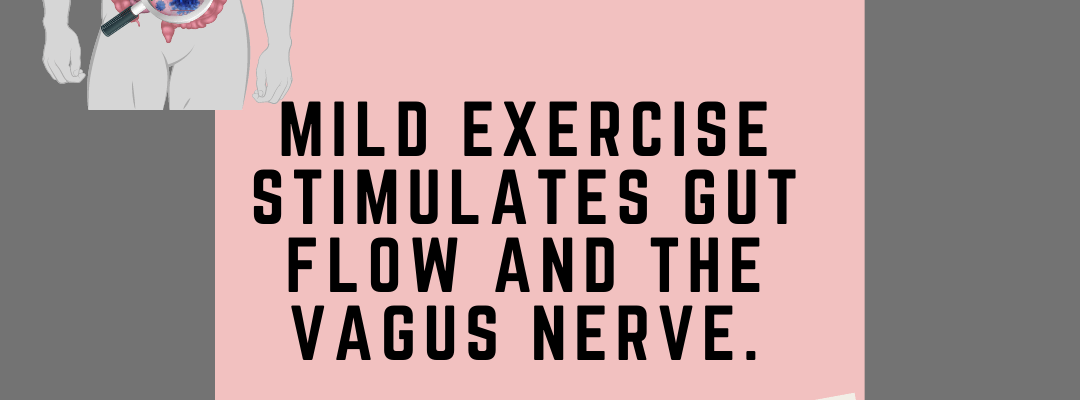
- Gentle, rhythmic movement—walking, yoga, swimming—helps the nervous system discharge stored tension.
- Slow breathing and grounding techniques activate the vagus nerve, shifting the body from fight-or-flight into rest-and-repair.
- Consistent routines and predictable environments rebuild the brain’s sense of stability.
2. Rebuilding Self-Worth
Abuse erodes the prefrontal cortex’s ability to make confident decisions. Survivors may doubt their own judgment, even about small things. Therapy, journaling, or trauma-informed support groups can help retrain these circuits by pairing self-affirming thoughts with safe experiences. Each time a person chooses self-respect over fear, new neural pathways form.
3. Restoring Trust and Connection
Isolation rewires the brain toward self-protection. Reconnection—slow, cautious, authentic—rewires it toward trust. Human contact releases oxytocin, the same chemical used to bond safely in healthy relationships. Healing relationships—whether with friends, family, or a counselor—gradually teach the brain that connection doesn’t have to hurt.
4. Processing the Story
Telling the truth, at one’s own pace, is how the hippocampus (the brain’s memory center) integrates traumatic events into a coherent narrative. This transforms chaos into context. Writing, therapy, art, or guided visualization can help move experiences from raw memory to understood history.
5. Reclaiming Joy and Purpose
As cortisol levels settle and dopamine pathways recover, survivors often rediscover curiosity, creativity, and pleasure. Joy becomes safe again. Small daily gratitudes, music, time in nature, or purposeful work awaken the reward system that was once hijacked by fear.
Healing is not forgetting. It’s the gradual return of safety to the body, truth to the mind, and peace to the heart. The same neuroplasticity that allowed abuse to shape the brain also allows recovery to reshape it.
You are not who the pain made you—you are who you become after it.
 Linda C J Turner | Trauma Therapist & Emotional Healing Specialist