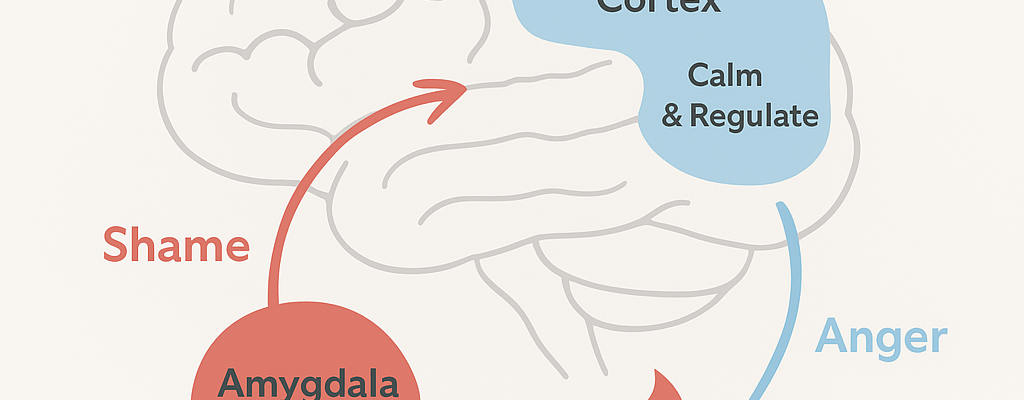
When someone says they’ll call, make plans, or express interest — and then disappears — it often feels personal, confusing, and painful. But neuroscience shows that these behaviors often reflect how their emotional brain circuits are operating, not a reflection of your worth.
1️⃣ The Role of the Amygdala: The Brain’s Alarm System
The amygdala is the brain’s emotional alarm system. It detects threat, danger, or social vulnerability and triggers a fight, flight, or freeze response.
- In relationships, intimacy can feel like a threat for some people — especially if they have past trauma, neglect, or inconsistent caregiving.
- The amygdala reacts to closeness as a potential source of pain, rejection, or loss of control, even if there’s no real danger.
- This hyperactivation can cause them to pull away suddenly, avoid contact, or break promises — classic “hot-cold” behavior.
2️⃣ The Limbic System: Emotional Hijacking
The limbic system — including the amygdala, hippocampus, and hypothalamus — governs emotions, memory, and stress responses.
- When fear, shame, or anxiety takes over, the prefrontal cortex (responsible for reasoning and decision-making) becomes less active.
- This is called limbic hijacking: emotional circuits override logical thinking.
- As a result, even if they intend to call or keep a plan, the limbic system can push them to withdraw to protect themselves emotionally.
3️⃣ Shame and Avoidance
Shame is one of the most powerful and painful emotions. It signals: “Something is wrong with me.”
- People who experience chronic shame may unconsciously avoid closeness to prevent vulnerability or exposure.
- Avoidant attachment patterns often develop when early caregivers were inconsistent, emotionally unavailable, or critical.
- When confronted with intimacy, their nervous system interprets it as a threat, triggering withdrawal behaviors like not calling, cancelling plans, or sending mixed signals.
4️⃣ Dopamine and Intermittent Attention
Your brain responds to their inconsistent behavior in a very specific way:
- Dopamine, the neurotransmitter tied to reward and motivation, spikes when they show attention or interest.
- When attention is unpredictable, your brain becomes hooked on the “maybe,” creating cycles of hope and disappointment.
- This is why dangling someone keeps them engaged — the uncertainty triggers anticipation, even if the relationship is emotionally unsafe.
5️⃣ Protecting Your Nervous System
Understanding this neuroscience helps you protect yourself:
- Recognize patterns: Hot-cold behavior is about their brain wiring and emotional history, not your value.
- Set clear boundaries: Decide what behavior you will accept — and what you won’t.
- Limit chasing: Intermittent attention keeps your dopamine system on high alert.
- Choose consistency: Spend energy with people who reliably show up — your nervous system thrives on predictability.
- Self-soothing: Practice grounding, mindfulness, or breathing exercises to calm your amygdala when uncertainty triggers anxiety.
In short: when someone disappears, cancels plans, or plays “head games,” it often reflects fear, shame, and avoidance in their brain, hijacking logical decision-making. Your peace comes from understanding this, setting boundaries, and giving your energy to people whose nervous systems and behavior align with safety, respect, and care.
 Linda C J Turner | Trauma Therapist & Emotional Healing Specialist