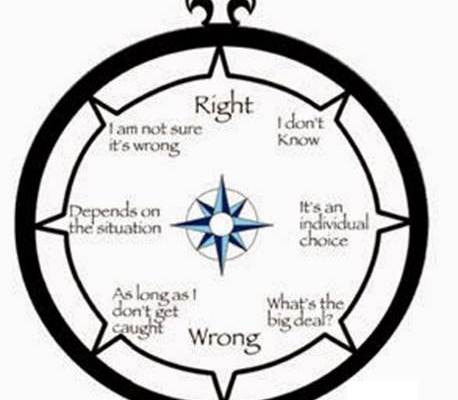
Moral equilibrium is the inner drive to restore balance when someone feels that actions or decisions have violated their own or societal moral standards. It’s the part of us that says, “I wish I had acted differently.”
Psychological Perspective
From a psychological standpoint, people often experience moral regret when they recognize that an opportunity to act with empathy or compassion was missed. This is not mere self-reproach; it reflects the brain’s intrinsic reward system reacting to social and moral behavior:
- Humans have an innate theory of mind, the ability to imagine how others feel. When we fail to act with compassion, cognitive dissonance arises — the conflict between our self-image as a “good person” and our actual behavior.
- This dissonance can motivate corrective action, either immediately or in reflection, creating a psychological drive to repair harm and restore moral balance.
Neuroscience Perspective
Neuroscience has identified key brain regions involved in moral reasoning, empathy, and regret:
- Medial prefrontal cortex (mPFC): Active when considering our own actions and moral judgments. It helps us reflect on how our behavior aligns with our values.
- Anterior cingulate cortex (ACC): Detects conflicts between actions and moral standards, creating the emotional tension of regret.
- Temporoparietal junction (TPJ): Critical for empathy — imagining another person’s perspective and feelings.
- Insula: Processes feelings of guilt or emotional pain when we recognize missed opportunities for compassion.
Research shows that people who reflect on their actions and experience moral regret are more likely to act altruistically in the future, demonstrating that moral equilibrium isn’t just a feeling — it’s a guide for behavioral correction.
In Practice
There are times when people wish they had acted differently with empathy or compassion. This is not weakness; it is the brain’s way of signaling misalignment between values and actions. It’s a subtle, internal call to restore integrity — to re-establish moral equilibrium.
 Linda C J Turner | Trauma Therapist & Emotional Healing Specialist