When humans are exposed to prolonged fear, control, or psychological manipulation, the effects go far deeper than emotions alone. Neuroscience shows us that chronic stress reshapes the brain and body in ways that explain why people become exhausted, numb, and even trapped in states of helplessness.
Emotional Exhaustion and the Brain
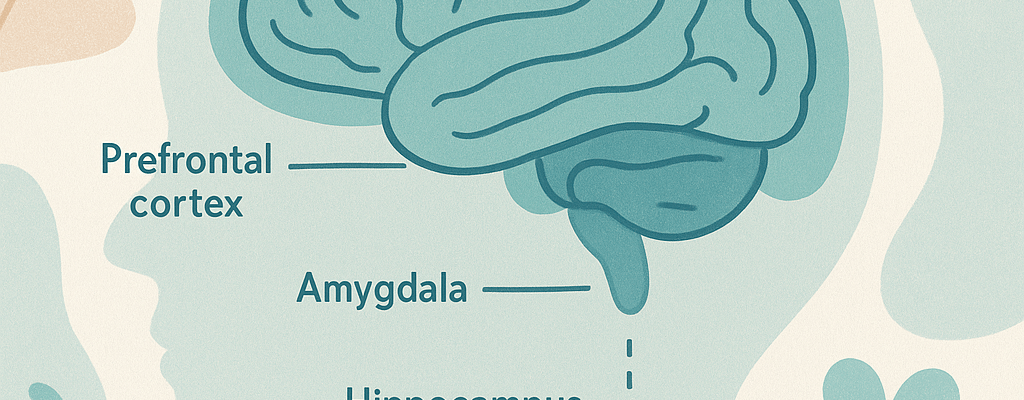
At its core, emotional exhaustion is the brain’s way of trying to defend itself from relentless stress. The amygdala—the brain’s fear center—becomes hyperactive, constantly scanning for danger. At the same time, the prefrontal cortex, responsible for rational decision-making and perspective-taking, begins to shut down under pressure.
This imbalance leads to what many describe as emotional “numbness.” Neurochemically, this often involves disruptions in dopamine and serotonin systems, leaving a person unable to feel pleasure, hope, or motivation. Instead of mobilizing energy to cope, the brain conserves resources by blunting emotional responses. The tragic result is vulnerability: when you feel nothing, it becomes easier for others to manipulate your choices.
Physiological Fallout of Chronic Stress
The brain and body are deeply interconnected. When stress is unrelenting, the hypothalamic-pituitary-adrenal (HPA) axis remains switched “on.” This system releases cortisol and adrenaline—hormones designed for short bursts of fight-or-flight.
But when kept active, these hormones wreak havoc:
- Cortisol suppresses immune function, leaving the body more prone to illness.
- Elevated blood pressure strains the cardiovascular system.
- Chronic activation of the gut-brain axis contributes to digestive problems and inflammation.
- Sleep becomes disrupted as the brain loses its natural rhythm of rest and repair.
In neuroscience, this maladaptive state is known as allostatic overload—the wear and tear on the body caused by repeated cycles of stress without recovery.
Learned Helplessness and Neural Pathways
Perhaps one of the most profound effects of chronic psychological control is learned helplessness. This phenomenon, first identified by Martin Seligman and Steven Maier, occurs when individuals learn—at a neural level—that their actions have no impact on outcomes.
Neuroimaging studies show that helplessness is linked to reduced activity in the medial prefrontal cortex, the brain region responsible for assessing choices and outcomes. At the same time, stress circuits in the amygdala and brainstem remain active, reinforcing fear and passivity. Over time, the brain essentially rewires itself to expect failure and futility, making escape or resistance feel impossible—even when opportunities exist.
Long-Term Consequences: Trauma in the Brain
The scars of psychological manipulation do not vanish when the external control ends. Many survivors experience post-traumatic stress disorder (PTSD), depression, or chronic anxiety. Neurobiologically, this reflects:
- Hippocampal shrinkage, impairing memory and orientation in time.
- Overactive amygdala, fueling hypervigilance and fear responses.
- Underactive prefrontal cortex, limiting emotional regulation and forward planning.
These patterns make daily functioning—relationships, work, even trust—more difficult, long after the immediate threat has ended.
Hope and Healing
The good news is that the brain is plastic. With the right therapeutic interventions—trauma-informed therapy, mindfulness practices, safe relational support—the neural pathways shaped by fear can be reshaped by safety and resilience. Just as the brain learned helplessness under stress, it can learn hope and agency again under conditions of trust and healing.
 Linda C J Turner | Trauma Therapist & Emotional Healing Specialist