
🧠 Rewiring the Mind After Trauma: The Neuroscience of Cognitive Restructuring
Why Survivors Often Doubt Themselves — and How the Brain Can Learn to Trust Again
After enduring emotional abuse, gaslighting, and long-term manipulation, survivors are often left with a fractured sense of self and a brain conditioned to mistrust its own signals. Even after breaking free, the mind can feel like a battlefield: flooded with doubts, riddled with confusion, and haunted by the echoes of someone else’s narrative.
This is not a weakness. It’s neuroscience. And the good news is — with the right tools and support — the brain canheal.
One of the most powerful tools in the recovery process is cognitive restructuring — a technique rooted in cognitive behavioral therapy (CBT) and backed by neuroscience. It’s about retraining the brain to challenge distorted thoughts, reframe experiences, and rewire old survival pathways into healthier ones.
Let’s explore why it’s essential for healing after trauma.
🧠 What Happens to the Brain After Abuse?
Chronic emotional abuse, especially when sustained over years, impacts the brain’s architecture and stress response systems:
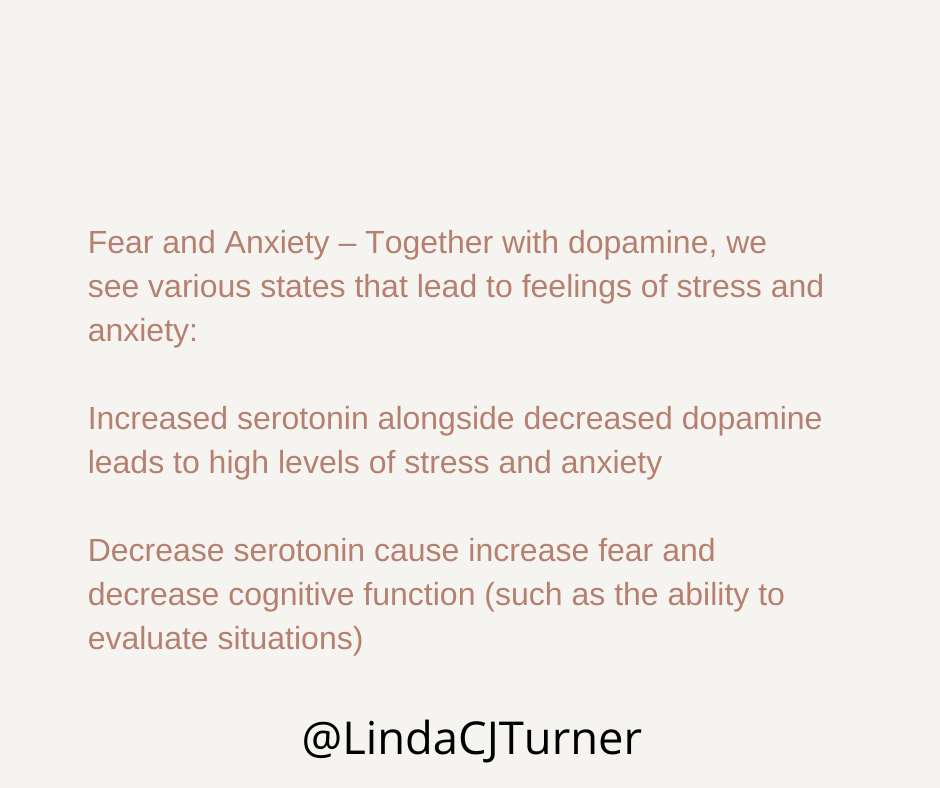
- The amygdala (the brain’s fear center) becomes hyperactive, scanning constantly for danger, even where none exists. This contributes to overthinking, reactivity, and heightened anxiety.
- The hippocampus, responsible for memory and context, often shrinks under chronic stress, making it harder to distinguish between past and present threats.
- The prefrontal cortex, which governs reasoning, decision-making, and emotional regulation, can go “offline” under stress, leaving survivors feeling overwhelmed or unable to think clearly.
These neurological patterns aren’t just emotional — they’re structural. Abuse conditions the brain to doubt, to freeze, to second-guess. Survivors might ask:
- “Am I overreacting?”
- “What if I misunderstood?”
- “Maybe it was my fault?”
This is where cognitive restructuring comes in.
🔄 What Is Cognitive Restructuring?
Cognitive restructuring is a process of identifying unhelpful thought patterns and replacing them with more balanced, evidence-based thinking. It’s not about denying the past — it’s about challenging distortions that no longer serve your present.
For example:
- From “I can’t trust anyone” → to “Some people have hurt me, but others have shown me safety.”
- From “I always get it wrong” → to “I made mistakes in a high-stress situation. That doesn’t define me.”
- From “I must be broken” → to “I’m healing from things no one should have gone through. I’m rebuilding.”
This isn’t just about positive thinking — it’s about rebuilding your neural circuitry.
🧬 The Neuroscience of Reframing
Neuroplasticity — the brain’s ability to change and form new connections — is the scientific foundation of cognitive restructuring. Every time we challenge a fearful or distorted thought and replace it with a more grounded one, we weaken the old pathway and strengthen a new, healthier one.
Over time, with repetition and emotional safety:
- The prefrontal cortex begins to regain strength and better regulate the amygdala.
- The hippocampus can start to rebuild, helping survivors sort past from present.
- The nervous system gradually comes out of hypervigilance, allowing trust, calm, and connection to emerge.
In other words: reframing your thoughts helps rewire your brain.
🧭 Key Questions in Cognitive Restructuring
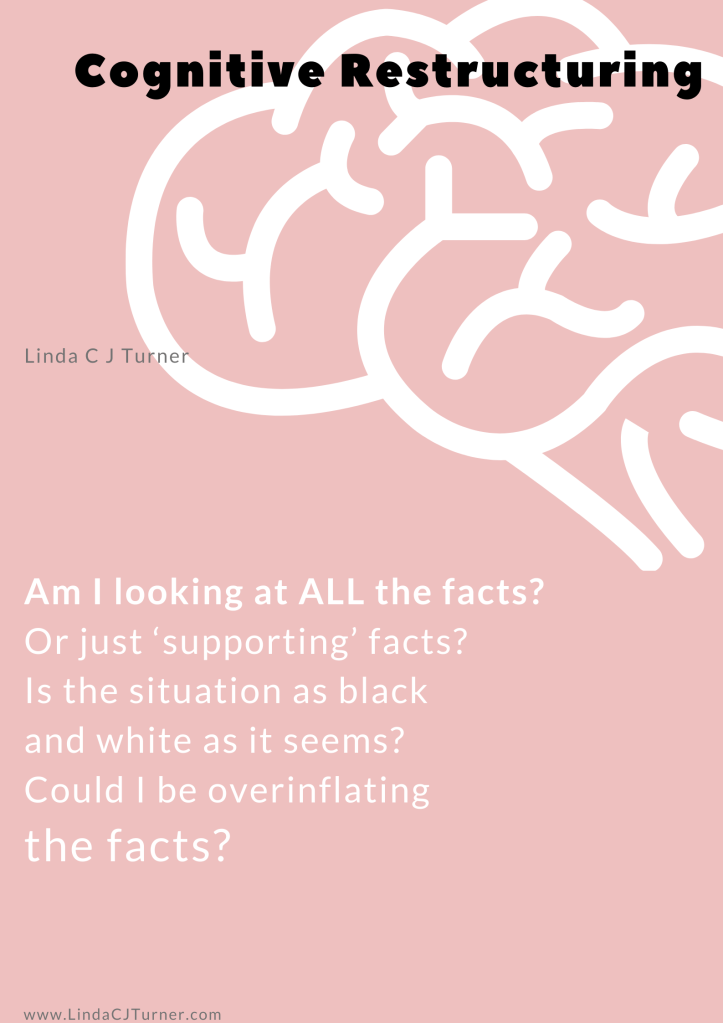
When working with cognitive restructuring — whether in therapy or on your own — it’s helpful to pause and ask:
- What evidence supports this thought? What evidence challenges it?
- Is this thought based on current reality or past conditioning?
- Would I say this to someone I love if they were in my shoes?
- Am I interpreting this through a trauma lens, or through a balanced lens?
- Are there other, equally possible explanations for what I’m experiencing?
This is not about excusing harmful behavior — it’s about reclaiming your own clarity.
🌱 Cognitive Restructuring in Practice
Many survivors benefit from combining this work with other trauma-informed practices:
- Journaling to track and challenge recurring thoughts
- Mindfulness to build awareness of emotional and physical cues
- Somatic therapies to help the body release stored trauma and create safety
- Working with a skilled trauma therapist who can help you untangle internalized narratives and reframe experiences in safe, compassionate ways
Remember: survivors of long-term abuse often carry the internalized voice of their abuser. Rewiring that voice — and replacing it with your own — takes time and intention. But it is profoundly possible.
💬 Final Thoughts: You’re Not Broken — You’re Rebuilding
If you sometimes get things wrong while you’re healing — it’s okay. Your brain is sorting through a backlog of confusion, fear, and false beliefs. Healing isn’t a straight line. It’s a spiral of remembering, reframing, and returning to yourself.
Cognitive restructuring doesn’t mean pretending everything is fine. It means saying: I’ve been through hell. But I get to choose how I think, feel, and respond now. I get to trust myself again.
With the right support, the right tools, and the right voices around you — your brain will remember who you are.
And that is one of the most powerful recoveries of all.
 Linda C J Turner | Trauma Therapist & Emotional Healing Specialist