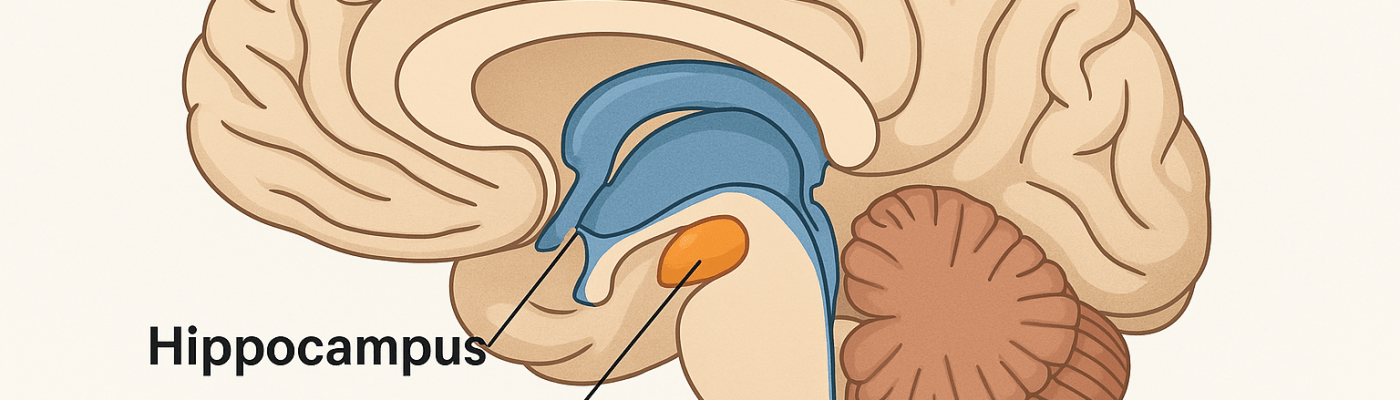
Trauma has a profound and complex impact on the brain, affecting various regions and systems. Here’s a breakdown of how trauma affects the brain scientifically:
1. The Amygdala (Fear Center)
The amygdala plays a crucial role in processing emotions, particularly fear. When someone experiences trauma, the amygdala becomes hyperactive, heightening sensitivity to potential threats. This can lead to:
- Hypervigilance: People may become overly alert, constantly scanning for danger, even in safe environments.
- Overreaction to stress: The amygdala may interpret neutral stimuli as threatening, leading to exaggerated stress responses.
2. The Hippocampus (Memory and Context)
The hippocampus is involved in forming memories and processing the context of events. Trauma can have a significant impact on its function:
- Impaired Memory Formation: Trauma, especially when experienced in early childhood, can interfere with the ability to form new memories and organize experiences coherently.
- Fragmented Memories: Traumatic events often lead to fragmented and dissociated memories, which may resurface in flashbacks or intrusive thoughts.
- Reduced Size: Studies have shown that individuals with PTSD (Post-Traumatic Stress Disorder) often have a smaller hippocampus, which may contribute to difficulties with memory and learning.
3. The Prefrontal Cortex (Decision-Making and Regulation)
The prefrontal cortex (PFC) is involved in higher cognitive functions, including decision-making, impulse control, and emotional regulation. Trauma can weaken the PFC’s ability to regulate emotional responses:
- Impaired Executive Functioning: Trauma can reduce the ability to plan, think critically, and make reasoned decisions. This may lead to difficulties in managing day-to-day life.
- Dysregulated Emotions: With a less effective PFC, emotional responses can become more intense and harder to control, contributing to mood swings or outbursts.
4. The Hypothalamic-Pituitary-Adrenal (HPA) Axis (Stress Response)
The HPA axis is a key player in the body’s stress response system. It regulates the release of stress hormones like cortisol and adrenaline:
- Chronic Stress: Trauma, especially when prolonged or chronic, can lead to overactivation of the HPA axis, resulting in an excessive release of stress hormones. This can disrupt the body’s balance, leading to issues like:
- Hyperarousal: Constantly being in a “fight-or-flight” mode.
- Cortisol Dysregulation: Elevated cortisol levels can lead to fatigue, depression, and anxiety, while low levels can make it difficult to respond effectively to stress.
- Burnout: Prolonged stress may contribute to burnout or chronic fatigue, often seen in individuals who’ve experienced long-term trauma.
5. Neuroplasticity and Trauma Recovery
Neuroplasticity refers to the brain’s ability to reorganize itself by forming new neural connections in response to learning or injury. Trauma can both hinder and enhance neuroplasticity:
- Negative Impact: Chronic trauma may impair the brain’s ability to adapt and heal, reinforcing maladaptive patterns of thinking, feeling, and behaving.
- Potential for Recovery: However, through therapies like trauma-focused cognitive behavioral therapy (CBT), mindfulness, or EMDR (Eye Movement Desensitization and Reprocessing), the brain can create new pathways to heal, reduce hyperarousal, and regain emotional balance.
6. Changes in Brain Structure and Function
Research has shown that trauma can lead to lasting changes in the structure and function of several brain areas:
- Smaller Hippocampus: As mentioned, trauma may shrink the hippocampus, leading to memory and learning difficulties.
- Overactive Amygdala: A hyperactive amygdala results in heightened emotional responses and heightened fear.
- Reduced Prefrontal Cortex Activity: A reduced ability to regulate emotions and make decisions logically, making it harder to cope with stress and manage emotional responses effectively.
7. Chronic Trauma and Neurodegeneration
Over time, chronic trauma can increase the risk of developing neurodegenerative conditions, including Alzheimer’s disease and other forms of dementia. This is due to the sustained inflammation and hormonal imbalances that trauma can trigger in the brain.
8. The Default Mode Network (DMN) and Dissociation
The Default Mode Network (DMN) is a network of brain regions that becomes active when the mind is at rest and not focused on the outside world. Trauma can affect the DMN, leading to:
- Dissociation: Many trauma survivors report feelings of detachment from their bodies or reality. This dissociation may be linked to overactivity in the DMN.
- Self-Perception Disturbances: Trauma can cause individuals to lose a coherent sense of self, leading to feelings of shame, guilt, and disconnection from their own identity.
9. Trauma and Social Cognition
Trauma can affect how we understand and relate to others:
- Difficulty with Empathy: Trauma survivors may find it difficult to empathize with others, or conversely, they may become overly empathetic due to emotional overload.
- Trust Issues: Trust in others can be severely impaired, especially if the trauma involved betrayal or manipulation.
10. Epigenetic Changes
Trauma can leave marks on the genome itself, through a process called epigenetics:
- Gene Expression: Traumatic experiences may change how certain genes are expressed, influencing the brain’s response to stress. These changes can be passed down to offspring, potentially influencing their susceptibility to trauma-related disorders.
In Conclusion:
Trauma impacts nearly every aspect of the brain’s functioning. From disrupting emotional regulation to impairing memory and creating lasting changes in brain structure, trauma can fundamentally alter how the brain processes information, reacts to stress
 Linda C J Turner | Trauma Therapist & Emotional Healing Specialist