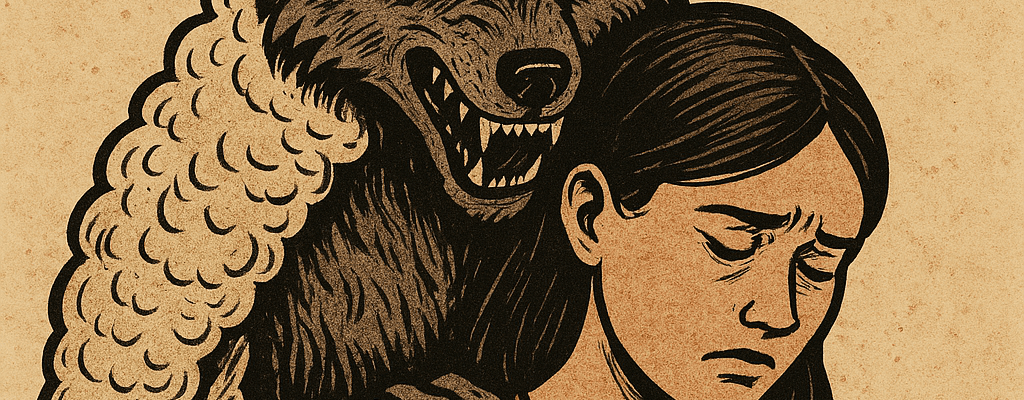
Serial abusers often fit a distinct and recognizable pattern of behavior, even though the specifics can vary depending on the individual. However, certain traits and tendencies can help identify these individuals, who repeatedly engage in abusive behavior across different relationships.
Here’s a general picture of a serial abuser:
- Charm and Manipulation: In the early stages, they are often extremely charming, persuasive, and flattering. They may come across as loving and attentive, luring victims into a false sense of security. They often know exactly what to say to make their targets feel special, desired, and loved, which makes it harder for victims to recognize the abuse when it begins.
- Cycle of Abuse: Serial abusers often follow a well-established cycle of abuse:
- Tension building: Subtle manipulations, belittling comments, and controlling behaviors start to emerge.
- Explosion: This is when the actual abuse occurs, whether it’s physical, emotional, or psychological.
- Honeymoon phase: After the abuse, the abuser may apologize, cry, and promise to change. They may make grand gestures of affection and remorse to convince the victim that the abuse will never happen again.
- Lack of Accountability: Serial abusers rarely take responsibility for their actions. They often blame their victims or external circumstances (stress, alcohol, etc.) for their behavior. They may use excuses like “I didn’t mean to do it” or “You made me angry,” which deflects blame from the abuser onto the victim.
- Repeated Patterns in Relationships: Serial abusers tend to engage in abusive behavior across multiple relationships. They may have a history of failed marriages, restraining orders, and accusations of abuse. The relationship patterns tend to follow the same trajectory, with initial love bombing, then control, isolation, and eventually abuse.
- Isolation and Control: Abusers often isolate their victims from friends, family, and other support systems. This ensures that their behavior goes unnoticed and unchallenged, creating a situation where the victim feels trapped, with nowhere to turn for help.
- Tendency to Escalate: If their behavior goes unchecked, serial abusers tend to escalate their tactics over time. The abuse can become more severe, the manipulation more refined, and the control more overt.
- Superficial Change: If an abuser is confronted or if there are legal consequences, they may make superficial changes to their behavior to manipulate the situation. They might attend therapy or counseling, but often only because it’s required (either by the court or to appease the victim) and not because they genuinely want to change. These changes tend to be short-lived and revert when pressure decreases.
- Jealousy and Possessiveness: A serial abuser often exhibits extreme jealousy and possessiveness. They see their partner as an extension of themselves and are constantly trying to control who they interact with, where they go, and even what they wear.
- Chronic Victim Blaming: The abuser is rarely at fault in their own mind. They may accuse their victims of being the “real abusers,” creating a narrative in which they portray themselves as the victim of the situation. This is a manipulation tactic that further disorients the victim and makes them question their own reality.
The core issue with serial abusers is their lack of genuine remorse or willingness to change. Without accountability, they are likely to continue their harmful patterns indefinitely, leaving a trail of broken relationships and shattered lives in their wake. For those in these situations, recognizing these patterns early on is crucial to breaking free and protecting themselves.
 Linda C J Turner | Trauma Therapist & Emotional Healing Specialist