Transactional, one-sided, and emotionally empty.

There are identifiable neuroscience and psychology mechanisms behind why so many interactions now feel transactional, one-sided, and emotionally empty. I’ll break this down clearly and without platitudes. 1. The brain has shifted from social bonding to resource extraction Humans evolved for reciprocal bonds. The nervous system expects: But modern stress rewires the brain toward survival efficiency instead of connection. Chronic stress does this… Read More Transactional, one-sided, and emotionally empty.

When calm unsettles someone

Calm feels threatening to these people because calm removes the very thing their nervous system depends on to feel real, powerful, or regulated. This isn’t metaphorical — it’s neurological. Here’s what’s happening underneath the behavior. 1. Calm Starves Their Reward System For people who provoke reactions, emotional intensity is the reward. Provocation → your reaction → dopamine.… Read More When calm unsettles someone

Pushing your buttons

When someone openly admits they push your buttons “to see you react,” it’s not accidental or unconscious — it’s deliberate and rewarding to them. Here’s what’s happening neurologically and psychologically. 1. They Are Regulating Themselves Through Your Reaction For some people, especially those with coercive, antagonistic, or narcissistic traits, other people’s emotional reactions function as a… Read More Pushing your buttons

Abusers do not seek connection — they seek regulation.

When an abuser leaves reminders, resurfaces after long no-contact, or engineers moments where you “happen” to see them, there is a very specific neuropsychological mechanism at play. I’ll break it down clearly and calmly. The Core Truth Abusers do not seek connection — they seek regulation. They use you to regulate their nervous system, identity, and sense of… Read More Abusers do not seek connection — they seek regulation.

Familiar pain feels safer than new peace

People relapse back into trauma bonds not because they’ve “forgotten the harm”, but because the brain temporarily prioritizes relief over truth when under stress. This relapse is neurological, predictable, and explainable — which is why understanding it removes self-blame and increases recovery. Here’s what’s really happening. 1. Stress Shrinks the Brain’s Time Horizon Under stress, the brain shifts… Read More Familiar pain feels safer than new peace

The Withdrawal Phase Is Neurological, Not Emotional

No-contact works not because it’s harsh, but because it gives the brain the conditions it needs to rewire. Neurologically, it interrupts addiction-like circuits, stabilizes the nervous system, and allows neuroplastic change to occur. Here’s what’s actually happening in the brain. 1. No-Contact Stops the Reward–Withdrawal Loop In trauma bonds and unstable long-term relationships, contact triggers: Every message,… Read More The Withdrawal Phase Is Neurological, Not Emotional

Endings Are Not “Failure Signals” to the Brain

From a neural perspective, the brain is not designed to preserve everything—it’s designed to optimize for survival, efficiency, and meaning. When something ends (a relationship, role, identity, environment), the brain initially registers: But once safety is re-established, the brain does not cling blindly. It begins a process called adaptive pruning. Just as the brain prunes unused synapses during development,… Read More Endings Are Not “Failure Signals” to the Brain

Why calm truth destabilises abusers more than anger

1. Anger keeps the abuser in control of the nervous-system dance Abusers are neurologically accustomed to high arousal states: From a brain perspective, anger keeps both people in the same threat loop.The abuser knows this terrain well — they have practiced it for years. Calm removes that loop. 2. Calm truth shuts down projection Projection only works… Read More Why calm truth destabilises abusers more than anger

From survival mode to safety mode

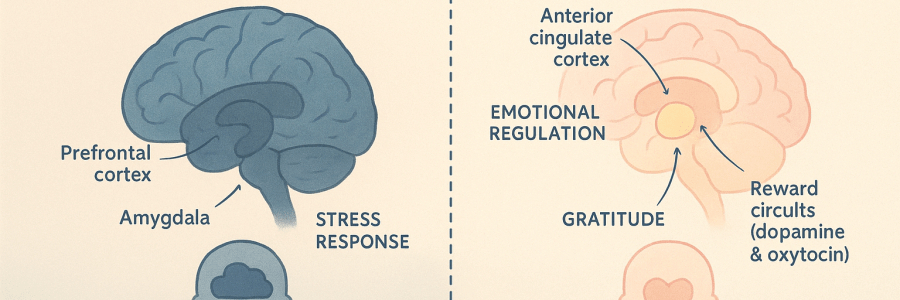
1. From survival mode to safety mode For decades, your brain and body were likely dominated by the threat system: Neuroscience shows that long-term emotional abuse keeps the amygdala (threat detector) overactive, while the prefrontal cortex (reasoning, reflection, calm decision-making) gets suppressed. What you’re feeling now — peace, wholeness, comfort — signals a shift into parasympathetic dominance, often called rest and digest.… Read More From survival mode to safety mode