Key Principles of Heart–Brain Neurodynamics

Let’s dive into the heart–brain neurodynamics—how the heart and brain communicate, influence each other, and regulate physiology, emotion, and cognition. I’ll break it down systematically. 1. Heart–Brain Communication Pathways The heart and brain are constantly exchanging information through several channels: A. Neural Pathways Senses heart rate, pressure, and rhythm → informs brain about internal state. Stimulates ventral vagal pathway →… Read More Key Principles of Heart–Brain Neurodynamics

1. What is the “Intelligence of the Heart”?

The term comes from heart–brain science, polyvagal theory, and biofeedback research. It refers to the heart’s ability to sense, respond, and influence physiological, emotional, and cognitive states. Physiological intelligence: The heart communicates continuously with the brain via vagus nerve signals, baroreceptors, and hormonal feedback loops. Emotional intelligence: Heart-focused attention can enhance self-awareness, emotional regulation, and resilience. Behavioral intelligence: Cultivating heart coherence supports decision-making,… Read More 1. What is the “Intelligence of the Heart”?

HRV Biofeedback Cheat Sheet for Self-Regulation

1. Tools You’ll Need Tool Purpose Tips Chest strap HR monitor (Polar H10, Wahoo, Garmin) Most accurate HRV measurement Comfortable, wear snug but not tight Smartwatch or ring (Apple Watch, Oura, Garmin) Convenient HRV tracking Best for daily trends, not precise metrics HRV Biofeedback app (Elite HRV, Inner Balance, HeartMath, Kubios) Real-time feedback & guided… Read More HRV Biofeedback Cheat Sheet for Self-Regulation

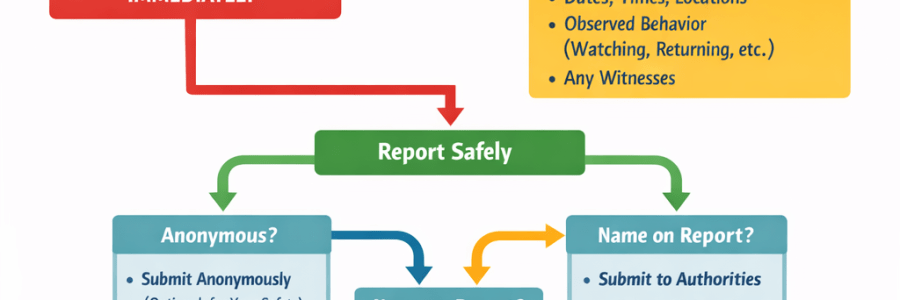
You are usually not in danger for reporting — especially if you do it correctly

When you report concerns, not accusations, and you do it through the proper channels, you are generally protected. Why reporting is safer than staying silent Authorities expect third-party reports — they rely on them. You are not responsible for proving anything. You are not accusing — you are passing on information so trained professionals can assess risk. Silence protects abusers; reporting transfers… Read More You are usually not in danger for reporting — especially if you do it correctly

Regulate, Repair, and stay Resilient.

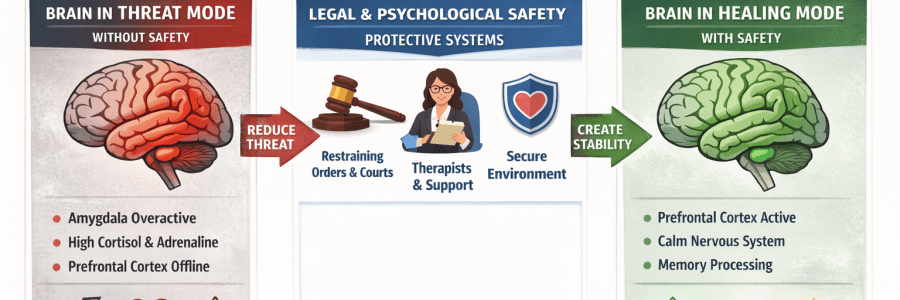
Staying physically and mentally healthy is a cornerstone of trauma recovery. Recovery isn’t just emotional; the body and mind need support to regulate, repair, and stay resilient. Here’s a structured approach for maintaining wellness during recovery: 1. Medical Health Regular check-ups keep you grounded and prevent neglect of your body: Hospital / GP visits: Annual or as advised… Read More Regulate, Repair, and stay Resilient.

The Exact Internal Moment When Strength Reclaims Itself

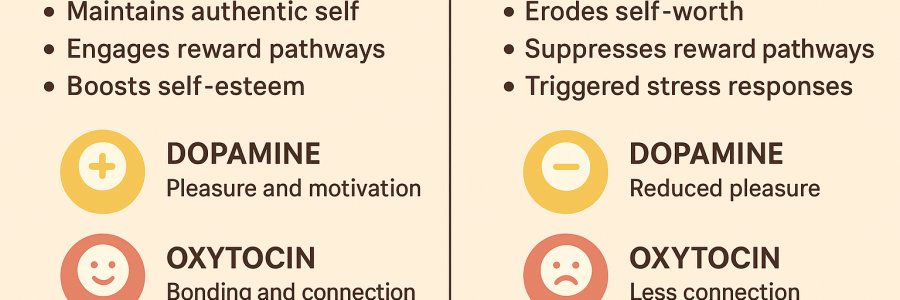
This is often subtle and gradual, not dramatic. Neuroscience + psychology line up here: Signal What’s Happening Internally Outcome Sudden clarity Prefrontal cortex takes control over amygdala-driven fear loops Realisation: I don’t have to negotiate my worth anymore Shift from hope to self-interest Dopamine cravings from intermittent reinforcement fade Attachment energy is redirected internally Internal boundary… Read More The Exact Internal Moment When Strength Reclaims Itself

Write the ending your brain didn’t get ✍️

Alright — here’s how to consciously close a Zeigarnik loop, step by step, in a way your nervous system can actually accept (not just your logic). This isn’t about “getting over it.”It’s about finishing the story your brain keeps replaying. Step 1: Name the open loop (precisely) Your brain can’t close what’s vague. Instead of: “I miss them” “I… Read More Write the ending your brain didn’t get ✍️

What is the Zeigarnik effect?

The Zeigarnik effect is a psychological phenomenon where the brain remembers unfinished or interrupted experiences more strongly than completed ones. In simple terms: Your brain hates open loops. If something ends cleanly, the brain files it away.If something ends mid-emotion, mid-story, mid-hope — the brain keeps replaying it. Why it’s brutal in relationships 💔 Romantic situations are perfect Zeigarnik traps because… Read More What is the Zeigarnik effect?

Why Some Abusers Escalate Once More Before Stopping

This is called an extinction burst in neuroscience and behavioural psychology. It happens when a behaviour that used to work suddenly stops working. 1️⃣ The Brain Detects Reward Loss When a survivor enforces boundaries or goes silent, the abuser’s brain experiences: loss of regulation loss of dopamine reward loss of control confirmation 🧠 The brain registers: “My usual… Read More Why Some Abusers Escalate Once More Before Stopping