Healthy Reciprocity: Building Safety and Reward in Relationships

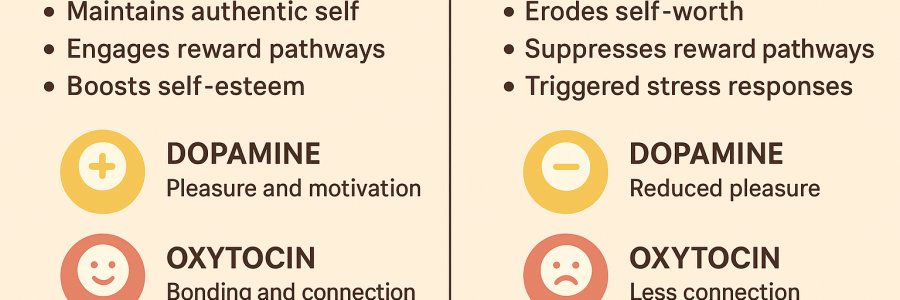
Reciprocity is the backbone of trust, emotional safety, and attachment. It works because your brain and nervous system are wired to seek predictable, rewarding interactions. 1. The Neurochemistry of Reciprocity When someone consistently responds to your needs — emotionally, physically, or socially — your brain releases key neurochemicals: Neurochemical Role Effect on Relationships Oxytocin Bonding hormone Promotes… Read More Healthy Reciprocity: Building Safety and Reward in Relationships

Understanding High DASH Scores and MARAC High-Risk Classification

1. What the Scores Indicate 2. Neuroscience Perspective 3. Psychological Perspective 4. Implications for Safety and Intervention Key Takeaway: A DASH score of 21/27 and high-risk MARAC classification reflects serious, multi-faceted risk. Neuroscience shows that victims’ brains are in a chronic stress state, while perpetrators are neurologically and psychologically primed for escalation. Immediate, coordinated intervention is essential to… Read More Understanding High DASH Scores and MARAC High-Risk Classification

Coercive Legal Tactics: Neuroscience & Psychology

Let’s unpack this. 1. Coercive Control: Psychological Mechanism Definition:Coercive control is a pattern of behaviour intended to dominate, intimidate, and control another person. It can be subtle (manipulation, threats) or overt (legal or physical threats). Mechanisms at play here: 2. Legal Threats as Psychological Weapons 3. Why People Fall Into Pressure Traps From a neuroscience… Read More Coercive Legal Tactics: Neuroscience & Psychology

Intergenerational Transmission of Anxiety and Social Dysfunction:

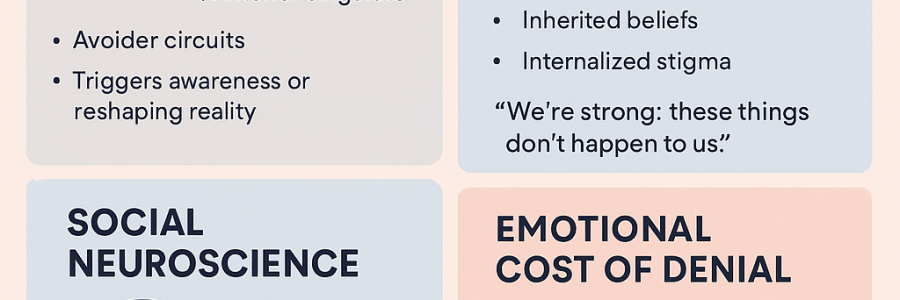
A Research-Heavy Neuroscience & Psychology Overview** Modern science overwhelmingly supports the reality that anxiety and social functioning problems can be inherited— not only genetically, but through epigenetic modification, neurodevelopmental programming, and learned behavioral patterns across generations. This phenomenon is known as intergenerational transmission of trauma, epigenetic inheritance, and transgenerational stress programming. Below is a comprehensive explanation. 1. Epigenetic Transmission of Stress… Read More Intergenerational Transmission of Anxiety and Social Dysfunction:

Letting Go!

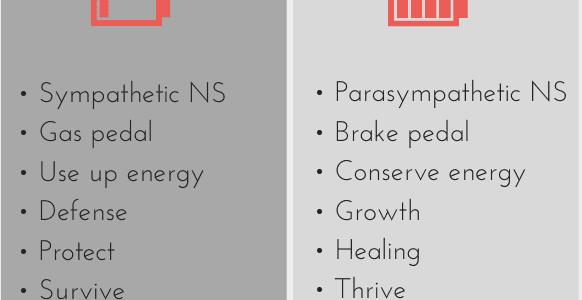
Life has a strange way of opening up only when your nervous system stops running in survival mode.When you’re anxious, fearful, or desperate, your brain goes into threat response — fight, flight, or freeze.In that state, you can’t see clearly, you can’t choose calmly, and you can’t receive anything new.Your whole system is focused on protecting you,… Read More Letting Go!

Reclaiming Your Mind After Decades of Deception: A Neuroscience Perspective

Living under prolonged deception—whether in relationships, work, or family—can leave deep imprints on the brain and nervous system. Over time, patterns of mistrust, hypervigilance, and self-doubt can become embedded, making it feel impossible to trust your own mind. Neuroscience shows that recovery is not only possible—it’s a process of rewiring your brain and restoring self-trust. 1.… Read More Reclaiming Your Mind After Decades of Deception: A Neuroscience Perspective

When Your Nervous System Heals: The Neuroscience of Liberation After Trauma

For decades, trauma can leave your nervous system on high alert, always scanning for danger and making you reactive to others’ behavior. You might have found yourself: When the nervous system begins to regulate, something remarkable happens: you start making decisions from a place of safety, not fear. 1. Nervous System Dysregulation in Trauma Trauma reshapes… Read More When Your Nervous System Heals: The Neuroscience of Liberation After Trauma

Why Your Body Knows He Loves You Before Your Mind Does(Neuroscience + Psychology)

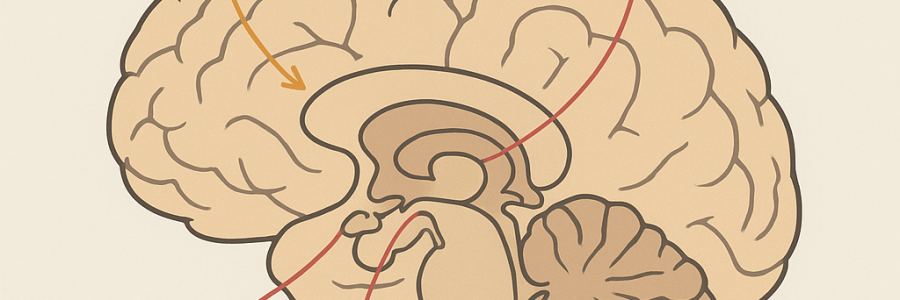
One of the most fascinating things about relationships is this: Your body often knows a man is falling back in love with you long before your mind catches up.Here’s the science behind it. 1. Your nervous system detects emotional safety first The human brain is wired to scan for safety. The amygdala and lower brain regions track… Read More Why Your Body Knows He Loves You Before Your Mind Does(Neuroscience + Psychology)