Sociopathy vs Psychopathy:

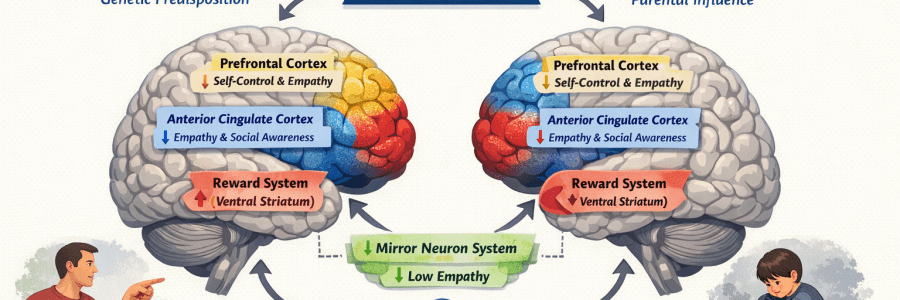
Understanding the Crossover 1. Both fall under the same umbrella: Antisocial Personality Disorder (ASPD) Think of ASPD as the wider category.“Sociopathy” and “psychopathy” are subtypes or patterns within it. So yes — they can look similar.But they develop differently and behave differently. 2. The Key Difference: Sociopathy = emotional dysregulation.Psychopathy = emotional disconnection.** Sociopathy usually involves: Psychopathy is different: Sociopaths feel too… Read More Sociopathy vs Psychopathy:

When Sociopathy Goes Wrong: How Anger Becomes Abuse

Sociopathy (ASPD traits) by itself does not automatically lead to abuse or violence.Many sociopathic people live calm, structured, pro-social lives. But certain combinations of traits can create a volatile system — especially when unregulated anger gets added.It’s the mix that matters, not the label. Below is what typically happens when sociopathy does turn destructive. 1. The Missing Brake Pedal Neurotypical people often feel an immediate emotional… Read More When Sociopathy Goes Wrong: How Anger Becomes Abuse

It’s not accidental.

Some people really are like that — bitter, twisted, and determined to poison moments that should be joyful. But their behaviour isn’t mysterious. It comes from very predictable psychological patterns. Here’s what’s actually going on underneath: 1. When someone ruins every celebration, it’s usually about control Celebrations take the spotlight away from them. Birthdays, Christmas, Valentine’s Day —… Read More It’s not accidental.

Lack of Social Awareness: When Fantasy Meets Reality

By Linda C. J. Turner | Trauma Therapist & Neuroscience Practitioner© LindaCJTurner.com Sometimes the people around us — partners, friends, or relatives — behave in ways that leave us cringing, embarrassed, or frustrated. They make events all about themselves, seek recognition, exaggerate achievements, or invent stories to seem more impressive than they are. This isn’t… Read More Lack of Social Awareness: When Fantasy Meets Reality

1. Psychological and Emotional Background

Predatory behavior often arises from unresolved psychological needs or personality patterns. Common factors include: 2. Family and Upbringing Factors Certain family environments can shape predatory tendencies: 3. Environmental and Social Factors Beyond upbringing, society and environment can reinforce predatory tendencies: 4. Psychological Mechanisms Predators often share certain thought patterns: 5. Not Inevitable It’s important to note: not everyone with… Read More 1. Psychological and Emotional Background

The Psychology of the Lifestyle Predator: When Charm Masks Dependency

By Linda C. J. Turner | Trauma Therapist & Neuroscience Practitioner© LindaCJTurner.com They don’t come with a warning label.They arrive charming, engaging, even slightly wounded — speaking of deep values, simplicity, “authentic living.” They seem low-maintenance, emotionally aware, perhaps even spiritual. But beneath the surface lies a driving agenda: survival through someone else’s stability. They are… Read More The Psychology of the Lifestyle Predator: When Charm Masks Dependency

💣 Common Tactics During Divorce & Property Division

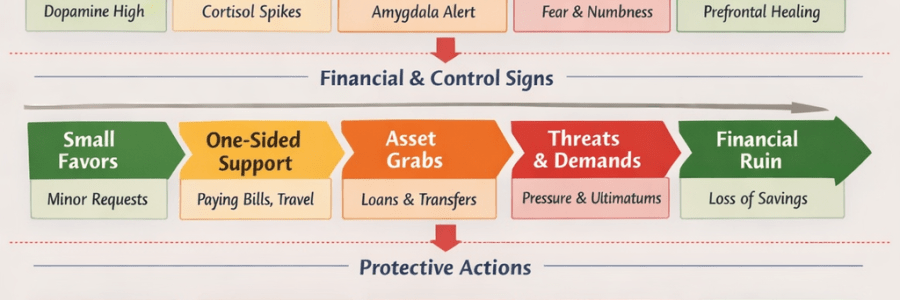
When you’re divorcing someone who has been financially or physically abusive, the process often becomes an extension of the control and intimidation that existed in the relationship. Understanding what to expect can help you prepare emotionally, legally, and strategically. Here’s a trauma-informed breakdown of common divorce tactics used by abusers, followed by practical ways to protect yourself.… Read More 💣 Common Tactics During Divorce & Property Division

Playing cruel games

When someone deliberately plays cruel games with a person who’s already survived horrific trauma, it’s not “just relationship drama.” It’s psychological harm that exploits vulnerability and the brain’s attachment systems. Below I explain the types of people who do this, the neuroscience and psychology behind it, concrete behavioral examples, the typical impact on trauma survivors, and practical… Read More Playing cruel games

🧩 1. Psychological and Personality Traits of Abusers Who Kill

When intimate-partner violence escalates into homicide, it usually involves a predictable combination of personality traits, psychological dynamics, and neural patterns linked to control, fear, and rage. Let’s unpack this from three lenses: psychology, motivation, and neuroscience 👇 🧩 1. Psychological and Personality Traits of Abusers Who Kill Not all abusers who kill share the same personality type, but research shows clear patterns.… Read More 🧩 1. Psychological and Personality Traits of Abusers Who Kill