🔎 Attachment-Style Lens: Love vs. Security

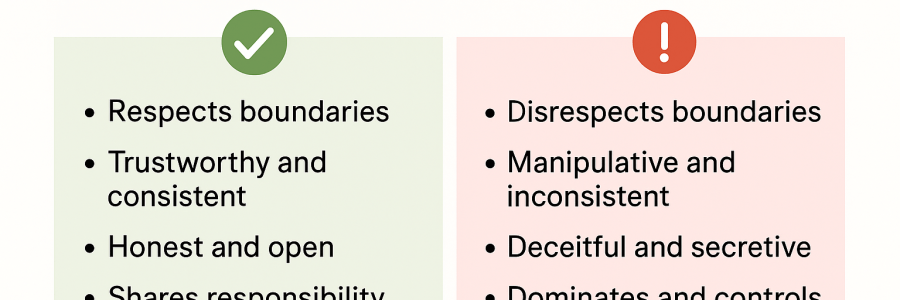
Perfect — let’s bring in attachment theory, because it really shows how people can confuse love with securitydepending on their early experiences and nervous system patterns. 🔎 Attachment-Style Lens: Love vs. Security 1. Secure Attachment 2. Anxious Attachment 3. Avoidant Attachment 4. Disorganized (Fearful-Avoidant) Attachment 💡 The Core Confusion 👉 So in short:

Preparing a Divorce Court Case: Evidence of Asset Concealment, Family Involvement, and Forensic Mobile Phone Analysis

Divorce proceedings often become more complex when one partner attempts to conceal assets, involves family members to obscure financial trails, or manipulates digital evidence. Preparing your case with clear, admissible evidence is crucial for presenting a strong argument in court. Below is a structured guide on the types of evidence, collection strategies, and psychological considerations… Read More Preparing a Divorce Court Case: Evidence of Asset Concealment, Family Involvement, and Forensic Mobile Phone Analysis

Healing Trauma and Attachment

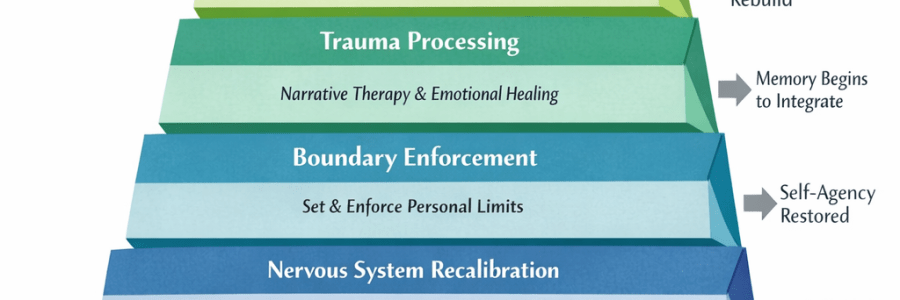
Trauma can profoundly shape the way we form attachments, influencing both our relationships and emotional patterns. Here’s a clear breakdown: 1. Basics of Attachment Styles Attachment theory identifies four main styles: 2. How Trauma Shapes Attachment Trauma—especially early childhood trauma such as neglect, abuse, or inconsistent caregiving—can disrupt the formation of secure attachment: a. Anxious… Read More Healing Trauma and Attachment

Attachment styles

Attachment styles are patterns of relating to others that develop early in life, typically based on interactions with caregivers, and continue to influence relationships in adulthood. They shape how we perceive intimacy, trust, dependence, and emotional regulation. From psychology and neuroscience perspectives, attachment styles are linked to brain circuits involved in emotion regulation, social cognition,… Read More Attachment styles

Letting go of attachments

Letting go of attachments—whether to people, possessions, or identities—is a profound challenge. From both neuroscience and psychology perspectives, this difficulty stems from the deep-rooted nature of attachment systems in the brain and the complex interplay between early experiences, emotional regulation, and cognitive patterns. 🧠 The Neuroscience of Attachment Attachment behaviors are deeply embedded in our… Read More Letting go of attachments

Physical, emotional, and financial abuse.

You want to present evidence in court showing physical, emotional, and financial abuse. Here’s a structured approach for each type with practical steps and evidence you can gather. I’ll break it down clearly so it can serve as both a checklist and a guide for your case. 1. Physical Abuse Definition: Any intentional bodily harm or threat… Read More Physical, emotional, and financial abuse.

🏦 Hidden Assets & Deception

Here’s a structured list of the main forms of financial abuse in domestic or family settings — especially where control, coercion, and hidden assets are involved. 💳 Direct Control of Money 🏦 Hidden Assets & Deception 📉 Economic Sabotage 🏠 Property & Asset Control 🧾 Manipulation of Legal / Financial Systems 🍽️ Day-to-Day Financial Abuse ⚠️ Key Finding (from research & case law):

Reported strangulation / non-fatal strangulation

Reported strangulation / non-fatal strangulation (i.e. choking, strangling, suffocating) in domestic/intimate partner / domestic violence. Data are still scarce, with variation by country, study population, and whether hospital/forensic or police data. Key Statistics on Strangulation in Domestic / Intimate Partner Violence Statistic Value / Range Population / Setting Notes Lifetime prevalence of non-fatal intimate-partner strangulation among… Read More Reported strangulation / non-fatal strangulation