🧠 Neuroscience & Psychology of Abusive Family Systems

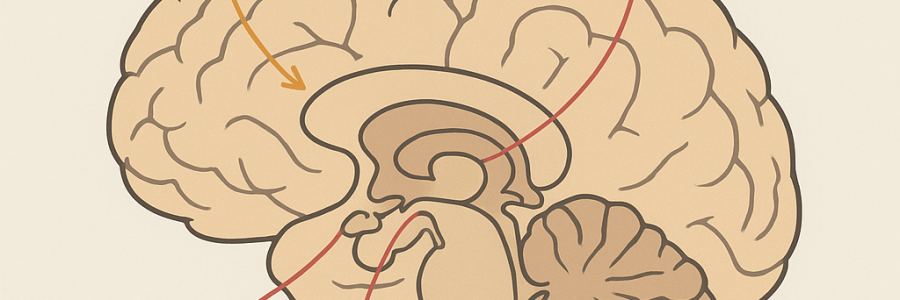
When an entire family becomes abusive — locking you out, controlling finances, stalking, sending threats — this reflects a collective dysfunction of empathy, power, and fear.From both neuroscience and psychology, several key mechanisms explain this: 1. Collective Trauma & Learned Behavior In many abusive families, destructive patterns are learned, repeated, and reinforced over generations. Each family member unconsciously plays… Read More 🧠 Neuroscience & Psychology of Abusive Family Systems

Detecting Hidden Violent Tendencies: What Psychologists Look For

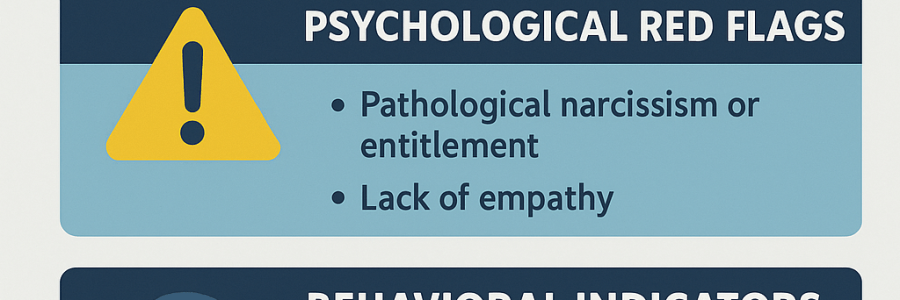
Even when someone seems calm in public, experts can spot warning signs behind closed doors. These signs are subtle and often show up in behavior, speech, or even social media activity. 1. Neuroscience Clues 2. Psychological Red Flags 3. Behavioral Indicators in Interviews 4. Social Media Signals 5. Structured Assessments Psychologists may use validated tools to evaluate risk:… Read More Detecting Hidden Violent Tendencies: What Psychologists Look For

When an Abuser Takes Pleasure in Your Pain: The Neuroscience Behind Emotional Sadism

Some individuals derive satisfaction from inflicting emotional or psychological pain. This behavior, often called emotional or psychological sadism, is more than just cruelty—it’s rooted in specific patterns of brain activity and psychological traits. Understanding the neuroscience can help victims recognize the danger and reclaim their power. 1. Reward Pathways and Pleasure from Pain Research shows that in… Read More When an Abuser Takes Pleasure in Your Pain: The Neuroscience Behind Emotional Sadism

🧠 Why Danger Escalates After Leaving

The period after leaving an abusive partner is often the most dangerous, and neuroscience helps explain why. Here’s a detailed guide on warning signs, brain-based responses, and why they shouldn’t be ignored, even when law enforcement is involved. 🧠 Why Danger Escalates After Leaving When a victim leaves, the abuser experiences it as a loss of control — literally a threat… Read More 🧠 Why Danger Escalates After Leaving

🧠 The Pathological Fusion of Love and Control

Understanding the Neuroscience of Possessive Abuse At first glance, people who commit intimate-partner violence often claim they acted out of love — that they “couldn’t bear to lose” their partner. But psychologists and neuroscientists know that what drives them isn’t love; it’s a pathological fusion of attachment and control — a wiring error deep within the emotional… Read More 🧠 The Pathological Fusion of Love and Control

🌍 The Beauty of Real Connection: A Journey of Healing and Growth

It’s amazing how far we can come in just a year.When I look back, I see not just time passed — but transformation. I’ve met wonderful people from all corners of the world — men and women — who’ve brought genuine joy, laughter, and light back into my life. Some connections remain close, others have… Read More 🌍 The Beauty of Real Connection: A Journey of Healing and Growth

1. Shifty Eyes & Dark Pupils

2. Foot Tapping & Restless Movements 3. Rapid Emotional Shifts (Crying → Laughing) What Type of Behavior Is This? In short, this is a combination of masking + leakage + emotional dysregulation. The person is trying to control how others perceive them, but subtle cues (eyes, movements, and sudden emotional shifts) reveal their internal turmoil.

The Hidden Self: How People Mask True Feelings Through Posture and Expression

When we meet someone, the way they carry themselves—posture, facial expression, and overall body language—often tells a deeper story than words can convey. Recent observations from a session with a psychologist illustrate how subtle cues can reveal hidden vulnerabilities, even in those who seem confident and composed. Standing Tall, Feeling Small During a session, my… Read More The Hidden Self: How People Mask True Feelings Through Posture and Expression