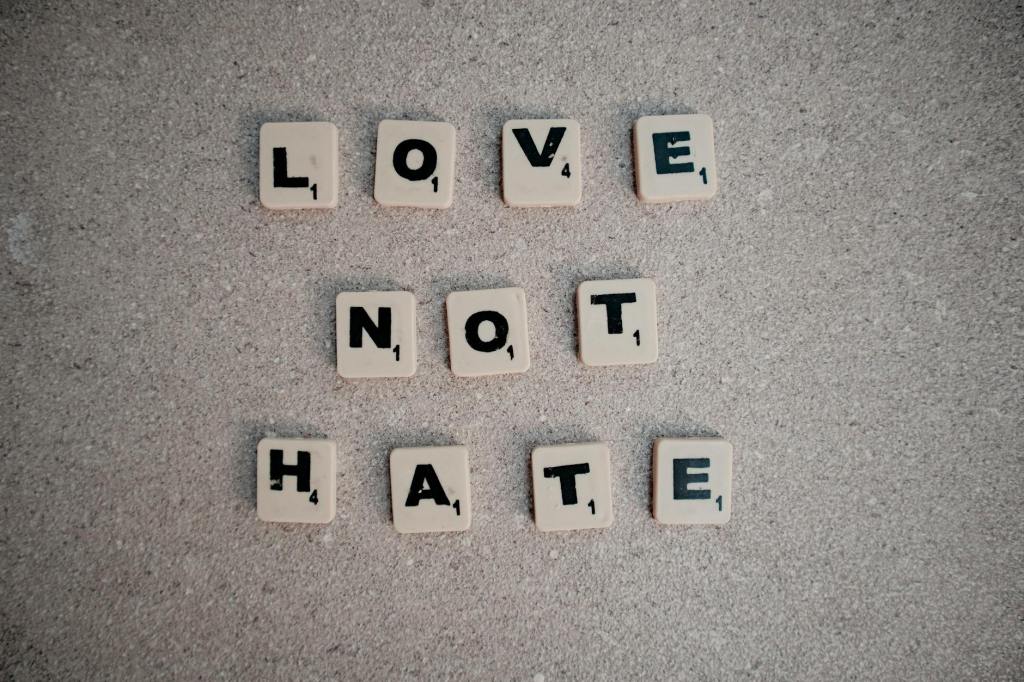
There are more kind people in this world than cruel ones.
But it doesn’t always feel that way.
Cruelty is loud. It lingers. It leaves a mark.
Kindness is often quieter—steady, consistent, and easy to overlook.
Yet beneath every interaction, every reaction, every moment of connection or conflict, the brain is making choices. Not abstract, philosophical ones—but biological, patterned, real-time decisions shaped by how we are wired, what we’ve lived through, and how regulated we are in that moment.
The Brain Is Not Neutral—It Is Always Responding
At any given time, your brain is balancing two powerful systems:
- A fast, reactive system driven by emotion and threat
- A slower, reflective system capable of empathy, restraint, and intention
When someone snaps, shuts down, or lashes out, it is often the reactive system leading.
When someone pauses, listens, and responds with care, a different network is engaged—one that allows space between feeling and action.
Kindness lives in that space.
Empathy Is the Turning Point
Our ability to choose kindness depends largely on empathy—the capacity to feel or understand another person’s experience.
When empathy is active:
- We recognise distress in others
- We feel a sense of connection
- We are far less likely to cause harm
When empathy is offline—through stress, repeated emotional disconnection, or learned behaviour—people can become indifferent, dismissive, or cruel without fully registering the impact.
This isn’t about being “good” or “bad.” It’s about which systems are online.
The Brain Reinforces What We Repeat
Every choice we make strengthens a pathway.
- Acts of kindness activate reward circuits in the brain, reinforcing connection and trust
- Repeated harshness, control, or emotional withdrawal can also become wired patterns if they are practised enough
Over time, these choices stop feeling like choices. They become automatic.
This is how patterns form in relationships—why some people consistently show up with warmth, and others with distance or harm.
Stress Shrinks Our Capacity for Kindness
When the brain perceives threat—whether real or emotional—it shifts into survival mode.
In that state:
- Patience decreases
- Perspective narrows
- Reactions become faster and often harsher
People are more likely to interrupt, criticise, withdraw, or attack—not always because they intend to be cruel, but because their brain is prioritising protection over connection.
Still, impact matters. Understanding the mechanism does not mean accepting the behaviour.
How Cruelty Gets Justified
Most people don’t see themselves as unkind. Instead, the mind creates explanations that make harmful behaviour feel acceptable.
Psychologist Albert Bandura described this as moral disengagement—the mental process that allows people to act against their values without feeling distress.
It sounds like:
- “They deserved it.”
- “I had no choice.”
- “It’s not my responsibility.”
These narratives reduce empathy and make it easier to continue the behaviour.
So Where Does Choice Come In?
Choice is not removed by biology—but it is influenced by it.
Kindness is more likely when:
- A person is emotionally regulated
- They have practised empathy
- They are aware of their reactions
- They have learned safer ways to respond
Cruelty is more likely when:
- A person is overwhelmed or defensive
- Empathy is suppressed
- Harmful patterns have been repeated and reinforced
But here is the part that matters:
Even though these systems are powerful, they are not fixed.
The brain can change. Patterns can shift. Awareness can interrupt reaction.
Choose Carefully—Because It Shapes Your Life
There are more kind people in this world than cruel ones.
But if you’ve been hurt, it’s easy to forget that.
The brain is wired to notice threat more than safety. One painful experience can outweigh many good ones in your memory. That doesn’t mean cruelty is more common—it just means it is more visible to your nervous system.
So your choices matter on two levels:
- The choices you make in how you treat others
- The choices you make in who you allow into your life
Kindness is not just something you give. It is something you recognise, protect, and align yourself with.
The Bottom Line
Kindness is not weakness.
It is not passive.
And it is not accidental.
It is a regulated, conscious choice—one that becomes stronger the more it is practised.
Cruelty, too, can become automatic if left unchecked.
So choose carefully.
Choose how you respond.
Choose what you reinforce.
And most importantly—choose people whose patterns reflect the kind of world you want to live in.