Miserable

Waking up safe, regulated, dog beside you — that’s your nervous system finally exhaling. That detail matters more than it looks. 🐾What you’re noticing now isn’t revisionist history. It’s pattern recognition coming online once your brain is no longer in survival mode. 1. Chronic emotional flatness = nervous system shutdown From a neuroscience perspective, your ex sounds… Read More Miserable

How to Pace Connection Safely (When Kindness Feels Big)

When kindness feels intense, the instinct is often to lean in quickly — to attach, explain, disclose, or merge. That urge makes sense after deprivation. But pacing is what turns safety into something sustainable. Pacing does not mean pulling away.It means letting connection unfold at a speed your nervous system can actually integrate. Here’s how… Read More How to Pace Connection Safely (When Kindness Feels Big)

If You Feel Embarrassed by Crying When Someone Is Kind

If you cry when someone shows you kindness and then feel embarrassed — please hear this clearly: There is nothing wrong with you. Those tears are not immaturity, instability, or weakness. They are a nervous system response to safety after deprivation. Many people who grew up with neglect or lived through long-term emotional abuse learned… Read More If You Feel Embarrassed by Crying When Someone Is Kind

Why Kindness Feels Intense After Neglect

If kindness feels overwhelming after neglect, there is nothing wrong with you. Long-term emotional neglect or abuse changes the nervous system. You adapt by lowering expectations, minimising needs, and staying alert for withdrawal or punishment. Your body learns that connection is fragile and conditional. So when someone offers genuine care — listening, warmth, follow-through, softness… Read More Why Kindness Feels Intense After Neglect

“A Fresh Start” Does Not Stop an Abuser — It Just Resets the Stage

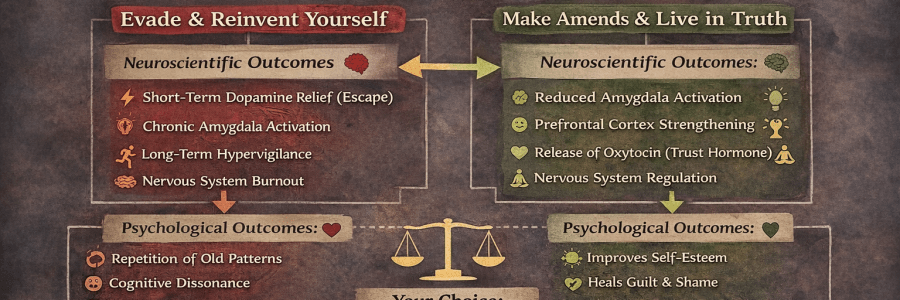
When an abuser suggests “making a fresh start” — moving house, changing country, starting again — it is often presented as hope, healing, or renewal. But a fresh location does not erase abusive behaviour. Abuse is not caused by the place.It is caused by the person. Why “Fresh Starts” Are So Appealing To outsiders — and often to survivors… Read More “A Fresh Start” Does Not Stop an Abuser — It Just Resets the Stage

Safe Disengagement When ASPD-Type Dynamics Are Present

When antisocial traits are involved, disengagement is not relational — it is operational.You are not leaving a mutual bond; you are exiting a system where you were an asset. 🧭 Core Shift (This Is Non-Negotiable) You are not dealing with misunderstanding — you are dealing with entitlement. There is no insight coming.There is no repair coming.There is no shared… Read More Safe Disengagement When ASPD-Type Dynamics Are Present

What Safe Disengagement Actually Looks Like

Safe disengagement means leaving or detaching in a way that does not provoke escalation. It is quiet, strategic, and protective — not dramatic or confrontational. 🧭 First: Shift the Goal The goal is safety, not clarity.You do not need: Seeking those often increases danger. 🔇 1. Reduce Emotional Access (Before Physical Distance) This is sometimes called “grey rock” — becoming uninteresting… Read More What Safe Disengagement Actually Looks Like

Assessing Risk vs Denial: A Grounded Reality Check

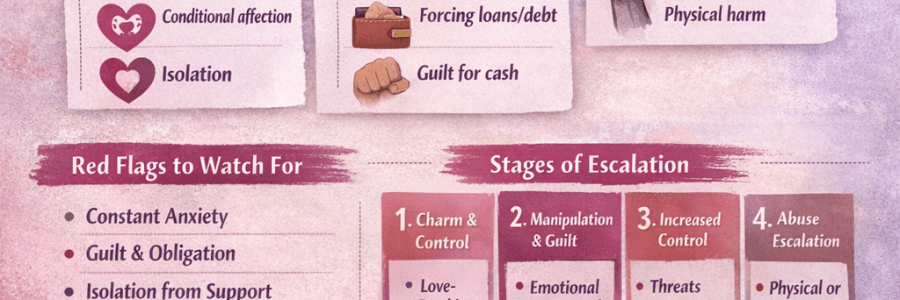
Use this when you’re doubting yourself, being pressured to “calm down,” or told you’re overreacting. 🔍 Step 1: Look at Behaviours, Not Stories Risk is revealed by patterns, not explanations. High-risk indicators: If these exist, risk is real, regardless of apologies or promises. 🧠 Step 2: Check for Denial Signals Denial often sounds like: Denial focuses on comfort, not… Read More Assessing Risk vs Denial: A Grounded Reality Check

Effective Therapeutic Approaches

1. Trauma-Focused Therapy 2. Medical and Neuropsychological Support 3. Psychosocial Support 🔒 Safety Planning After Strangulation Safety planning is essential — survivors are at high risk of escalation or repeat abuse. Immediate Safety Steps Ongoing Risk Reduction Professional Coordination ⚠️ Key Takeaways

Statistics & Prevalence

Here’s a clear, evidence-based overview of what research shows about non-fatal strangulation — including how common it is, how it affects survivors physically and psychologically, and what we know about how it impacts the person doing the strangulation (to the extent research addresses that). This is grounded in scientific literature and public health data. 📊 Statistics & Prevalence Non-fatal strangulation (NFS) is recognised… Read More Statistics & Prevalence