The Invisible Tug
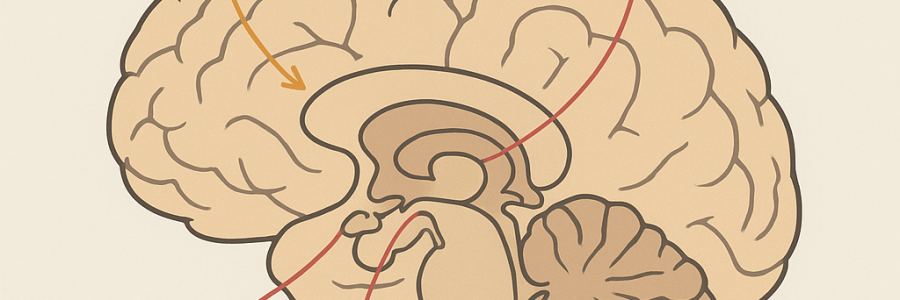
🌀 Manipulation attempts, emotional pull.You: boundaries firm, heart kind. The amygdala chills. ❄️🧘♂️Hatred loses its grip. #BoundariesWin #EmotionalFreedom #NeuronsInControl
🌀 Manipulation attempts, emotional pull.You: boundaries firm, heart kind. The amygdala chills. ❄️🧘♂️Hatred loses its grip. #BoundariesWin #EmotionalFreedom #NeuronsInControl

🎤 Every complaint, every blame—streaming 24/7.You: headphones in, focus on your own joy. 🎶💖Energy vampires? Filtered. #SelfCareFirst #NeuroscienceOfHappiness #ProtectYourPeace

⚡ Tension in the air, pulse racing, cortisol rising.You: ground yourself, feet on the floor, shoulders relaxed. 🦶💆♀️Stress loop? Not today. #StressRecovery #MindOverMatter #HatredVsYou

💬 “Oh, interesting choice…” dripping with sarcasm.You: smile, nod, let it bounce. 🏀Your prefrontal cortex thanks you. 🧠✨ #EmotionalArmor #NeuroscienceOfCalm #BounceBack

👀 Eyes narrowed, jaw clenched, warning signals flashing.You? Chill mode: deep breath, sip your tea ☕, neurons firing with calm. #HatredVsYou #StayCalm #MindfulBoundaries

💢 Hate lands on you. Brain? Instant stress mode. Cortisol spike. Amygdala screaming. ⚡ 💪 Your move: breathe. Boundaries up. Mindfulness on. Let it slide off like water on a duck. 🦆✨ 👀 Eyes narrowed at you? Body tense? That’s their nervous system—not yours. Stay calm, stay collected. 🧘♀️ 💖 Takeaway: You can absorb anger… Read More Surviving Someone Else’s Hatred 🔥
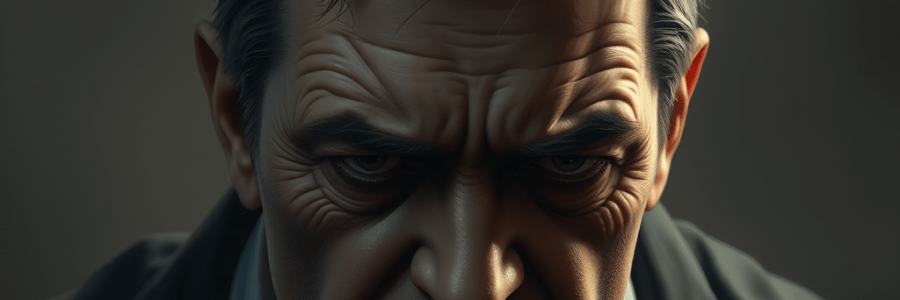
Hatred isn’t just a feeling—it’s a force that literally rewires the brain. Neuroscientists call this experience-dependent plasticity: repeated negative thoughts carve grooves in neural pathways, making resentment automatic. Over time, anger and bitterness become a default mode, a neural habit. And it shows. In the eyes: tight, unblinking, narrowed—an unconscious signal of hyper-alertness, distrust, or aggression. The… Read More The Neuroplasticity of Hatred: When Anger Becomes Visible 🧠
Sometimes, life isn’t about the prayers you whisper when someone’s watching, or the faith you flash when you want something. True faith? That’s quieter. Deeper. Living in truth. 🌿 Real faith is handing everything over to your higher power—whatever that may be—not asking for forgiveness when you’ve hurt, not bargaining for a quick fix, not… Read More What is Real Faith? ✨
Every ignored past? It’s like an unread email—just piling up, marked urgent.Spoiler: someone’s inbox is about to explode. 💌💥 #InboxOfDestiny #RunRabbitRun #FunnyJustice
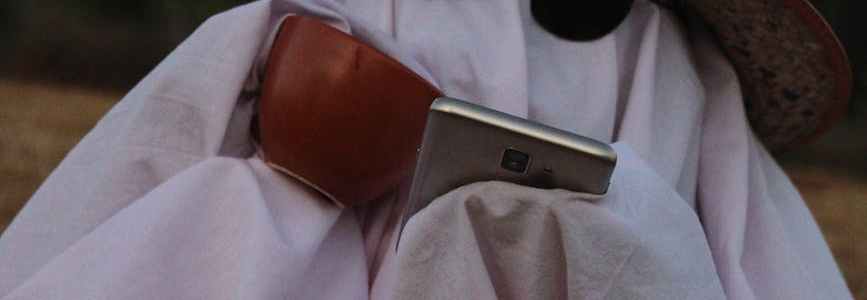
Thought you could ghost the consequences?Oops! Karma sent an RSVP… and it’s arriving with a marching band. 🎺🥁#KarmaParty #NeuronsRejoice #WatchingAndWaiting Post 3:

