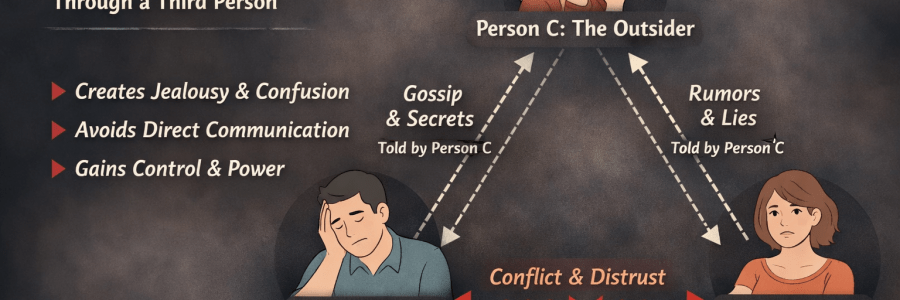
When Abuse Doesn’t End: Understanding Post-Separation Control

Many people believe that once they leave an abusive relationship, the worst is over. But for some, the dynamic doesn’t stop—it changes form. What once happened face to face can continue at a distance, sometimes through ongoing conflict, legal processes, or prolonged disputes. This is often referred to as post-separation abuse or coercive control at a distance. 🧠 What… Read More When Abuse Doesn’t End: Understanding Post-Separation Control

This Is Not Normal: Understanding Abuse Through Neuroscience

If you have ever been told that throwing things, shouting in your face, trying to physically harm you, threatening you, or controlling your access to money, transport, or even your passport is “normal” in a relationship—it is not. It is abuse. And understanding this isn’t just about opinion or perspective. It is grounded in how… Read More This Is Not Normal: Understanding Abuse Through Neuroscience

Truth, Discomfort, and the Difference That Matters

Sometimes telling the truth creates discomfort. It can bring short-term pain, tension, or even conflict. But more often than not, it leads to something far more important—clarity, accountability, and, ultimately, justice. Truth is not always easy to hear, and it is not always easy to speak. But it is not inherently destructive. Gossip is. The… Read More Truth, Discomfort, and the Difference That Matters

How Low Do You Go?

Where an individual repeatedly claims to be seriously ill or dying, particularly in circumstances involving abuse or financial matters, yet provides no supporting medical evidence, such claims should be treated with caution. When similar statements have been made over an extended period of time without verification, it becomes necessary to question their credibility. Care should… Read More How Low Do You Go?

From “everyday sadism” to real-life relationship dynamics

Research into traits like everyday sadism sits within the broader study of personality—specifically how some individuals may show lower empathy, higher competitiveness, or a greater tolerance for others’ discomfort in certain contexts. However, in real relationships, what matters is not labels from psychology studies, but patterns of behaviour over time. Some behaviours that people may feel as “enjoying control or… Read More From “everyday sadism” to real-life relationship dynamics

What research actually shows

Psychologists sometimes study traits related to everyday sadism, meaning a subclinical (non-clinical) tendency to enjoy minor forms of others’ discomfort. This is not the same as clinical sadism or criminal behaviour. Some findings from research on “dark personality traits” suggest that: ⚠️ Important clarifications 🧩 The key takeaway Research in this area suggests that a very small proportion of… Read More What research actually shows

Get in Touch

If you are feeling trapped in a relationship and uncertain about whether to stay or leave, structured support can help you gain clarity. We provide confidential 1-hour consultation sessions where you can talk through your situation in a safe, neutral, and supportive environment. These sessions are designed to help you better understand your circumstances, explore… Read More Get in Touch

Staying Was Survival—Leaving Was Transformation

Redefining beauty, strength, and self-worth after divorce In a world that constantly measures beauty by appearance, we often forget where true beauty actually lives. To be beautiful on the inside is to embrace our humanity with grace. It is not about perfection, nor about always getting things right. It is about allowing ourselves to feel… Read More Staying Was Survival—Leaving Was Transformation