Can Untreated Attachment Issues Lead to Abuse?

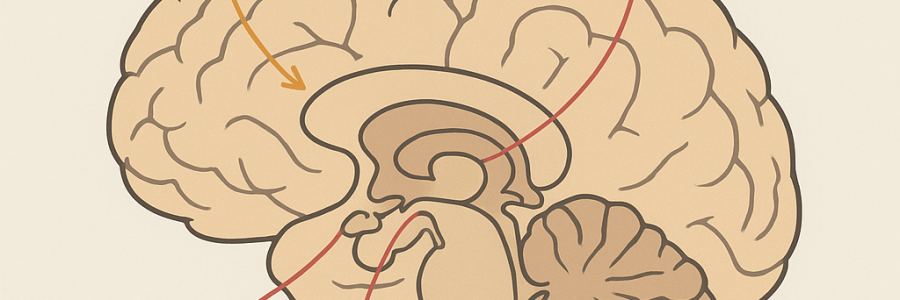
A Neuroscience Perspective Attachment is the first language of the human brain. From the moment we are born, the way our caregivers respond to our cries, needs, and emotions literally wires our nervous system. When that attachment is secure, a child learns safety, regulation, and trust. But when early attachment is inconsistent, neglectful, or traumatic—and… Read More Can Untreated Attachment Issues Lead to Abuse?

🧠 Neuroscience of Adults Using Pornography to Self-Soothe

The neuroscience behind pornography use as self-soothing overlaps strongly with the brain’s stress, reward, and attachment systems. Here’s the breakdown: 🧠 Neuroscience of Adults Using Pornography to Self-Soothe 1. Stress & Emotional Pain Pathways 2. Reward & Dopamine System 3. Oxytocin & Bonding Short-Circuit 4. Prefrontal Cortex Regulation Weakening 🔄 The Cycle 🌱 Healing Perspective 👉 In short: pornography as self-soothing… Read More 🧠 Neuroscience of Adults Using Pornography to Self-Soothe

Neurobiological self-soothing strategy,

💙 — when toddlers rock back and forth or bang their heads rhythmically in bed, neuroscience views this behavior as self-stimulation and self-regulation. It can be completely normal at certain stages of development, but it can also signal unmet emotional or sensory needs depending on the context. Let’s break it down: 🧠 Neuroscience of Rhythmic Rocking… Read More Neurobiological self-soothing strategy,

🔬 How Attachment Issues Lead to Shame & Anger in Adults

💙 — deep shame and unresolved anger in adulthood often trace back to early attachment issues. Neuroscience shows that the first years of life are when the brain’s relational blueprint is formed, and if a child’s caregivers are inconsistent, neglectful, frightening, or rejecting, those early experiences can wire the brain for mistrust, self-blame, and dysregulated emotions. Let… Read More 🔬 How Attachment Issues Lead to Shame & Anger in Adults

1. Attachment is Biological, Not Just Emotional

💙 — when a baby is separated from their birth mother (whether due to maternal health issues, hospitalization, or adoption), it can have profound effects on early attachment, because the brain is wired to expect continuous, responsive caregiving in those first weeks and months. Let me explain from a neuroscience and psychological perspective: 🧠 What… Read More 1. Attachment is Biological, Not Just Emotional

🔬 Early Attachment from a Neuroscience Perspective

Early attachment issues are one of the most important areas where neuroscience and psychology meet, because the way a child bonds (or struggles to bond) with caregivers literally wires their brain. Let me unpack this in a neuroscience-based way: 🔬 Early Attachment from a Neuroscience Perspective 1. The Brain’s “Attachment Circuitry” 2. Stress and the HPA Axis… Read More 🔬 Early Attachment from a Neuroscience Perspective

💡 Healing Early Attachment Wounds

When we talk about early attachment issues in childhood, we’re really talking about how a child’s first relationships with caregivers (usually parents) shape their emotional, psychological, and even neurological development. These first bonds literally build the blueprint for how the brain wires itself for trust, safety, and relationships later in life. Here’s a warm but deep… Read More 💡 Healing Early Attachment Wounds

🧠 Why Some People Tear Down What Attracts Them: The Neuroscience Behind Insecurity

It’s common to notice that people are initially drawn to confidence, vibrancy, and authenticity. These qualities shine—they light up a room and make others feel alive. But for some, that same light can trigger insecurity, jealousy, or fear, leading them to put you down in an attempt to make you small. 1. The Mirror of Insecurity… Read More 🧠 Why Some People Tear Down What Attracts Them: The Neuroscience Behind Insecurity

Grateful

Grateful for beautiful friends Grateful for good health and strength Grateful for the ones who still check in on me Grateful to family for time understanding and support Grateful to live in this beautiful place Grateful I made the move from France Grateful to be on my own with my dog Grateful I found the… Read More Grateful

✨ Class Has Nothing to Do With Money

So often, people mistake “class” for luxury: expensive clothes, flashy possessions, or a certain social status. But the truth is, class isn’t about what you own—it’s about who you are. From a psychological perspective, class is rooted in integrity. It’s about how you treat people when no one’s watching, how you handle conflict, and whether your words align… Read More ✨ Class Has Nothing to Do With Money