🧠 Real love vs trauma bond (in real time)

Real love feels safe and expanding.Trauma bond activation feels urgent, narrow, and dysregulating. Your body actually tells the difference before your mind catches up. πŸ’š 1. Nervous system state πŸ’š Real love Your system feels: β€œI can be myself here.” ⚑ Trauma bond activation Your system feels: β€œI need to fix something / don’t lose… Read More 🧠 Real love vs trauma bond (in real time)

🧠 Common relapse points (and why they happen)

β€œRelapse points” after leaving coercive control don’t usually mean you truly want to go back β€” they’re moments where the brain’s old survival wiring gets briefly reactivated and pulls on attachment, habit, fear, or hope. It can feel emotional, but neurologically it’s predictable. 1. Loneliness + silence This is the most common trigger. Why it hits hard:… Read More 🧠 Common relapse points (and why they happen)

🧠 Recovery timeline (what usually shifts and when)

Here’s a realistic recovery timeline after leaving coercive control / trauma bonding, based on what we know from psychology, attachment science, and nervous system recovery. Everyone varies, but the pattern is surprisingly consistent. ⏳ First days to 2 weeks: β€œshock + withdrawal” This is the most unstable phase. What you might notice: Brain state: What’s really happening: Your… Read More 🧠 Recovery timeline (what usually shifts and when)

🧠 What’s happening in the brain during withdrawal

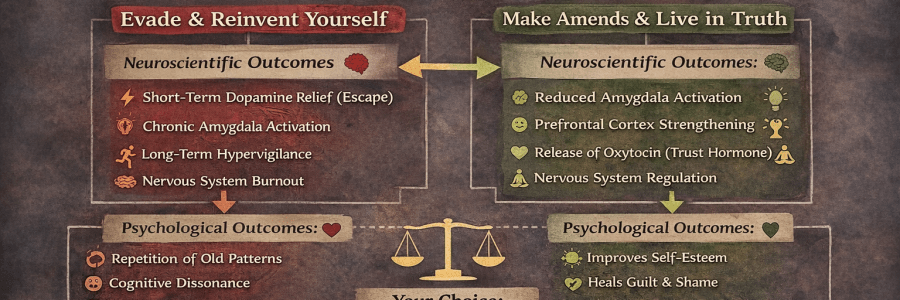
The withdrawal phase after leaving coercive control can feel surprisingly intense because the brain isn’t just β€œmissing a person” β€” it’s recalibrating a whole threat–reward–attachment system that has been running for a long time. It often feels worse before it feels better because the nervous system is adjusting to the absence of a pattern it had learned to expect.… Read More 🧠 What’s happening in the brain during withdrawal

🧠 Why trauma bonding is so sticky (neuroscience + psychology)

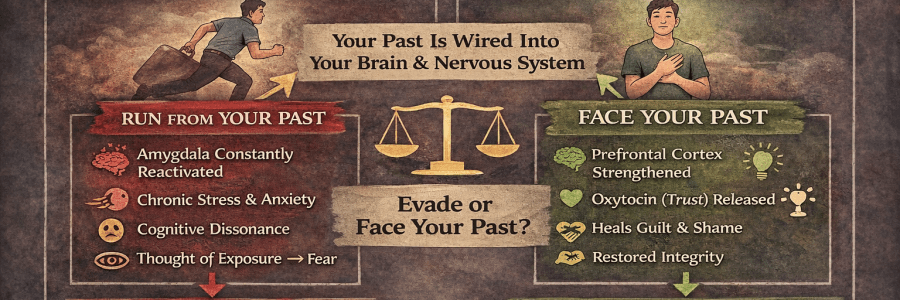
Trauma bonding and coercive control are hard to break because they don’t just sit in β€œthoughts” or β€œchoices” β€” they get wired intoΒ reward systems, threat systems, and attachment systems in the brain at the same time. That combination creates a powerful loop that feels emotionally convincing even when it’s harmful. 1. Intermittent reinforcement = strongest… Read More 🧠 Why trauma bonding is so sticky (neuroscience + psychology)

What’s happening in your brain during therapy

1. The threat system starts to settle At the beginning of therapyβ€”especially if someone is anxious or traumatisedβ€”the brain often has a more active: As you speak in a safe, structured environment, something important happens: the brain starts to detect β€œthis is not danger” This reduces hypervigilance over time. 2. The thinking brain comes back… Read More What’s happening in your brain during therapy

Why people have therapy (neuroscience + psychology)

1. Emotional overload (the nervous system is stuck β€œon”) From a neuroscience view, chronic stress keeps the amygdala overactive (threat detection system), while the prefrontal cortex (reasoning, regulation) becomes less effective. People come to therapy because: Therapy helps retrain the brain to feel safety again. 2. Trauma and memory processing Trauma isn’t just a memoryβ€”it’s a stuck survival response. The… Read More Why people have therapy (neuroscience + psychology)

A divorce party

A divorce partyβ€”especially after leaving an abusive relationshipβ€”is not really about celebrating a marriage ending. It’s about celebrating you returning to yourself. For many people, divorce marks grief and loss.For others, particularly survivors of coercive control or abuse, it marks something very different: freedom. It can be the first day in years that your nervous system begins… Read More A divorce party

The black hole

Very common stages of recovery:Β retrospective disbelief. It sounds like: That reaction is painfulβ€”but it usually means your perspective has changed. Your current self is looking back with clarity that your past self did not have. Why it can feel like a β€œblack hole” Long-term stress, trauma, or emotionally harmful environments can create a kind of psychological… Read More The black hole