Come closer 💫

100,119 visitors. No noise.No chasing.Just alignment. And 2,382 already inside…choosing depth over distraction. If you feel it—you already know. Come closer 💫
100,119 visitors. No noise.No chasing.Just alignment. And 2,382 already inside…choosing depth over distraction. If you feel it—you already know. Come closer 💫
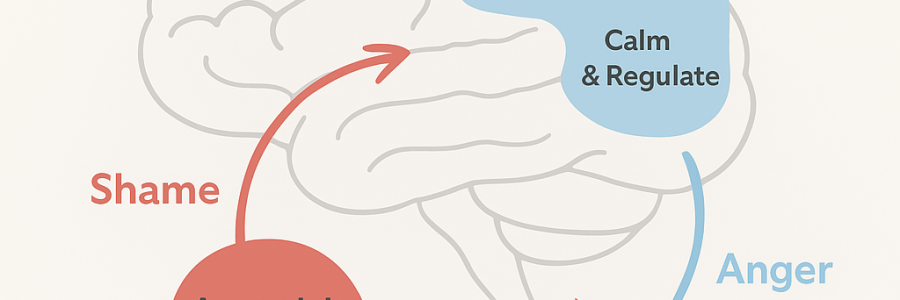
Not to rewrite it.Not to reclaim it.Not to tell the truth you were never allowed to speak. Because the shame you’ve been carrying… Was never yours. It was given to you—so someone else didn’t have to face themselves. Read that again. You were taught to hold what they should have carried. But that ends here.… Read More It is not too late.
A — ANOVA (Analysis of Variance) Statistical test used to compare means across 3+ groups.👉 Used in research to see if differences are real or random. B — Big Five Personality Traits (OCEAN) C — Cognitive Dissonance (Leon Festinger) Mental discomfort when beliefs and actions don’t align.👉 Drives behaviour change or justification. D — DSM-5 (Diagnostic… Read More A–Z of Psychological Tests & Concepts

When you stop needing control… You become different. Quieter.Stronger.Harder to shake. You don’t react the same.You don’t chase the same.You don’t settle the same. Because your nervous system isn’t looking for safety outside of you anymore. You are the safety. And that kind of energy? Doesn’t beg.Doesn’t break.Doesn’t wait to be chosen. It simply is. Untouchable… Read More The Signature (Untouchable Energy)

She doesn’t chase. She doesn’t force. She doesn’t spiral trying to figure everything out. Because she understands something most don’t: Her power isn’t in controlling life… It’s in how she holds herself within it. Calm.Certain.Unavailable for chaos. This is what happens when a woman becomes regulated. She becomes magnetic without trying… And unforgettable without effort ✨

There’s a moment where everything changes… Not when life finally goes your way—but when you stop needing it to. When you say: “I’ve done what I can. I release the rest.” And suddenly… Your body softens.Your thoughts slow down.Your energy stops chasing. That’s not giving up. That’s your nervous system stepping out of survival…and into… Read More The Shift (Letting Go)

You don’t overthink because you’re broken. You overthink because your brain is trying to protect you. It scans.It predicts.It tries to control every possible outcome… So you don’t get hurt. But here’s the shift: You don’t feel safe when everything is controlled. You feel safe when you are. And the moment you realise that… You stop… Read More The Awareness (Why You Overthink)

You thought control was power… That if you just tried harder, thought deeper, held tighter—you could make it all work. But control is tension.Control is fear dressed up as strength. Real power? Is the woman who can feel everything…and still release the outcome. That’s not weakness. That’s a regulated nervous system. That’s a woman who knows…she… Read More The Hook (Control vs Power)

What feels like “letting go” emotionally…is actually a profound shift happening inside your brain and nervous system. This isn’t just spiritual.It’s biological. When you try to control everything — outcomes, people, timing —your brain perceives uncertainty as a threat. This activates your amygdala — the part of the brain responsible for fear and survival. Your body moves… Read More The Neuroscience of Letting Go: Why Surrender Regulates Your Mind and Reclaims Your Power

There comes a point in life where strength no longer looks like pushing harder. It looks like…putting it down. Not because you’re weak.Not because you’ve given up.But because you’ve reached the edge of what control can do —and you’re wise enough to recognise it. For so long, you’ve held everything together.You’ve carried, fixed, anticipated, protected.You’ve made… Read More When You Finally Let Go: The Power of Surrendering to Something Greater
 Linda C J Turner | Trauma Therapist & Emotional Healing Specialist