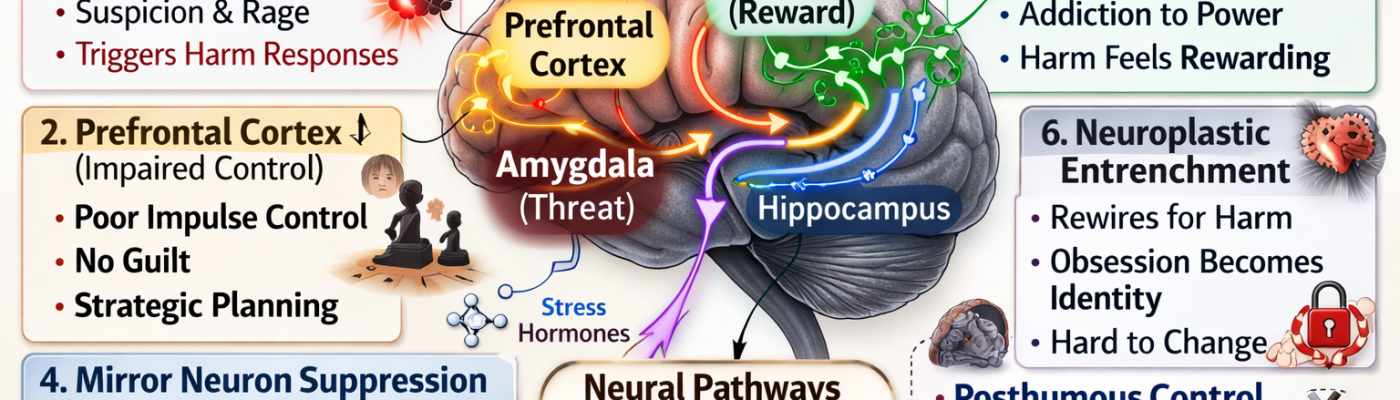
Psychologists sometimes study traits related to everyday sadism, meaning a subclinical (non-clinical) tendency to enjoy minor forms of others’ discomfort. This is not the same as clinical sadism or criminal behaviour.
Some findings from research on “dark personality traits” suggest that:
- A small minority of people report some enjoyment of activities like teasing, humiliating others in games, or seeing others “get what they deserve”
- These traits often cluster with other “Dark Tetrad” traits:
- narcissism (self-importance)
- Machiavellianism (manipulation)
- psychopathy (callousness/low empathy)
- sadism (enjoyment of others’ suffering)
- In experimental or questionnaire-based studies (including among student samples), a minor percentage of participants endorse statements suggesting they sometimes enjoy causing or watching mild discomfort—but this is typically in low-intensity, socially acceptable contexts (e.g., competitive games, humour, arguments)
⚠️ Important clarifications
- This does not mean most people are sadistic—the majority strongly reject harming others.
- It does not automatically indicate violence or abuse.
- Many findings are based on self-report surveys, which can be influenced by humour, exaggeration, or misunderstanding of questions.
- Context matters a lot: what looks like “enjoying dominance in arguments” can often be competitiveness, humour, or conflict style, not sadism.
🧩 The key takeaway
Research in this area suggests that a very small proportion of people may derive mild pleasure from others’ discomfort, but in most cases it exists on a spectrum of personality traits rather than as a clear-cut “type of person.”

