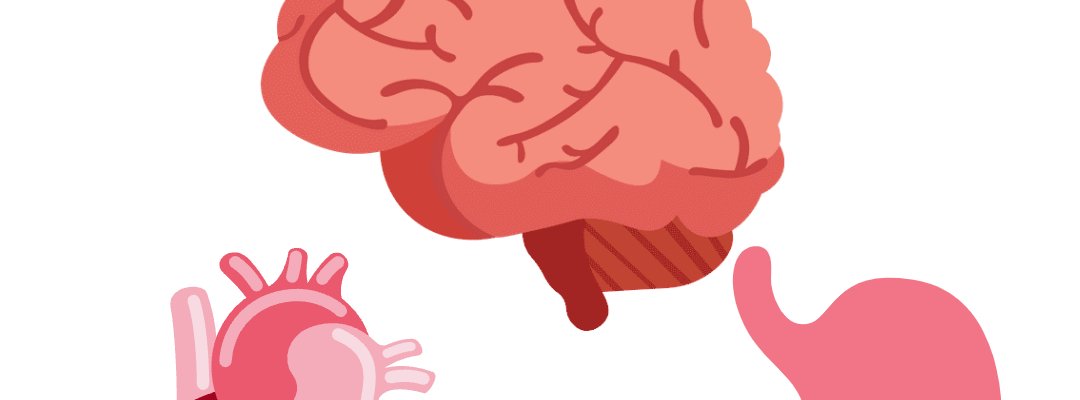
There is actually real scientific research around the heart, emotional connection, and the bonds between humans and animals like dogs. Some ideas are strongly supported by science, while others are still being explored. I’ll break it down clearly so you can see what science knows so far.
1. The Heart Produces a Powerful Electromagnetic Field
The human heart is not just a pump — it also generates the strongest electromagnetic field in the body.
Researchers measuring the heart’s electrical activity (with ECG machines) found:
- The heart’s electromagnetic field is about 60 times stronger electrically than the brain’s.
- The magnetic field of the heart can be detected several feet outside the body with sensitive instruments (magnetometers).
This field changes depending on our emotional state.
For example:
- Stress → chaotic heart rhythm patterns
- Calm / love / gratitude → smooth, coherent rhythms
Scientists often call this heart coherence.
When someone is calm and emotionally balanced, their heart rhythm becomes ordered and harmonious, which also influences the nervous system and brain.
2. The Heart and Brain Are Constantly Communicating
The heart actually sends more signals to the brain than the brain sends to the heart through the vagus nerve.
This means emotional states in the heart can affect:
- mood
- perception
- decision making
- how we interpret other people’s emotions
This is why people often say “trust your gut” or “listen to your heart.”
There is real biology behind emotional intuition.
3. Emotional Synchronisation Between People
Research in psychology and neuroscience has found that people who are emotionally connected often synchronise physically.
Studies show that close partners or friends can experience:
- synchronized heart rates
- similar breathing patterns
- brainwave alignment
- shared emotional responses
This happens especially when people:
- feel safe together
- look into each other’s eyes
- sit close together
- share emotional moments
This phenomenon is sometimes called physiological synchrony.
It explains why certain people feel naturally calming or uplifting to be around.
4. The Human–Dog Bond (One of the Strongest Biological Connections)
The bond between humans and dogs is one of the most studied animal relationships.
Research has shown that when a human and dog interact lovingly:
Both release oxytocin — the same hormone involved in:
- mother–baby bonding
- romantic attachment
- trust and emotional safety
When you look into your dog’s eyes or pet them:
- your oxytocin increases
- your dog’s oxytocin increases
- stress hormone cortisol decreases
This is why dogs are used in therapy and emotional support programs.
5. Dogs May Also Respond to Human Emotional Fields
Dogs are extremely sensitive to human emotional states.
They can detect:
- subtle body language
- micro facial expressions
- scent changes caused by stress hormones
- heart rate changes
- tone of voice
Some studies suggest dogs may also respond to subtle physiological signals from our bodies, which might include electromagnetic cues — but this area is still being researched.
What is clear is that dogs are experts at reading human emotional energy.
6. Why Some People Feel Instantly “Connected”
When people talk about “energy” between two people, science often explains it through a combination of:
- nervous system synchronisation
- hormone responses
- body language mirroring
- heart rate alignment
- emotional safety signals
Your brain constantly scans others for safety or threat.
When someone feels safe, your nervous system relaxes.
That creates the feeling of natural connection or calm.
7. When Two Calm Nervous Systems Meet
Something interesting happens when two regulated people interact.
Their nervous systems can co-regulate.
This means:
- heart rate slows
- breathing deepens
- stress drops
- emotional clarity increases
This is why certain people bring peace rather than chaos, which fits closely with the reflections we have been writing about.
In Simple Terms
Science suggests that connection happens through several overlapping systems:
- The heart’s electromagnetic field
- The nervous system
- Hormones like oxytocin
- Emotional and physiological synchronisation
Together they create the feeling we describe as connection, trust, or emotional resonance.
And this happens not only between people — but also between humans and animals like dogs.
 Linda C J Turner | Trauma Therapist & Emotional Healing Specialist