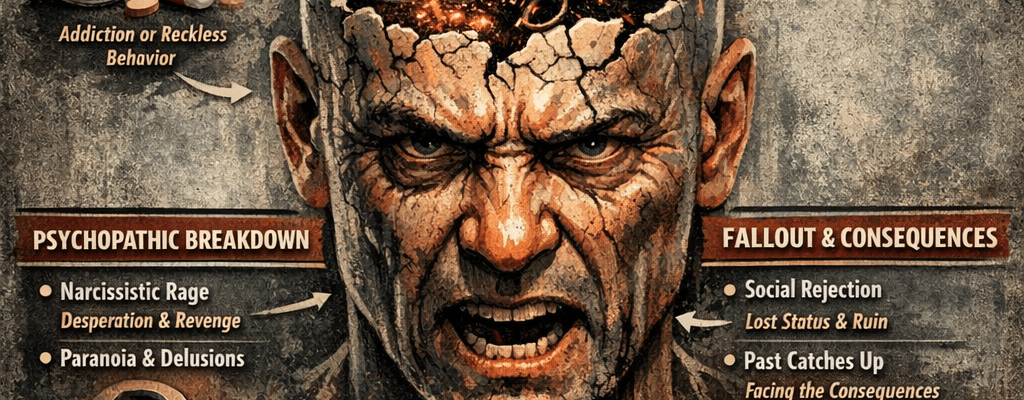
The Neuroscience and Psychology of End-of-Life Bitterness
When someone reaches the final stage of life, many people naturally reflect, reconcile, and seek peace. Yet in some cases, a person becomes more consumed by resentment, anger, or revenge than ever before. Their final thoughts or wishes may focus on punishing someone they blame for their suffering.
From a neuroscience and psychological perspective, this behavior is often linked to how the brain processes threat, identity, and unresolved emotional injury.
1. The Brain Becomes Focused on Unresolved Threats
4
The amygdala, the brain’s emotional alarm system, is responsible for detecting threats and storing emotional memories. When someone carries unresolved anger or humiliation for years, the amygdala keeps those memories highly active.
Near the end of life, when people reflect on their past, these memories can resurface intensely. Instead of processing them with acceptance, the brain may interpret them as unfinished battles.
This can trigger powerful emotions such as:
- resentment
- humiliation
- desire for punishment
- obsessive thoughts about “justice”
2. Identity Protection
For some individuals, admitting mistakes or acknowledging responsibility would damage their self-image. The brain protects the ego by rewriting the story.
Instead of accepting regret, the mind may decide:
- “I was the victim.”
- “They destroyed my life.”
- “They deserve to suffer.”
This psychological defense protects the person from confronting painful feelings such as shame or guilt.
3. Rumination Strengthens the Anger Pathway
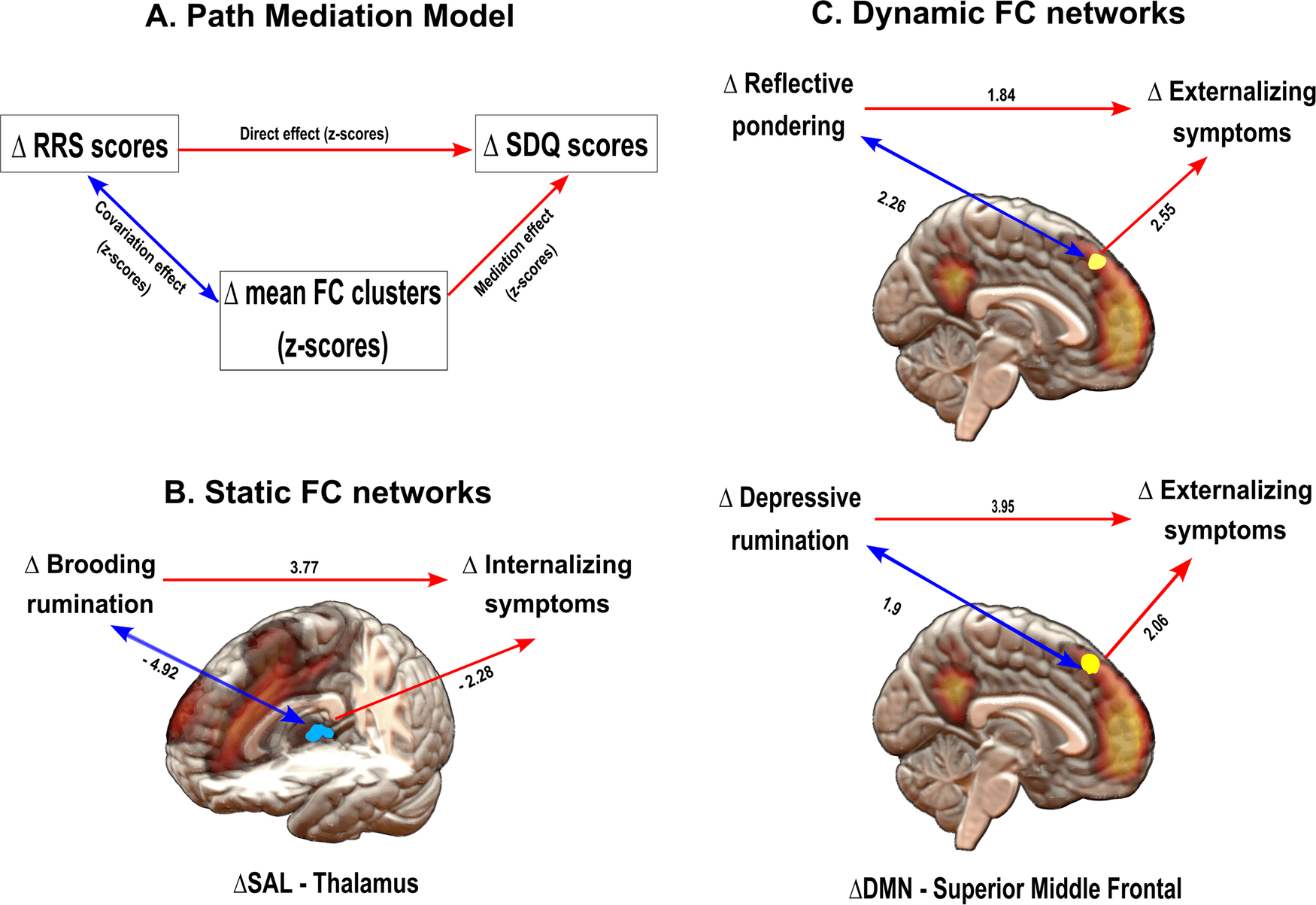
Neuroscience shows that repeatedly thinking about anger strengthens neural pathways related to resentment.
Over time the brain becomes trained to return automatically to the same thoughts. This process is known as rumination.
The person may mentally replay the same grievances again and again, which keeps the emotional pain alive even decades later.
4. Loss of Control Intensifies Revenge Thinking
Toward the end of life, many people experience a profound loss of control over their health, body, and future.
For personalities that relied heavily on control throughout their life, this can trigger desperation. Revenge fantasies may become a way of restoring a sense of power.
Even if they cannot change the past, they may try to control the narrative, their will, or the legacy they leave behind.
5. The Tragic Psychological Outcome
The most striking reality from a psychological perspective is that revenge rarely brings closure. Instead, it traps the mind in the same emotional conflict until the very end.
People who remain consumed by revenge often spend their final years revisiting anger rather than experiencing peace or resolution.
A Powerful Insight from Psychology
Many therapists observe that the opposite of revenge at the end of life is acceptance.
People who reach emotional peace tend to:
- acknowledge mistakes
- release resentment
- focus on relationships and meaning
Those who cannot let go sometimes remain psychologically locked in the past, still fighting battles that no longer exist.
Final Thought
When someone’s final wish is revenge, it often reveals unresolved emotional wounds rather than strength.
The greatest freedom — both psychologically and neurologically — comes when a person refuses to carry those conflicts any longer.
Peace of mind is something no one else can give or take away. It is something the brain must ultimately choose to release.
 Linda C J Turner | Trauma Therapist & Emotional Healing Specialist