Why Some People Live Through Bitterness and Vengeance
Revenge is one of the oldest human emotions. Almost everyone has felt the urge to “get even” after being hurt. But for some individuals, revenge does not fade with time. Instead, it becomes a way of life. Their thoughts, decisions, and relationships begin to revolve around bitterness, punishment, and control.
Understanding the psychology and neuroscience of revengeful personalities helps people recognize these patterns early and protect themselves from the emotional damage such individuals can cause.
The Brain on Revenge
Neuroscience research shows that revenge activates the brain’s reward circuitry, particularly areas associated with dopamine release. These are the same neural pathways involved in addiction and pleasure.
When a person imagines or carries out revenge, the brain can experience a temporary sense of satisfaction or relief. However, this feeling is short-lived. Over time, the brain begins to crave the same emotional reward again, reinforcing a cycle of hostility and resentment.
Instead of healing the original wound, revenge locks the brain into a loop of anger and rumination.
Why Some People Become Obsessed With Revenge
Most people eventually process hurt, grief, or betrayal and move forward. Revenge-driven individuals struggle to do this. Several psychological traits often appear in these personalities:
1. Fragile Ego and Deep Insecurity
Many revengeful individuals have a very fragile sense of self. When they feel rejected, criticized, or abandoned, they interpret it as a devastating personal attack. Revenge becomes a way to restore their damaged ego.
2. Inability to Accept Responsibility
These personalities rarely accept their role in conflicts. Instead, they rewrite events in their mind so that they are always the victim and someone else is always the villain.
3. Obsession and Rumination
Their mind repeatedly replays the perceived wrongdoing. This constant rumination strengthens anger pathways in the brain and keeps the emotional wound permanently open.
4. Need for Control
Revenge gives them a feeling of power. If they can punish or damage someone else, they feel they have regained control of a situation where they once felt powerless.
5. Lack of Empathy
In extreme cases, revengeful personalities show reduced empathy. They may justify harming others because they believe the other person “deserves it.”
The Psychological Cost of Living in Revenge
While revenge may provide brief emotional satisfaction, the long-term consequences are destructive.
People who live through vengeance often experience:
- Chronic anger and stress
- Anxiety and obsessive thinking
- Social isolation
- Difficulty maintaining relationships
- Emotional exhaustion
Over time, revenge becomes self-destructive. The person becomes trapped in their own emotional prison, unable to move forward with their life.
When Revenge Becomes a Personality Pattern
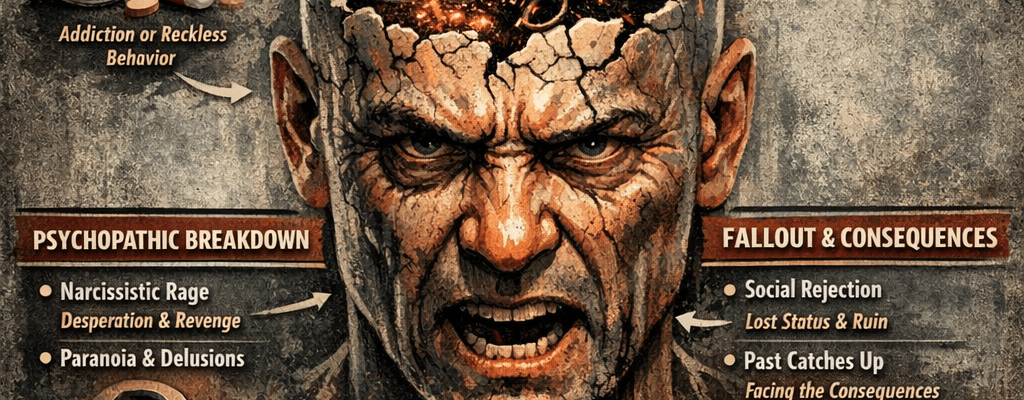
In some individuals, revengeful behavior appears alongside personality traits linked to narcissistic, paranoid, or antisocial tendencies. These personalities may:
- Seek retaliation long after a conflict has ended
- Try to damage reputations or relationships
- Use manipulation, legal threats, or social pressure to punish others
- Feel satisfaction when the other person suffers
The goal is rarely resolution. The goal is domination and emotional victory.
The Healthier Alternative: Psychological Freedom
The opposite of revenge is not weakness. It is psychological freedom.
Letting go of revenge does not mean approving of what happened. It means refusing to allow someone else’s behavior to control your mind, emotions, or future.
Healthy coping mechanisms include:
- Emotional processing and therapy
- Setting boundaries
- Detaching from toxic individuals
- Focusing on personal growth and healing
People who choose healing over revenge reclaim their energy and attention for things that actually improve their lives.
A Final Thought
Individuals who spend years plotting revenge often believe they are punishing someone else. In reality, they are often trapped in the very anger they cannot release.
Bitterness may feel powerful in the moment, but it quietly consumes the person who carries it.
The greatest victory is not revenge.
The greatest victory is peace.
 Linda C J Turner | Trauma Therapist & Emotional Healing Specialist