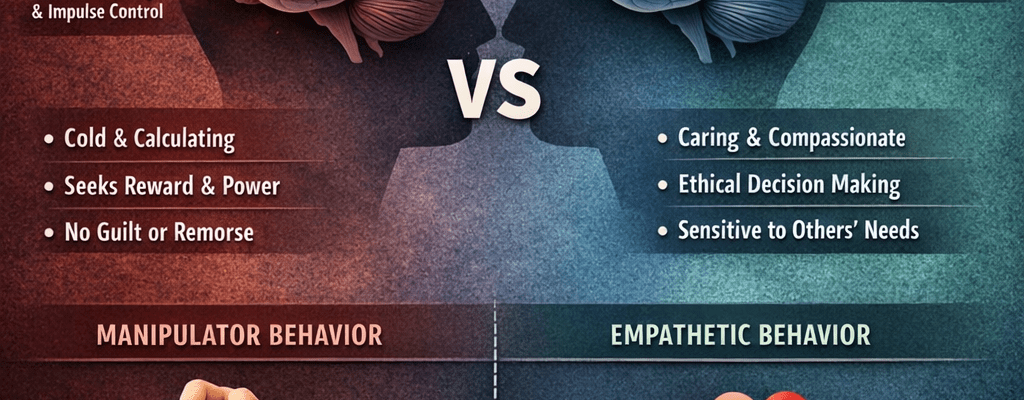
Living in constant vengeance and bitterness is actually a form of psychological imprisonment. People who operate from rage and resentment are often trapped in a cycle that harms their own brain and wellbeing more than anyone else’s.
Here is how neuroscience and psychology explain this pattern.
1. The Brain on Chronic Anger
When a person wakes up each day focused on revenge or cruelty, their brain repeatedly activates the threat and anger circuits.
Key brain areas involved:
- Amygdala – detects threats and triggers anger or fear responses
- Hypothalamus – activates stress hormones like cortisol and adrenaline
- Prefrontal cortex – normally regulates impulses, but becomes less effective under chronic anger
Over time, constant hostility strengthens these neural pathways, making anger the brain’s default response. The person literally trains their brain to live in conflict mode.
2. Stress Chemistry Becomes the “Normal”
People driven by resentment often live with persistently elevated:
- Cortisol (stress hormone)
- Adrenaline
- Inflammatory responses in the body
This can lead to:
- sleep disruption
- paranoia and hypervigilance
- impulsive or destructive decisions
- cardiovascular problems
In other words, vengeful thinking is physiologically exhausting.
3. Psychological Patterns Behind Vindictiveness
Psychology often finds several underlying traits in people who behave this way:
Chronic victim mentality
They believe everyone else is responsible for their suffering.
External blame system
Responsibility is projected outward. They rarely self-reflect.
Narcissistic injury
When their ego feels threatened, revenge becomes a way to restore control.
Emotional dysregulation
They struggle to process shame, failure, or rejection, so anger becomes the outlet.
4. The Reinforcement Loop
Revenge behavior can become addictive.
Why?
Because the brain releases dopamine when someone feels they have “won” or harmed a perceived enemy.
But the effect is temporary, so the person seeks another conflict, another target.
It becomes a cycle of conflict → temporary satisfaction → deeper bitterness.
5. Why Many Become More Bitter With Age
If this pattern goes unchallenged for decades, the brain becomes deeply conditioned.
Without self-reflection or therapy:
- empathy networks weaken
- anger pathways strengthen
- the person increasingly isolates themselves
They may end up consumed by resentment long after everyone else has moved on.
6. The Contrast: Healthy Minds
Neuroscience shows that emotionally healthy people engage different systems:
- stronger prefrontal regulation
- greater empathy network activity
- more oxytocin and serotonin linked to connection and trust
Their energy goes toward building relationships and meaning, not destroying others.
7. A Final Thought
People consumed by revenge often believe they are punishing someone else.
In reality, neuroscience shows they are repeatedly punishing their own nervous system.
Compassion for such people doesn’t mean accepting their behavior — but it recognizes that a life driven by rage is already a heavy burden to carry.
 Linda C J Turner | Trauma Therapist & Emotional Healing Specialist