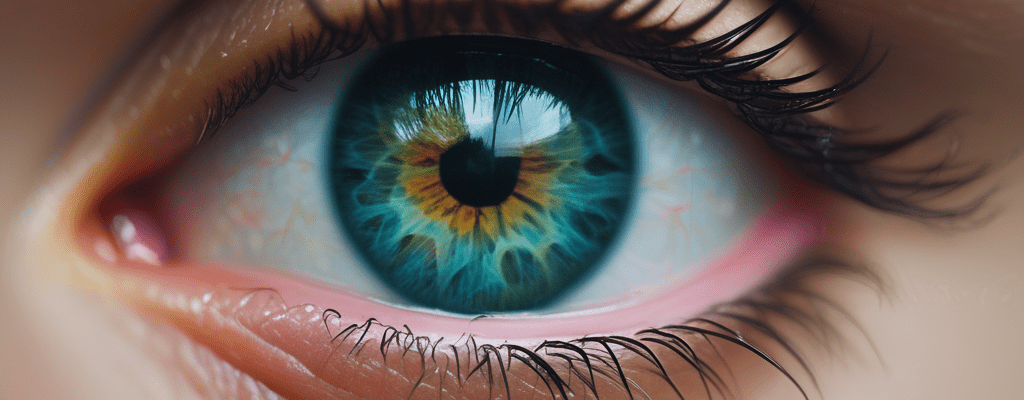
Two years ago, under extreme psychological stress and PTSD from an abusive marriage, my eyesight measured just 70% without glasses.
Eighteen months after leaving that environment, my vision is now 90% without glasses.
The optician also said something unexpected:
“You look lighter. Brighter.”
And that moment says everything about trauma, healing, and the incredible power of the human nervous system.
🧠 The Neuroscience of Trauma & Vision
When we live under chronic psychological stress, emotional abuse, and trauma, the nervous system remains locked in survival mode.
This constant activation affects:
- Vision
- Eye muscle tension
- Blood flow to the eyes
- Neurological processing of visual input
- Perception
- Light sensitivity
- Focus
Chronic stress activates:
- The sympathetic nervous system (fight/flight)
- The amygdala (fear center)
- Elevated cortisol levels
This combination tightens muscles, restricts circulation, and dysregulates visual processing.
In trauma, the body quite literally braces for danger — including around the eyes.
👁️ How Trauma Can Impact Vision
Prolonged emotional stress can cause:
- Blurred vision
- Eye strain
- Light sensitivity
- Reduced visual acuity
- Focus difficulties
- Headaches and tension around the eyes
Not because the eyes are damaged — but because the nervous system is dysregulated.
🌱 Healing Reverses These Effects
When safety returns, the nervous system slowly shifts out of survival mode.
This activates:
- Parasympathetic nervous system (rest & repair)
- Improved blood flow
- Muscle relaxation
- Reduced cortisol
- Improved neural processing
As the body relaxes, vision clarity can improve naturally.
This is neuroplasticity in action — the brain and nervous system recalibrating after trauma.
✨ “You Look Lighter & Brighter”
One of the most profound signs of healing is how people begin to perceive you differently.
Clients often hear:
- “You look lighter.”
- “You look brighter.”
- “You look younger.”
- “You seem more alive.”
- “Your eyes look different.”
This isn’t imagination.
When trauma begins to release:
- Facial tension softens
- Eye muscles relax
- Emotional burden lifts
- Nervous system regulation returns
- Presence, vitality, and clarity increase
Your eyes literally reflect nervous system safety.
🧠 The Trauma → Vision → Healing Pathway
Chronic trauma → nervous system dysregulation → visual stress → reduced acuity
Safety + healing → nervous system regulation → muscle relaxation → improved vision
Your improvement from 70% to 90% vision is a textbook example of neuroscience-based healing.
💛 What This Teaches Us About Trauma Recovery
Trauma is not only psychological.
It is:
- Neurological
- Physiological
- Muscular
- Hormonal
- Perceptual
And healing affects every system.
Your experience powerfully demonstrates:
When emotional safety returns, the body remembers how to heal.
🌿 A Message of Hope for Survivors
If you are healing from trauma, emotional abuse, or prolonged stress:
✨ Your brain can heal
✨ Your nervous system can recalibrate
✨ Your body can release stored trauma
✨ Your perception — literally — can change
✨ You can become lighter, brighter, clearer
Healing shows. And people notice.
🤍 Final Reflection
Your story is living proof of neuroplasticity, trauma recovery, and the body’s incredible capacity for renewal.
This is not just recovery.
This is reclamation of life.
 Linda C J Turner | Trauma Therapist & Emotional Healing Specialist