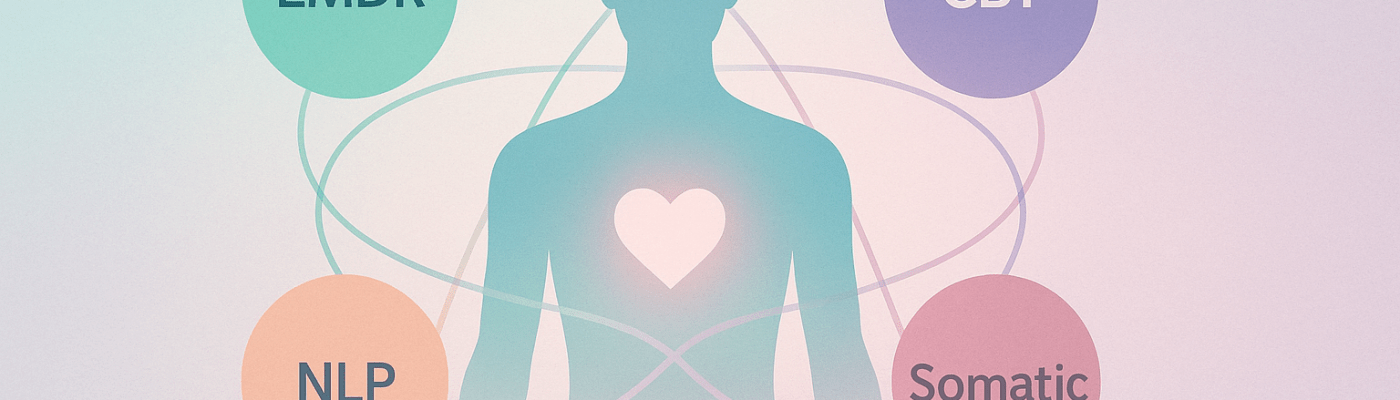
Psychological erosion happens slowly.
It is not one event — it is thousands of small moments of:
- criticism
- dismissal
- emotional neglect
- control
- invalidation
- fear
- walking on eggshells
Over time, the nervous system adapts to survival, and identity becomes secondary.
🧩 Phase 1: Survival Identity (Before Healing)
When someone lives in chronic emotional stress, the brain prioritises safety over authenticity.
This creates a survival self:
- Hyper-vigilant
- Emotionally suppressed
- Highly adaptive
- People-pleasing
- Conflict-avoiding
- Self-silencing
Neurologically:
- The amygdala (threat centre) dominates
- The prefrontal cortex (reason & identity) is suppressed
- The nervous system stays in fight/flight/freeze/fawn
So identity slowly erodes:
You stop being you and start being who the environment requires you to be to stay safe.
🌫 Phase 2: Disorientation (Early Healing)
When safety finally arrives, many survivors feel:
- Lost
- Confused
- Emotionally blank
- Detached
- Disconnected
- Unsure who they are
This is not failure.
This is the nervous system finally coming out of survival mode.
Your brain is recalibrating.
It asks:
Who am I when I don’t have to defend, adapt, or endure?
This can feel unsettling — even scary.
🧠 Phase 3: Memory & Identity Reactivation
As nervous system safety increases, memory networks reopen.
This is why:
- Old memories return
- Emotions resurface
- Past interests reappear
- Former personality traits resurface
Neuropsychology explains this clearly:
When cortisol levels drop, the hippocampus (memory & identity integration center) becomes active again.
This is why it feels like:
Time travel.
You are reconnecting with your pre-trauma identity.
🪞 Phase 4: Identity Reclamation
Now begins the rebuilding.
Survivors start to:
- Reconnect with preferences
- Rediscover desires
- Feel emotional depth again
- Reclaim voice
- Develop boundaries
- Trust intuition
This is when people often say:
“I’m becoming myself again.”
Psychologically, this is:
Identity reintegration.
You are stitching your fragmented self back together.
🌱 Phase 5: Identity Expansion (Post-Trauma Growth)
This is the most powerful stage.
Here, you don’t just return to who you were.
You become:
- More self-aware
- Emotionally intelligent
- Boundaried
- Grounded
- Compassionate
- Conscious
This is known in psychology as:
Post-traumatic growth
You are not just healed —
you are expanded.
🧠 Why You Feel Like a Time Traveller
Because your nervous system is reopening identity layers that were frozen in time.
You are:
- Reconnecting with former versions of yourself
- Reclaiming lost traits
- Remembering who you were before survival took over
This is not regression.
This is integration.
You are retrieving parts of yourself that were stored away for protection.
🌿 What Identity Rebuilding Looks Like Day to Day
- Sudden clarity
- Emotional release
- Insight bursts
- Memory flashes
- Deep reflection
- Boundary strengthening
- Desire for peace
- Reclaiming autonomy
This is healing in motion.
🕊 In Simple Terms:
Psychological erosion stole your sense of self.
Healing is giving it back.
 Linda C J Turner | Trauma Therapist & Emotional Healing Specialist