(Education = Prevention + Protection)
1) Warning Signs of Grooming Behavior
Grooming is a gradual, strategic process designed to create trust, emotional dependence, secrecy, and compliance.
Early Behavioral Signs:
- Excessive attention or flattery
- Special treatment / favoritism
- “You’re so mature for your age”
- Private messaging, private meetings
- Gradual boundary testing
- Subtle sexual jokes or comments
- Gifts, money, favors, or emotional rescuing
- Creating emotional dependence
- Encouraging secrecy: “Don’t tell anyone — they wouldn’t understand”
Later Stage Signs:
- Isolating the victim from others
- Undermining parents, friends, or partners
- Increasing physical or emotional intimacy
- Manipulating guilt: “After all I’ve done for you…”
- Threats, emotional blackmail, or fear induction
Grooming always moves slowly, deliberately, and invisibly.
2) Psychological Profiles of Sexual Predators
There is no single type, but several consistent psychological patterns appear.
Core Traits:
- High manipulation skills
- Emotional detachment
- Low empathy for victims
- Strong need for control
- Cognitive distortions (“They wanted it” / “I’m helping them”)
- Compartmentalization
- Ability to appear charming, trustworthy, safe
Common Psychological Types:
1. The Groomer
- Highly patient
- Emotionally strategic
- Builds trust first
- Rarely uses force
- Relies on emotional manipulation
2. The Opportunist
- Exploits access
- Low impulse control
- Acts when opportunity arises
3. The Power-Seeker
- Motivated by dominance
- Uses intimidation
- Enjoys control more than sexuality
4. The Emotionally Arrested
- Psychologically stuck in adolescence
- Seeks emotional mirroring rather than adult intimacy
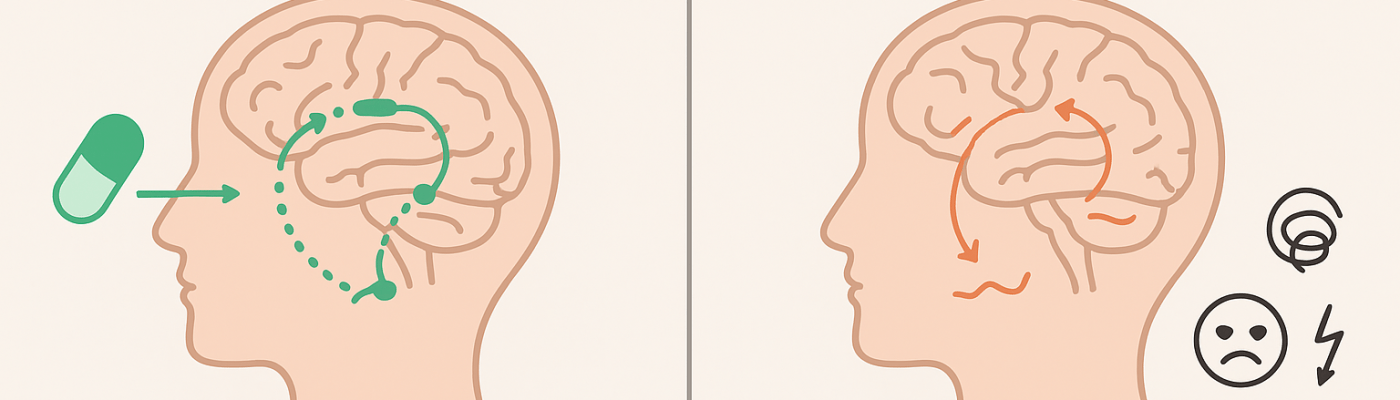
3) How Grooming Works Neurologically
Grooming hijacks normal human bonding systems.
Step 1: Dopamine Activation (Reward & Pleasure)
- Attention, praise, gifts → dopamine release
- Creates emotional reward + anticipation
Step 2: Oxytocin Activation (Bonding & Trust)
- Emotional closeness → oxytocin release
- Produces feelings of safety, attachment, loyalty
Step 3: Cortisol Manipulation (Fear & Compliance)
- Guilt, fear, secrecy → cortisol spikes
- Creates stress bonding and emotional dependence
This forms a trauma bond:
Pleasure + fear + attachment → powerful emotional captivity
This is why victims don’t just walk away.
4) How Victims Are Manipulated
Predators use psychological influence strategies, not force.
Common Manipulation Tactics:
- Love-bombing: Overwhelming affection
- Mirroring: Becoming exactly what the victim needs
- Rescuing: Positioning themselves as saviors
- Gaslighting: Making the victim doubt their reality
- Isolation: Undermining other relationships
- Guilt induction: “You’d hurt me if you left”
- Fear conditioning: Threats, emotional withdrawal, punishment
Victims often feel:
- confused
- loyal
- guilty
- emotionally trapped
- responsible for the predator’s feelings
This is coercive control, not consent.
5) How to Recognize Early Red Flags
Emotional Red Flags:
- Rushing emotional intimacy
- Oversharing personal trauma early
- Creating intense emotional closeness quickly
- Framing relationship as “special” or “secret”
- Positioning themselves as the only one who understands you
Behavioral Red Flags:
- Boundary testing
- Ignoring discomfort
- Disrespecting limits
- Sexualized comments early
- Creating dependency
- Isolating behavior
- Subtle control patterns
Psychological Red Flags:
- Lack of empathy
- Blame shifting
- Victim mentality
- Grandiosity
- Entitlement
- Emotional inconsistency
- Hidden double life
Most Important Truth:
Grooming works because the brain is wired for connection.
It is not weakness.
It is human neurobiology being exploited.
Why Intelligent, Empathic, Strong People Are Often Targeted
Predators often target people who are:
- Empathic
- Emotionally intelligent
- Kind
- Helpful
- Loyal
- Compassionate
- Trauma survivors
These traits make people:
deeply human — and neurologically bond-capable
Key Protective Awareness
Healthy relationships develop:
- Slowly
- Transparently
- Consistently
- Without pressure
- Without secrecy
- With emotional safety
Unhealthy ones move:
- Fast
- Intense
- Secretive
- Confusing
- Emotionally destabilizing
 Linda C J Turner | Trauma Therapist & Emotional Healing Specialist