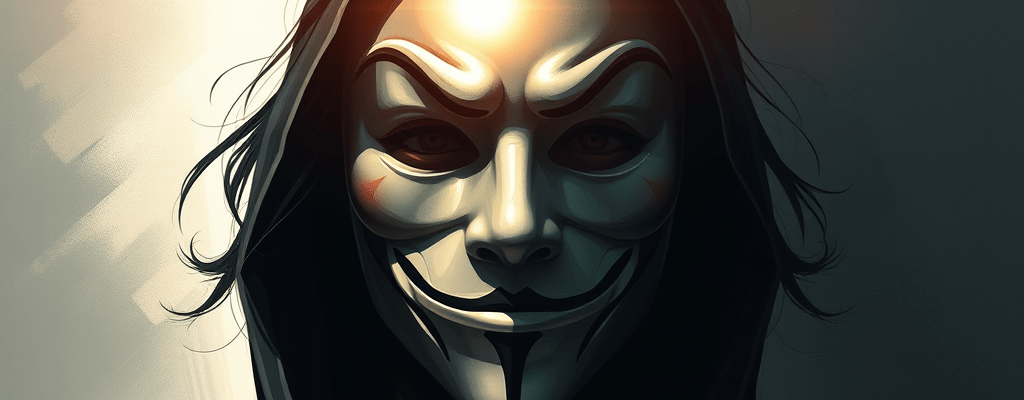
When you suddenly realise who someone really is, your brain goes through a rapid model collapse.
You had built an internal prediction model of them:
- who they are
- what they feel
- what they’re capable of
- how safe they are
Then suddenly — new data violently contradicts that model.
This causes:
⚡ Prediction Error Shock
Your brain says:
“Reality does not match expectation.”
This triggers:
- amygdala activation (threat)
- cortisol release (stress)
- adrenaline spike
- nervous system freeze or collapse
That’s why it can feel:
- dizzy
- sick
- shaky
- numb
- surreal
- disorienting
🧠 Cognitive Dissonance Crash
You’re holding:
“This person cares about me”
and
“This person is capable of harming / deceiving / using me”
Your brain cannot hold both at once, so one has to break.
That breaking moment feels like:
- grief
- betrayal
- disbelief
- heartbreak
- shock
🧠 Nervous System Betrayal Response
When someone you trusted reveals a very different self, your nervous system reacts as if to social threat — which is processed the same as physical danger.
So your body enters:
- fight
- flight
- freeze
- collapse
Not metaphorically — biologically.
🧠 Why It Hurts So Deeply
Because you’re not just losing a person.
You’re losing:
- the story you believed
- the future you imagined
- the safety you felt
- the emotional investment you made
- the version of them you bonded to
So the grief is multi-layered.
🧠 The “How Did I Miss This?” Spiral
This is common — and misplaced.
Your brain is wired to:
- seek connection
- assume coherence
- look for consistency
- trust emotional signals
Manipulative / avoidant / emotionally unavailable people often:
- mirror
- perform emotional attunement
- reveal selectively
- regulate their image
So you didn’t “miss” — you were shown a constructed version.
🧠 Trauma Re-Activation
If you’ve experienced:
- betrayal
- emotional abandonment
- manipulation
- gaslighting
This discovery can re-trigger earlier wounds, making the pain feel outsized and overwhelming.
Not because you’re weak —
but because your nervous system remembers.
🧠 The Moment of Awakening
As brutal as it feels, this moment is also:
a clarity event
A nervous-system truth recognition.
Your system says:
“Something here is not safe.”
That’s not paranoia.
That’s perception coming online.
🧠 What This Means Going Forward
After moments like this, people often:
- become sharper at reading patterns
- develop stronger boundaries
- trust their intuition more
- tolerate less emotional ambiguity
- stop over-explaining others’ behaviour
Not hardened — calibrated.
🧠 Gentle Truth
This experience hurts because you are capable of deep connection.
People who cannot bond deeply don’t feel this kind of pain.
So the depth of the shock is actually a reflection of your emotional capacity — not your naivety.
 Linda C J Turner | Trauma Therapist & Emotional Healing Specialist