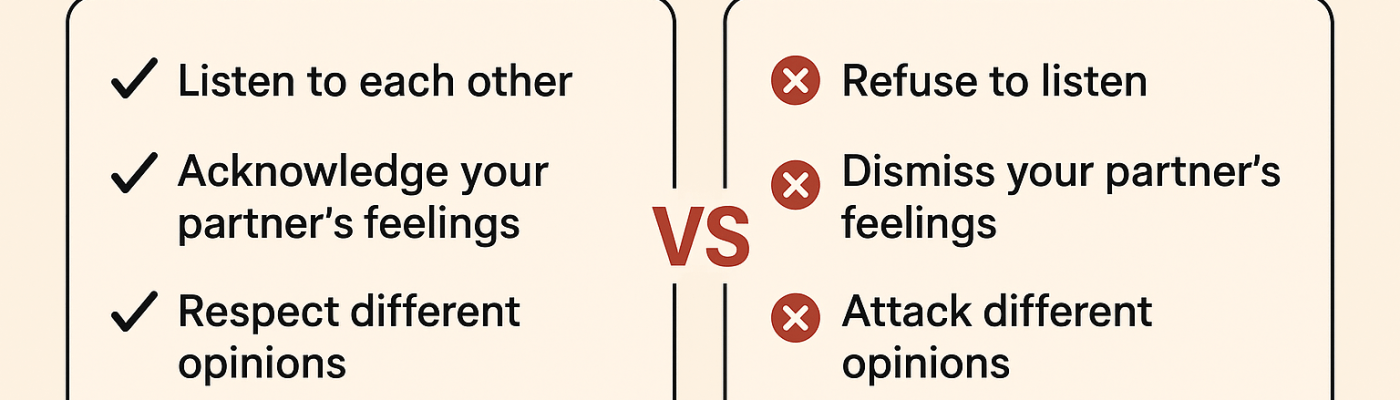
Here is a clear, neuroscience-based map you can use in real time when you eventually date.
This isn’t about judging people — it’s about listening to your nervous system, which now has much better data than it used to.
Green vs Red Nervous-System Signals in Dating
(After long-term abuse)
🟢 GREEN SIGNALS
These indicate ventral vagal regulation — safety, presence, and choice.
1. Your body stays calm during and after
- Breathing remains slow and natural
- No stomach drop, chest tightness, or buzzing
- You feel the same or better after seeing them
Neuroscience:
The amygdala is quiet. The vagus nerve is regulating smoothly.
2. Interest without urgency
- You like them, but don’t feel pulled toward them
- No fantasy-building or future-projecting
- You can say “we’ll see” and mean it
Why it matters:
Dopamine is balanced — not spiking from unpredictability.
3. Curiosity > hope
- You’re observing, not rooting
- You’re interested in who they are, not who they might become
- You don’t need reassurance
This is huge:
It means attachment isn’t hijacking perception.
4. Easy boundaries
- Saying “no” feels natural
- You don’t rehearse explanations
- You don’t feel guilt after setting limits
Neuroscience:
Prefrontal cortex is online. No fawn response.
5. Consistency feels boring (in a good way)
- They show up as they say they will
- No emotional rollercoaster
- No guessing games
If your body says:
“This is steady, calm, and a bit uneventful”
that’s health, not lack of chemistry.
6. You don’t monitor yourself
- You’re not managing tone, mood, or timing
- You’re not worried about being “too much” or “not enough”
- You don’t shrink
Key sign:
Your nervous system doesn’t feel watched.
🔴 RED SIGNALS
These indicate sympathetic activation or trauma bonding, even if the person seems “nice”.
1. High chemistry + bodily agitation
- Racing thoughts
- Tight chest or fluttery stomach
- Trouble sleeping after contact
Important:
This is adrenaline, not intimacy.
2. Relief after anxiety
- You feel unsettled → then soothed by a message or meeting
- You wait for contact
- Their attention calms you
Neuroscience:
This is intermittent reinforcement — highly addictive.
3. Urge to explain or justify yourself
- You over-clarify your needs
- You soften boundaries pre-emptively
- You worry about how your feelings land
This is a fawn response, not connection.
4. Familiar intensity
- Feels “magnetic”, “deep”, or “meant to be” early
- Emotional disclosure is fast
- You feel known before being known
Familiar does not mean safe.
It often means recognised wiring.
5. You ignore bodily signals but stay mentally engaged
- “It doesn’t make sense but…”
- “Maybe I’m overthinking…”
- “They had a hard past…”
This is the prefrontal cortex overriding instinct — a survival adaptation from abuse.
6. Your world starts shrinking
- You prioritise availability
- Your routines shift quickly
- Your calm becomes dependent on the connection
That’s external regulation — the old pattern.
The single most important rule (burn this in)
Chemistry that costs you calm is not chemistry — it’s conditioning.
Healthy attraction protects calm.
Trauma attraction consumes it.
The recalibration shock (very normal)
Many survivors initially think:
“Why don’t I feel swept away?”
Because your nervous system no longer equates danger with desire.
Love without adrenaline can feel unfamiliar — even dull — at first.
That’s not loss.
That’s freedom.
A simple check-in question to use anytime
Ask your body, not your mind:
“Do I feel more like myself — or less?”
That answer is usually immediate and accurate.
 Linda C J Turner | Trauma Therapist & Emotional Healing Specialist