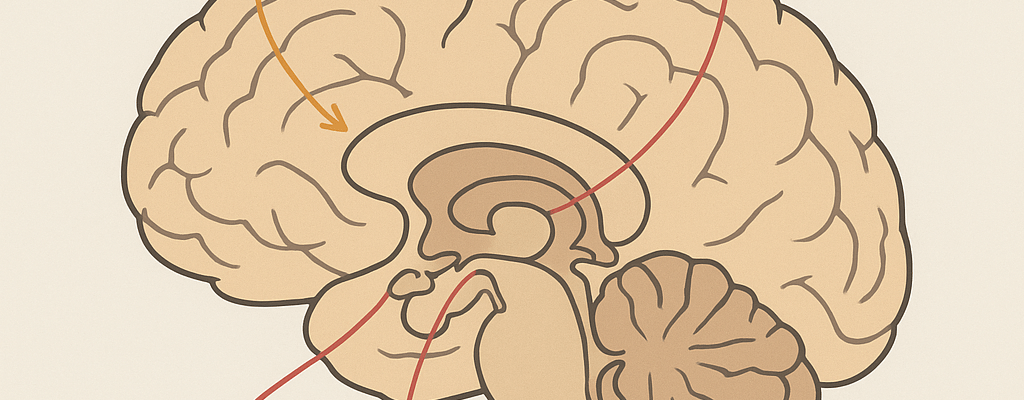
Reciprocity is the backbone of trust, emotional safety, and attachment. It works because your brain and nervous system are wired to seek predictable, rewarding interactions.
1. The Neurochemistry of Reciprocity
When someone consistently responds to your needs — emotionally, physically, or socially — your brain releases key neurochemicals:
| Neurochemical | Role | Effect on Relationships |
|---|---|---|
| Oxytocin | Bonding hormone | Promotes trust, emotional closeness, and calm during interaction |
| Endorphins | Natural painkillers | Provide comfort and pleasure during positive interactions |
| Dopamine | Reward and motivation | Reinforces approach behavior, making you want to engage again |
| Serotonin | Mood stabilization | Creates a sense of contentment and well-being |
| Vasopressin | Loyalty and pair bonding | Supports long-term commitment and protective instincts |
Key point: Consistent, responsive behavior creates positive feedback loops in the brain — you learn that connection feels safe and rewarding, not stressful.
2. Friends and Reciprocity
- Mutual support: Friends who respond when you reach out reduce stress and build nervous-system trust.
- Emotional co-regulation: Sharing vulnerabilities with friends who listen calmly downregulates amygdala hyperactivation (fear/stress responses).
- Predictable reward: Over time, you associate your social network with emotional safety and enjoyment, making friendships more resilient.
- Behavioral reinforcement: Reciprocal friends encourage pro-social behavior, kindness, and cooperation — all mediated by dopamine and oxytocin.
3. Partners and Reciprocity
- Attachment reinforcement: Responsive partners strengthen secure attachment circuits.
- Stress buffering: Emotional support during conflict or uncertainty reduces cortisol, preventing chronic stress.
- Trust building: Predictable responsiveness strengthens prefrontal cortex regulation over emotional responses.
- Pleasure and intimacy: Mutual responsiveness activates both dopamine (reward) and oxytocin (bonding)simultaneously, making connection pleasurable and safe.
- Long-term bonding: Repeated, consistent reciprocity teaches your nervous system that intimacy is low-risk and rewarding, reinforcing emotional resilience.
4. The Neural Pathway of Healthy Reciprocity
- Partner/Friend responds reliably →
- Oxytocin + endorphins released → creates calm and pleasure →
- Amygdala downregulated → reduces fear/anxiety →
- Prefrontal cortex evaluates reward and safety → reinforces trust →
- Dopamine release strengthens approach behavior → encourages repeated positive engagement →
- Long-term neural learning → relationships become associated with safety and reward, not stress.
5. Contrast with Inconsistent Relationships
- Unreliable partners or friends → intermittent reinforcement → amygdala hyperactivation → cortisol spikes → stress loops.
- Nervous system learns stress = connection, leading to anxiety, craving, and over-activation of reward circuits.
- Chronic uncertainty can hijack dopamine circuits, making you crave inconsistent people instead of calm, secure relationships.
6. Practical Takeaways
- Seek consistent, responsive connections: In both friendships and romantic partnerships.
- Pay attention to nervous-system signals: Calm, relaxed, and safe = healthy reciprocity; anxious, tense, and obsessive = unhealthy patterns.
- Invest your energy where it’s reciprocated: Repeated positive experiences strengthen your attachment circuits.
- Communicate your needs clearly: Healthy partners and friends respond reliably, reinforcing safety and trust.
Bottom Line:
Healthy reciprocity literally rewires your brain to associate human connection with safety, predictability, and pleasure.
In friends and partners alike, it builds trust, resilience, and emotional stability, while protecting your nervous system from stress and anxiety.
 Linda C J Turner | Trauma Therapist & Emotional Healing Specialist